Global apparel manufacturing giant Hirdaramani Group has reinforced its leadership position in sustainability by launching the Mihila Concept Store, which directly translates its low-impact factory practices into a consumer retail experience. This strategic pivot into direct-to-consumer sustainability education comes shortly after the company became the first in Sri Lanka to receive Net-Zero Science Based Targets initiative (SBTi) approval in 2024. This approval mandates a concrete plan to reduce absolute Scope 1 and 2 greenhouse gas (GHG) emissions by a massive 54.6 per cent by 2033. The physical store allows consumers to directly engage with the outputs of its sustainable manufacturing base, which already sources a substantial 75 per cent of its energy from renewable sources - a rate significantly higher than the industry average.
Mitigating carbon tariffs with green credentials
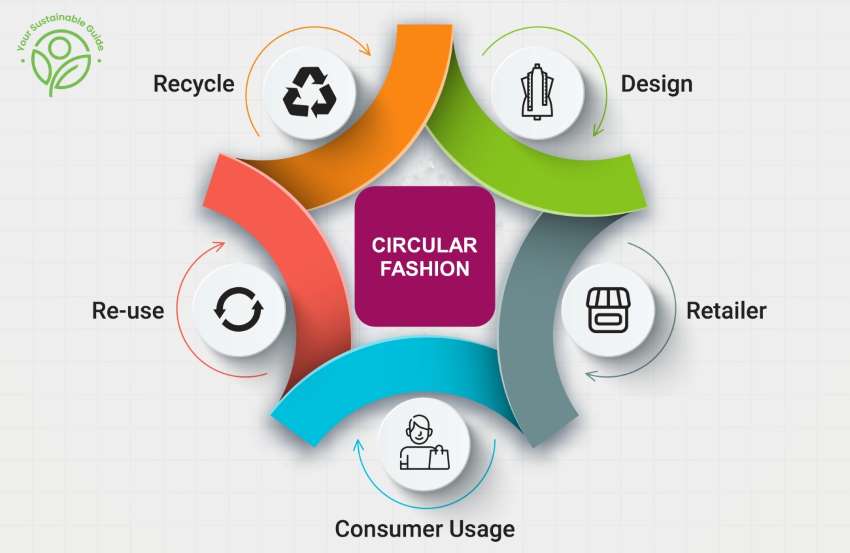
This retail initiative is crucial as the group, which operates across South Asia, Africa, and recently expanded to Egypt in 2025 (a market seeing a 22 per cent surge in garment exports), prepares for the challenges outlined in its upcoming Future First 2.0 Roadmap (2026–2030). Chief among these challenges is mitigating the growing risks of carbon tariffs from major buying markets like the EU. By showcasing its Mihila Tex facility (a case study in minimal-impact, waste-reducing manufacturing) and achieving verifiable certifications like the SBTi, Hirdaramani is securing its global market access and accelerating its shift towards circular textile practices, positioning green credentials as a competitive advantage. Dr. Leonie Vaas, General Manager Group Sustainability, remarks, the concept store makes the measurable reality of reduced impact tangible for the ethical consumer.
A century-old global apparel manufacturer providing end-to-end solutions, from design to delivery, the Hirdaramani Group operates a global footprint spanning Sri Lanka, Bangladesh, Vietnam, Ethiopia, and Egypt. It specializes in apparel (knitted and woven garments), fabric (dyeing and finishing), and e-commerce. Hirdaramani is internationally recognized for its deep commitment to sustainability, holding over 11 LEED certifications for its green factories. Its core focus is the ‘Continuous Progression, Together’ purpose, centered on reducing environmental impact (targeting a 54.6 per cent reduction in Scope 1 and 2 GHG emissions by 2033) and enhancing social well-being across its multi-country operations.