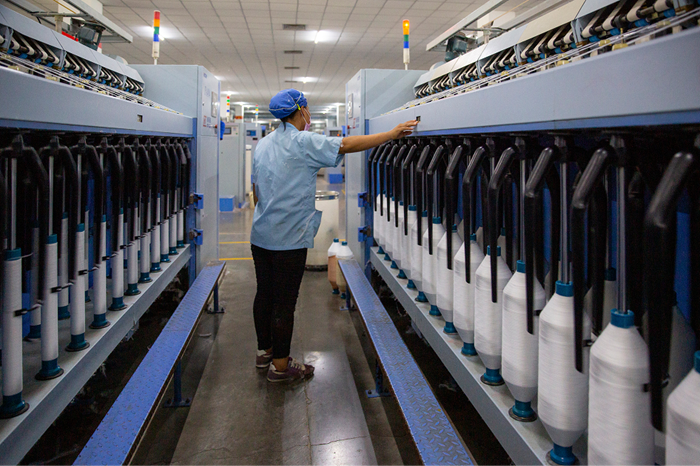
The global apparel sourcing business is redefining the metrics of success beyond traditional labor costs. Led by geopolitical risks, consumer demands for sustainability, and the need for greater agility, brands are adopting multi-regional strategies and looking to a new generation of sourcing partners. The old paradigm of ‘Europe is premium, Asia is cheap’ is giving way to a risk-averse, and value-driven approach.
New metrics for a new era
The most successful brands are no longer just comparing price per unit. They are evaluating the total landed efficiency of a supply chain. This holistic approach considers factors like lead times, shipping costs, inventory risk, and supply chain transparency. A 2024 report by the US Fashion Industry Association (USFIA) highlights this trend, revealing that a record high percentage of companies are sourcing from over 10 countries to reduce growing market risks.
Proximity and flexibility: The rise of nearshoring is a direct response to the need for speed and adaptability. Countries closer to major markets like Portugal is to Europe offer shorter lead times and lower Minimum Order Quantities (MOQs), enabling brands to quickly test new trends with capsule collections and react to real-time consumer demand.
Sustainability as a differentiator: Sustainability is no longer a marketing buzzword but a core operational metric. A 2024 USFIA study found that over 60 per cent of surveyed companies plan to invest more in sourcing sustainable and recycled textile materials. Manufacturers in countries like Portugal are building sustainability into their processes, from using solar-powered facilities to sourcing local yarns, offering a genuine value proposition beyond a simple eco-label.
Technological integration: The apparel supply chain is becoming increasingly digital. Technology, from AI-powered forecasting to blockchain for transparency, is a critical new metric. These tools allow brands to better predict demand, optimize supplier selection, and provide the end-to-end traceability consumers are now demanding.
Beyond Portugal, emerging sourcing hubs
While Portugal is a big player, it's not the only emerging destination. Brands are actively diversifying their networks, creating a more resilient and globally distributed sourcing map.
Turkey, the bridge between continents
Turkey has long been a critical supplier for Europe, leveraging its unique geographical location. With a well-established and vertically integrated textile industry, Turkey offers quick turnaround times and access to a variety of raw materials. Brands like Asos have increased sourcing from Turkey for their fast-fashion lines, using its proximity to avoid the long lead times and shipping costs associated with Asia.
Mexico and the CAFTA-DR region
For US brands, Mexico and the countries in the Dominican Republic-Central American Free Trade Agreement (CAFTA-DR) are becoming significant nearshoring partners. A USFIA study shows a noticeable increase in sourcing from Mexico and CAFTA-DR members. This is driven by the desire for shorter lead times, lower transportation costs, and reduced geopolitical risk. However, a key challenge remains a lack of sufficient access to textile raw materials in the region.
India, the rising powerhouse
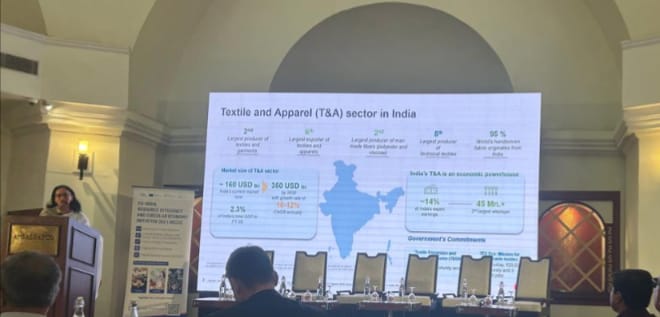
India is rapidly emerging as a leading apparel sourcing destination. The 2024 USFIA Benchmarking Study found that for the first time since 2014, more US fashion companies reported sourcing from India than from Bangladesh. Nearly 60 per cent of executives surveyed plan to expand sourcing from India over the next two years, more than any other Asian country. India's appeal is pushed by its local textile manufacturing capabilities, which reduce its dependence on imported components and offer a stable, cost-effective supply chain.
The future of apparel sourcing
The shift isn't a replacement of Asia but a diversification. China, Vietnam, and Bangladesh remain essential for their scale and cost-effectiveness. However, the modern sourcing strategy is about creating a balanced portfolio of suppliers. The smartest brands are no longer picking one region over another but are building multi-region strategies to balance cost, agility, and risk. This great migration is about building a supply chain that is not just efficient, but also resilient, transparent, and aligned with the values of the modern consumer.