


FW
Huntsman may sell Singapore-based Textile Effects division
Huntsman is thinking of selling its Textile Effects division. Sale of the Singapore-based division will generate close to $100 million of adjusted ebitda in 2021, recovering much of what was lost due to Covid. While the division’s value-added portfolio of sustainable products is consistent with Huntsman’s strategic direction, the company feels an external party may recognize the value of these assets and be a better owner for them.
Huntsman Textile Effects is the leading global provider of high-quality dyes, chemicals and digital inks to the textile and related industries. Its wash fast disperse dye is designed to meet all major requirements for high performance sportswear and athleisure wear and leads to savings of water, energy and costs for mills. This dye is not sensitive to reduction.
This leads to higher reproducibility, right first-time results and operational excellence. With cutting-edge disperse dye technology at its heart, the dye has been developed by Huntsman Textile Effects to provide the leading solution for meeting the industry’s wash fastness requirements. It offers an attractive shade and a high build-up for deep blues, which stay vibrant, and raises the benchmark of wash fastness in the industry, helping mills overcome the challenges of dyeing polyester and its blends, while achieving production efficiency and sustainability.
With Adidas launching NFTs, top sportswear giants tap metaverse
 As a part of its venture into the metaverse, German sportswear giant Adidas plans to release its first non-fungible tokens that will give eager buyers an opportunity to access Adidas Originals experiences and products. Buyers will get access to all the new products of the brand’s collection featuring virtual wearables for blockchain-based gaming world The Sandbox and other platforms, plus physical products to match.
Opportunities to build new partnerships
NFTs will enable holders to engage with the adidas brand. They will help the brand shape the products and experiences that Adidas launches in the metaverse in the future. Also, they will allow it to build an online community of brand enthusiasts including sportswear entities and luxury goods purveyors into the metaverse. As per Adidas, the newly-announced NFTs will be priced at 0.2 Ether (approximately $800). They will offer new creative opportunities to the company to build new partnerships besides helping it engage through digital tools, says Scott Zalaznik, Chief Digital Officer, adidas.
Other sportswear giants venturing into metaverse
Close rival Nike also launched its latest endeavor in metaverse. The brand’s acquisition follows from the Beaverton, Oregon-based sportswear titan’s filing of trade applications in the US and beyond for the use of some of its most famous trademarks on various virtual goods/services. Converse, a footwear company owned by Nike has also filed a number of trade applications for its word mark, its circular Chuck Taylor All Star logo, and its arrow and star logo for use on the very same types of goods and services as Nike.
Baltimore-based sportswear company Under Armor has filed a trademark application for registration for a logo associated with affiliated NBA star Steph Curry on December 10 for use on ‘Downloadable virtual goods.’ Similarly, sustainable sneaker company Allbirds filed an intent-to-use application for the registration for its word mark for use on “Downloadable virtual goods” and “non-downloadable virtual footwear.
Recent Global Industry Analysts reports say, the global market for social gaming is projected to reach nearly $40 billion in value by 2026. Meanwhile, others expect the market to grow to $1 trillion with brands benefitting from the rise of new revenue streams for virtual goods and services.
Festivals driven Indian ethnic wear market to touch $30 bn by 2025: Study
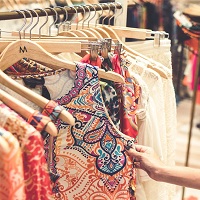 Festivals are an intrinsic part of Indian culture, are known to inspire the clothing choices of Indian consumers. Indians usually prefer to wear ethnic outfits during festivals. As per a Textile Value Chain report, these garments make individuals feel beautiful and stylish. They also inspire respect for old traditions and allow them to express love, respect and admiration for one other.
Evolution of comfortable ethic wear Festivals also play an important role in the evolution of fashion trends. Most fashion brands launch new collections during festivals as this is the time when most Indians dress in latest styles. Festivals like Baisakhi, Durga Puja, Diwali, Pongal, Eid among others offer consumers an opportunity to try new styles and trends. They allow them to experiment with their clothing choices.
Hence, the demand for ethnic clothes rises dramatically during festivals. This is a boom time for designers who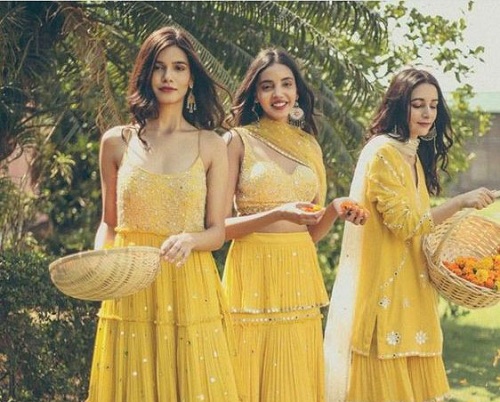 can experiment with new colors, jewelry, and ethnic options during festiviies. However, over the last few years, consumers have moved away from traditional outfits and opting for comfortable ethnic attire such as salwar kameez, kurtas, palazzos, dhoti pants, and sharara suits. Most of these outfits are available in-store and on online portals.
Festivals are a time when fashion designers can showcase their creativity through their collections. Most designers emphasize on making fashionable and comfortable clothes during this time. Their collections are launched in either fashion shows, exhibitions or shops set up during the festival season. Brands and designers also hold small events to promote latest collections in the weeks leading up to Diwali and Durga Puja. They introduce unique discount schemes and promotion offers to boost revenue. Festive fashion is thus an important revenue source for Indian designers. It not only reshapes customers’ purchasing patterns but also their buying strategies and design concepts. .
An opportunity to invest in the market
Customers also look at festivals as an opportunity to invest in the booming textile market. This leads to higher sales for the fashion industry during this period. Internet also plays a significant in influencing consumers’ buying patterns during festivals and drives them to make more purchases during this time, driving the growth of the ethnic wear market. Indian Fashion Market’s June 2020 report forecasts, the ethnic wear market to grow by 7.8 per cent, to reach $30 billion in FY 2025 from $20.6 billion in FY 2020.
Shein’s fast fashion model continues to grow despite criticism from experts
 Bypassing retailers, thousands of Chinese clothing manufacturers have been selling their products online to international consumers. As a report by the Rest of World, a non-profit tech-focused journalism outlet based in New York shows, Chinese apparel makers have evolved to cater to the desires of internet-native consumers. One of the most successful online retailers to have transformed its consumers’ consumption habits into a process is Shein, known as the world’s largest fashion companies.
Founded in 2012 under the name SheInside, Shein began operations by selling wedding dresses abroad from its first headquarters in the Chinese city of Nanjing. The company eventually expanded to offer apparels for women, men and children, as well as everything from home goods to pet supplies. However, its core-business remains selling clothes for women in their teens and early 20s. The company’s clothes are mainly designed to be exported to overseas customers. According to Bloomberg, in 2020, Shein’s sales jumped 250 per cent from the previous year to reach $10billion.
Growth also brings controversies along
Shein’s fast growth also brought with it a series of controversies including accusations of theft against the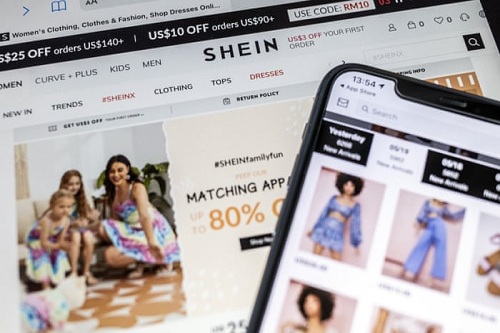 company by numerous designers. It was also denounced for selling culturally or historically offensive products, such as the Swastika necklaces. The company churns out thousands of items simultaneously through its manufacturing partners on the ground in China,. Between July and December 2021, it added anywhere between 2,000 and 10,000 individual styles to its app each day, according to data collected in the course of Rest of World’s investigations.
After watching the company’s rapid rise, major Chinese tech giants and newer startups are now racing to imitate it. The competition includes ByteDance and Alibaba, which are both working on e-commerce platforms targeting the same international demographic as Shein. Then there are brands like Cider, a Hong Kong-based e-commerce clothing brand backed by the Silicon Valley venture capital firm Andreessen Horowitz.
Exploitation of garment workers
Shein doesn’t chase catwalk trends – rather, it often knocks off items seen on TikTok and Instagram, where hype cycles move significantly faster. It launches around 100 products in as little as 10 days. Thus pressure to produce clothes more rapidly ends up falling on Chinese garment workers, who sew products for Shein during long shifts in poorly regulated workshops, according to a report by the Chinese media site Sixth Tone.
However, the company refutes all these allegations, it says, it takes all supply chain matters seriously and is fully committed to upholding high labor standards. The company’s software-driven model allows it to remain at arm’s length from the labor force actually making the products on its platform. It can also avoid directly managing inventory for almost any of the products it sells, minimising the amount of goods sitting unbought in warehouses.
In August, Shein’s website had 150 million visitors, 40 per cent of whom came via search, according to Similarweb, compared with 4 per cent of Zara’s. On social media, the company has partnered with countless micro-celebrities, fashion bloggers and reality show contestants, Before Shein’s app was banned by the Indian government last year, the company was at one point reporteldy working with about 2,000 influencers in that country alone.
Shein has become a poster child for the energy-intensive fast-fashion sector. Though the company has been criticized for its operating model, many of its rivals are watching are following suit. Its fast-fashion model keeps ticking up in speed and volume as consumers appear to adopt and discard new styles at an alarming rate and speed.
New schemes, divarication, FTAs keys to boost India’s apparel exports: RBI Report
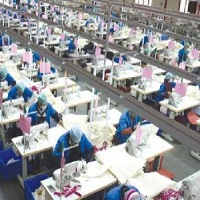 A major component of its export basket, India’s apparel exports have stagnated in recent years due to increasing competition from Bangladesh and Vietnam. On the other hand, the rise of preferential tariff treatments have contributed to the rapid growth in apparel exports from these developing countries.
As per a RBI Report published in December 2021, the Indian garment industry is less integrated due to the costs associated with production logistics and time required for exporting and importing of goods. Another reason for the industry’s low integration is the large size of the domestic market which leads to the slowing of its garment exports.
EU’s share in apparel exports declines
Most of India’s apparel exports are directed to the EU, US, UAE followed by Saudi Arabia and Canada. The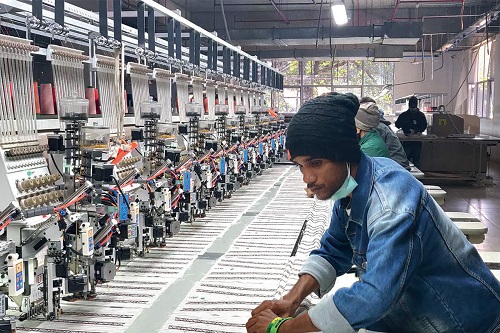 European Union is the largest importer of Indian apparels with exports to the region increasing from 32 per cent in 2000-01 to 38 per cent in 2018-19. Within this region, six major economies, viz, UK, Germany, Spain, France, Netherlands and Italy are the largest markets for Indian apparels. The share of EU in India’s apparel exports reached a peak of 49.5 in 2008-09. However, since then, the share has been on a decline and fell to 38.4 per cent in 2018-19. In fact, for the last few years, India’s exports to the EU have stagnated at around $6 billion.
Preferential trade agreements for greater access
Bilateral and regional trade agreements have helped key exporters to increase their trade over the last decade. One such prominent trade agreement is the GSP which allows EU importers to claim full tariff drawback on their imports from Bangladesh. On average, apparel products in the EU are taxed at 12.5 per cent, which Bangladesh has to pay zero taxes due to the GSP. This offers Bangladesh greater market access in the EU and makes it the largest exporter to EU.
Vietnam also benefits from the preferential tariff treatment in case of apparel exports. The Free Trade Agreements signed by the countries are proving to be a major growth driver for the industry. Its bilateral trade agreement with the US allows it export products on reduced tariffs of only 3 per cent.
India, on the other hand does not have any free trade agreements with its major export destinations; the EU and the US. This proves to be a major hindrance in its growth of apparel exports.
Diversify into other fibers
Another reason for India’s lag in apparel exports is its heavy reliance on cotton exports. The global apparel consumption has well-diversified across other fibers while India continues to focus on cotton garments. It needs to build capacities in other fibers too. This will allow India to establish itself in other segments like wearable electronics and embedded sensor apparels.
Address tax issues
To boost apparel exports, India also needs to address issues related to credit availability and input tax credit and tax refunds under Goods & Services Tax structure It needs to introduce more schemes like the Scheme for Rebate of State and Central Taxes and Levies on Export of Garments and Made-ups (RoSCTL), introduced in March 2019 by the Ministry of Textiles to rebate embedded state and central taxes and levies on garments and made-ups to enhance competitiveness of Indian apparel exports.
Hyosung A/W ’22 Textile Trends: Sustainability and performance to dominate
 Year 2022 is expected to bring along many new apparel trends. These will help brands and retailers offer innovative products to customers. Hyosung’s newly established Fashion Design Center highlights new Autumn/Winter 2022-23 textile trends that are likely to dominate collections of intimate and swimwear brands in the latter part of 2022.
Big City Wanderers
As per a Knitting Industry report, the first trend is:‘Big City Wanderers’. The trend will incorporate refined apparels for all seasons and categories. Apparels will be versatile and adaptable to make customers look smarter. The trend will also include trans-seasonal basic apparels whose demand has increased due to the ongoing lifestyle shifts. Other apparels gaining importance are those having classic textures such as rib, waffle, or crepe jerseys. Knitted with functional yarns, these apparels have evolved into must-have essentials due to their versatility.
Multi-functional apparels
Multi-functional apparels are gaining importance as consumers expect their clothes to have multiple uses. They prefer clothes made with functional fabrics and adapt to changing environment.
High performance essentials
With the launch of high functional fabrics and a growing need of basic items, there is demand for high-performance essentials amongst consumers. They are looking for core items that adapt to changing temperature and incorporate various cooling and warming techniques. They also expect apparels to be comfortable and offer more stretch. They expect clothes to withstand all environmental changes, be lighter, durable and protect them from harsh climatic changes.
Softer fabrics
The emerging trend is of apparels made from soft sensuous fabrics. These fabrics offer physical and emotional comfort and sooth anxious consumers with their smooth textures. They make them feel comfortable and secure with their smooth textures. They include pile fabric, a winter essential that will be upgraded with soft-touch and eco-friendly fabrics and decorative textiles.
Sustainability and performance
Sustainability, versatility, and performance along with interesting textures will be the key textile drivers for next autumn/winter, says Lewis Hong, Team Manager Hyosung Fashion Design Center. The company offers a broad range of options across elastane, nylon and polyester portfolio available to meet these forecasted textile trends.
The range of GRS-certified, 100 per cent recycled creora regen spandex, Mipan regen nylon and regen polyester incorporate performance properties. Its creora regen fresh is sustainable and comes with anti-odor properties. The Mipan regen aqua-X nylon and regen Askin polyester offers a cooling performance.
A comprehensive fiber manufacturer, Hyosung offers world-class products. Its creora elastane is the world’s largest elastane brand and supplies the broadest range of stretch fiber offerings. The sustainable fiber solutions provided by Mipan nylon and specialty polyester are a perfect answer to today’s textile needs.
Focus on price and compliance issues to sustain Bangladesh RMG development
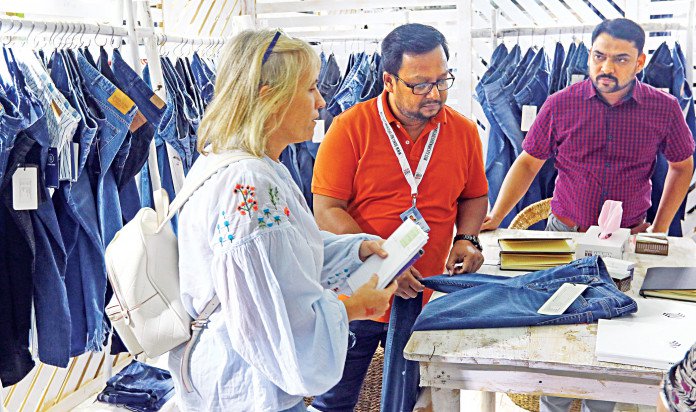
It’s almost the end of 2021. Yet; Bangladesh RMG manufacturers are still trapped in the uncertainties of the COVID-19 pandemic. With new variants emerging every day, the pandemic continues to create chaos in the main apparel markets: Europe and the US. New lockdowns in some countries are threatening the amount and types of clothing being purchased from manufacturers. Some RMG manufacturers are stepping into the New Year with a sense of dread that the progress they achieved in the second half of 2021 might again get derailed due to new COVID-variants.
Open discussions on price issues
Manufacturers need to keep a close eye on the pandemic development in the main markets, says a Daily Star report. They need to follow local news outlets in the EU, US and beyond. Manufacturers also need to have open transparent discussion with customers on issues related to price rise. They need to consider whether a cultural shift is required in terms of what end consumers pay for clothing.
The third issue that manufacturers need to pay attention is: regulations. They need to conform to certain standards and regulations regarding the environment and social issues. Though this may increase regulatory costs for suppliers, they must accept the new regulatory environment to survive.
More domestic and international collaborations
Manufacturers also need to pay attention to two more issues that may become increasingly important over the years. They need to emphasize on more collaborations with industry leaders in textile recycling, traceability, inward investment and the promotion of the brand Bangladesh. These will help them come to terms with the new dynamics of sustainability, innovation and technology that are shaping the current Bangladesh garment industry. Moreover there is a need to focus on international collaborations to take the industry forward.
Unfair purchasing practices are also threatening to derail industry growth. The industry needs to collaborate with buyers and sellers to resolve issues and discuss an equitable way of doing business. This can also help manufacturers make adversarial business relations around prices and purchases a thing of the past.
With customers back to stores, apparel sourcing sees an uptick
The buying season for spring/summer 2022 has been good for most retailers and brands across the world and in India, suggests and Apparel Resource report. While comfort is still a dominant requirement, fashion is making a comeback with a return to bold going-out clothes in bright colors, sparkly sequins, dramatic trains and edging fringes. Silhouettes range from short shirts and low waist to baggy and oversized styles. Another key trend being followed is clothes inspired by the late ’90s and early 2000s. The first category to make its presence felt, post the heavy dose of athleisure wear, is denim. The same is true for buyers working in the international market and exporters working in the category are overbooked.
Being restricted to home for almost two years, a lot of social gatherings including weddings are now happening and orders for the same are also visible. There has been a significant uptake in occasion wear and bridal wear, besides work wear. For example, Orange Sourcing with US and European client base has seen good uptake in occasionwear and bridalwear, besides workwear. As per Rakesh Saigal, CEO, dressing gown imports by the US valued at $284.93 million in the first half of 2021 rose 7.30 per cent higher than what it was in first half of 2019.
The women’s wear segment in particular has seen a huge surge in demand. Bangladesh still takes away the lion’s share due to price competitiveness and good quality especially on bottoms. India’s strength lies in fashion for women’s wear. Though a lot of focus is now shifting to manmade fabrics, the demand for cotton products has continued to grow.
Bangladesh fixes knitwear units wastage rates, manufacturers not happy
Bangladesh has set the maximum wastage rates for knitwear factories. These will be 27 per cent for basic items, 30 per cent for specialized items and four per cent for sweaters and socks. This is important for knitwear manufacturers because if production wastage rate of an export-oriented readymade garment manufacturer, who enjoys a duty-free facility for raw material imports, is less than the prescribed rate, they sell the excess raw materials in the open market.
This eventually damages the business of local companies that produce raw materials. However, the knitwear industry is not happy with the new rates. As Mohammad Hatem, Executive President of the Bangladesh Knitwear Manufacturers and Exporters Association (BKMEA) points out the rate is not acceptable. He says it will hamper exports growth and they want at least 35 per cent wastage rate. He also said the new wastage rate is by no means reasonable and will not solve problems rather accelerate them.
On the other hand, if the actual wastage rate is higher than the rate set, duty, supplementary duty and VAT is imposed on the extra wastages. Apart from the basic items, separate categories have been created for the first time and the wastage rate is set at four per cent for sweaters, socks and similar item productions, and 30 per cent for special items including rompers, gowns, and hoodies.
Earlier, the maximum wastage rate was revised from 16 per cent to 27 per cent for the production of basic knit items — T-shirts, polo shirts, trousers, shorts, skirts, pajamas.
US junior wear imports up 32 per cent from January to October
During the first 10 months of 2021, import of children’s wear into the US grew 32 per cent. Sourcing of children’s clothing is back on track this year after COVID woes. As per OTEXA figures, China is still the largest children’s wear exporter to the US even as the country has been facing serious backlash over unethical business practices of late. China’s exports to the US from January 2021 to October 2021 grew by 41 per cent. Vietnam’s exports of children’s clothing to the US in this period grew by 32 per cent while shipments from India grew by 48 per cent. Bangladesh increased children’s wear shipments to the US by 22 per cent. China, Vietnam and India collectively contributed 55 per cent to the overall US children’s wear import value in January 2021 to October 2021 compared to 52 per cent in the same period of the previous year.
Meanwhile US imports of denim increased 28 per cent in October 2021 compared to a year earlier. Imports from Mexico grew 43 per cent. Shipments from countries of the Central American Free Trade Agreement rose 29 per cent, led by a 30 per cent from Nicaragua and a 22 per cent gain from Guatemala.











