India’s synthetic textile industry is confronting a sudden and destabilizing price shock that is reverberating across its vast manufacturing ecosystem. In major textile clusters such as Surat and Ludhiana, where polyester-based fabrics dominate production lines, the past two weeks have been marked by uncertainty, stalled procurement, and mounting financial pressure. What began as a sharp rise in polyester melt prices has quickly evolved into a structural disruption affecting spinning mills, weaving units, and garment exporters across the country.
The crisis has been triggered by a steep and unusually rapid escalation in the cost of polyester melt, the molten polymer that forms the base input for producing synthetic fibres and yarns. Polyester melt is the fundamental building block for polyester staple fibre, partially oriented yarn, and a wide range of apparel and technical textiles. When its price shifts, the entire textile value chain from petrochemical processors to garment manufacturers absorbs the impact. Since the end of February 2026, polyester melt prices in India have surged by more than Rs 30 per kg within days. For an industry that traditionally operates on margins of barely three to five per cent, such an abrupt escalation represents far more than a routine fluctuation. It threatens to destabilize production economics across multiple stages of the textile supply chain.
Price rise at the heart of the synthetic chain
The rapid escalation in polyester melt prices is closely tied to movements in the cost of its key chemical inputs. Polyester is produced through the polymerization of two primary petrochemical derivatives: Purified Terephthalic Acid (PTA) and Monoethylene Glycol (MEG). Any upward movement in these feedstocks is quickly transmitted into the price of polyester melt and subsequently into fibres and yarns. Over an 11-day period, the market witnessed a steep rise across several of these inputs, illustrating the speed with which cost pressures can cascade through the industry.
Table: The 11-day price escalation
|
Material Component |
Price (Feb 25) |
Price (Mar 11) |
Absolute Change |
% Variance |
|
Polyester Melt |
Rs 89.25 /kg |
Rs 120.25 /kg |
+ Rs 31.00 |
34.70% |
|
PTA (Delivered) |
Rs 78.40 /kg |
Rs 86.90 /kg |
+ Rs 8.50 |
10.80% |
|
MEG (Spot) |
Rs 52.10 /kg |
Rs 61.40 /kg |
+ Rs 9.30 |
17.80% |
|
PSF (1.2 Denier) |
Rs 102.25 /kg |
Rs 118.50 /kg |
+ Rs 16.25 |
15.90% |
Energy markets and shipping risks behind the disruption
The rise in feedstock prices cannot be separated from broader developments in global energy and trade markets. The polyester value chain is deeply intertwined with the petroleum sector because its core inputs originate from petrochemical derivatives produced from crude oil. Over the past month, global crude prices have trended upward, with Brent crude approaching the $95 per barrel mark amid renewed geopolitical tensions in the Middle East. Rising crude prices directly affect the cost of petrochemical intermediates such as naphtha, a key feedstock used in the production of PTA and MEG. As refinery and petrochemical producers adjust their pricing to reflect higher raw material costs, the impact inevitably reaches downstream industries such as textiles.
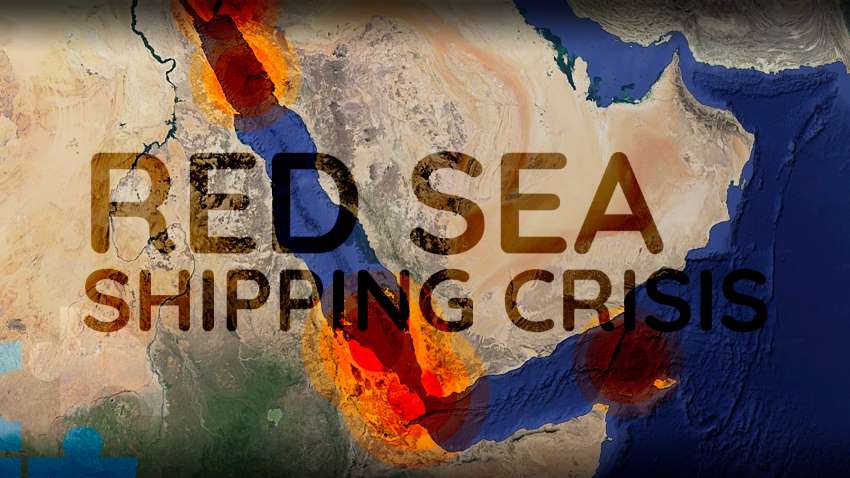
Shipping dynamics have added another layer of pressure. The Gulf region remains a critical trade corridor for petrochemical imports into India. Escalating security concerns around the Strait of Hormuz have prompted marine insurers to raise premiums for vessels transporting chemical cargo. These higher insurance costs effectively function as an additional tax on imported feedstocks, increasing the landed cost of MEG and related chemicals by an estimated 15 to 20 per cent.
Domestic supply disruptions have further intensified the situation. Several major petrochemical facilities in India underwent unscheduled maintenance in early March, tightening spot availability of essential inputs at precisely the moment when international prices were already rising. With domestic supplies constrained, buyers were forced to compete aggressively for limited inventories in the spot market, accelerating the pace of price increases across the synthetic fibre chain.
Ripple effect textile value chain
The escalation in polyester melt prices has triggered a chain reaction throughout India’s textile ecosystem. From fibre producers and spinning mills to weaving units and garment exporters, each stage of the value chain is experiencing its own form of financial strain. Polyester fibre producers were among the first to feel the pressure as feedstock costs climbed rapidly. In response, they adjusted prices for polyester staple fibre and yarns, transferring the cost burden downstream.
Spinning mills, which rely heavily on these fibres, suddenly found themselves facing sharply higher raw material expenses. The impact becomes even more pronounced at the weaving and knitting stages, where yarn costs represent the single largest component of fabric production. When yarn prices rise abruptly, small and medium weaving units often lack the financial capacity to absorb the increase. Many have therefore chosen to limit procurement until the market stabilizes.
Garment manufacturers face a different challenge. Apparel exporters typically operate under contracts negotiated months in advance with international buyers, where prices are fixed long before production begins. When fabric costs rise unexpectedly, manufacturers cannot easily pass on the additional expense to clients. As a result, the sudden increase in synthetic fibre costs directly erodes profit margins across export-oriented apparel businesses.
Competitive pressures in global synthetic apparel markets
India’s synthetic apparel sector is also confronting rising competitive pressure in global markets. Countries such as Bangladesh and Vietnam have developed supply chains that allow them to source polyester chips and yarns from China at relatively stable or subsidized rates. These arrangements provide manufacturers in those countries with a degree of insulation during periods of raw material volatility.
Indian textile producers, by contrast, rely heavily on domestic petrochemical pricing structures. When polyester melt prices surge within the country, Indian-made synthetic garments can quickly become more expensive than those produced in competing markets. Industry estimates suggest that the current cost differential could temporarily raise the price of Indian synthetic apparel exports by between 12 and 15 per cent. In the global fashion industry—where sourcing decisions often hinge on marginal cost differences—such disparities can significantly influence procurement strategies adopted by international retailers.
Crisis in Surat’s weaving sector
The effects of the price shock become particularly visible at the level of individual manufacturing units. In Surat, one of India’s largest hubs for polyester fabric production, many small weaving enterprises are struggling with the sudden escalation in yarn prices.
A mid-sized weaving unit operating forty-eight looms recently experienced its yarn procurement cost increase from Rs 110 per kilogram to Rs 126 within a week. This dramatic shift altered the economics of its operations almost immediately. Orders that were priced before the surge are now being completed at a loss. According to the unit’s management, the current production cycle is generating losses of roughly Rs 8 per meter of fabric when using previously purchased yarn. Procuring fresh yarn at the new market rate would deepen those losses to nearly Rs 15 per meter.
Under these circumstances, the company has chosen to complete existing orders while temporarily suspending new production commitments. This decision reflects a broader pattern across the Surat cluster, where many smaller manufacturers are prioritizing survival and liquidity preservation until raw material prices stabilize.
The broader financial pressure on the textile ecosystem can be observed across different industry segments.
Table: Sector-wise cost impact
|
Industry segment |
Raw material dependency |
Estimated margin impact |
Current status |
|
Spinning Mills |
High (Melt/Chips) |
-130 to -150 bps |
Production cuts (30-40%) |
|
Weaving/Knitting |
High (Yarn) |
-200 to -250 bps |
Widespread partial shutdowns |
|
Garment Export |
Moderate (Fabric) |
-5% to -8% |
Risk of order cancellations |
|
Technical Textiles |
Extreme (High-Tenacity) |
-300 bps |
Contract renegotiations active |
Meanwhile, the sector is confronting another challenge: a slowdown in market transactions. Buyers across the value chain are reluctant to procure large volumes of raw materials at current prices, anticipating that costs may eventually decline. Sellers, however, cannot lower prices without incurring losses because their own feedstock expenses remain elevated. This standoff has created a form of market paralysis, with trading activity slowing and working capital cycles becoming increasingly strained.
The limits of rPET
Some manufacturers have begun exploring recycled polyester fibre, commonly known as rPET, as a possible substitute for virgin polyester inputs. Recycled fibres derived from plastic waste can sometimes offer cost advantages when crude oil prices rise, making them an attractive option during periods of petrochemical volatility. However, the transition toward recycled inputs faces practical constraints.
Supplies of certified recycled polyester remain limited within India, and exporters supplying international markets must comply with strict sustainability certification systems such as the Global Recycled Standard. Obtaining and maintaining these certifications increases operational costs and reduces the immediate financial advantage of switching to recycled fibres. Consequently, while rPET may play a larger role in the long-term evolution of the synthetic textile sector, it cannot fully offset the current supply pressures created by rising virgin polyester prices.
Policy relief and the debate over tax structure
Industry stakeholders are also closely monitoring policy developments that could help alleviate some of the financial pressure. One issue attracting particular attention is the inverted tax structure within the Goods and Services Tax regime. Under the current system, certain raw materials used in textile production are taxed at higher rates than finished garments. This discrepancy leads to the accumulation of input tax credits throughout the manufacturing chain, effectively locking up significant amounts of working capital.
Estimates suggest that correcting this imbalance could release approximately Rs 3,500 crore in blocked credits. While such reforms would not directly reduce polyester feedstock prices, they could provide much-needed liquidity for manufacturers struggling to manage rising raw material costs and declining transaction volumes.
An uncertain quarter
Looking ahead, the immediate outlook for India’s synthetic textile sector remains uncertain. Much will depend on the trajectory of global crude oil prices, the stability of maritime shipping routes in the Gulf region, and the speed at which domestic petrochemical plants return to full operational capacity. Until these factors stabilize, volatility is likely to remain a defining characteristic of the polyester market.
Analysts anticipate that production volumes in major textile clusters such as Surat and Ludhiana could decline by between 10 and 15 per cent over the next two months as manufacturers adopt a cautious wait-and-watch approach. For a sector that forms the backbone of India’s textile exports and supports millions of jobs, the recent surge in polyester melt prices highlights a deeper structural vulnerability: the country’s synthetic textile industry remains closely tied to the fluctuations of global petrochemical markets. As long as those upstream forces remain volatile, their ripple effects will continue to shape the fortunes of India’s textile producers.