


FW
Iran revives garment exports
Iran’s garment exports are on the rise. Iraq, Azerbaijan and Afghanistan are the major destinations of Iranian garments.
Exports from Iran’s clothing and textile industries in the previous Iranian calendar year rose by eight per cent over the figure for the preceding year. Idle units are being revived and new ones are being established. The country is now almost self-sufficient in the supply of some raw materials, such as cotton yarns and only two percent of acrylic yarns are being imported due to the need for color diversity, especially in export products.
Efforts are being made to make things easy for garment manufacturers to enhance exports. The decision to prohibit imports of some items has created huge opportunities for local manufacturers to increase their exports despite all challenges pertaining to the currency.The country has taken measures aimed at renewing the country’s garment manufacturing industry, in a bid to enter international markets.There are about 50,000 apparel manufacturing units in the country.Foreign representatives, branches and distributors of apparel in Iran who seek business licenses have been mandated to produce goods worth 20 per cent of their import value inside Iran and to export at least 50 per cent of this domestic production.
The initiative is aimed at increasing domestic production, creating jobs and reviving Iran’s apparel industry.
Giordano opens stores in the Gulf
Giordano is expanding business opportunities in the Middle East. This includes the introduction of new store concepts and new store openings.
Giordano, based in Hong Kong, is a retailer of men’s, women’s and children’s apparel. The company also operates world-famous apparel and sports brands in certain markets under franchise or license agreements.
Established in 1981, Giordano now operates around 2,100 stores and counters in Greater China, South Korea, Southeast Asia, Australia, India and the Gulf Cooperative Council. The company has won several retail awards. All six economies in the Gulf Cooperation Council (GCC) are set to rebound and grow this year with the region’s two largest economies, Saudi Arabia and the UAE, forecast to grow by eight per cent and five per cent.
The UAE was among the first markets to open its doors to the world during the pandemic, offering a getaway for tourists starved of travel and an opportunity for businesses to rebuild and grow. Saudi Arabia followed, reopening its doors to pilgrims, tourists, and businesses alike. Tourist numbers in the region are set to be further bolstered by the FIFA World Cup 2022, as Qatar prepares to receive an estimated 1.2 million visitors during football’s largest event this November.
Birkenstock clogs in hall of fame, other brands awarded
Birkenstock’s Boston clogs are the shoes of the year. So says luxury fashion portal Lyst while looking at the trends of 2022. The clog has become the defining shoe of the post-pandemic fashion era.
Brand of the year is MiuMiu thanks to its products such as miniskirts and ballet flats. Diesel was awarded the logo of the year title since its new logo made a bigger impact than expected. Celebrity/influencer power has generally bounced back post-pandemic.Top power dresser was Bella Hadid. Her outfits sparked a 1,900 per cent increase in searches. She drove searches for corsets and cargo pants and made the ultra mini platform Ugg boots immediately sell out in September. In just 24 hours, searches for the style increased 152 per cent. Balenciaga was mentioned as having had the fashion show of the year with its haute couture offer. In the 24 hours after the show, online searches for the brand spiked 525 per cent. Prada was praised for the bag of the year. The heritage Re-nylon Re-edition 2000 mini bag was the brand’s most searched item. Searches for it rose 131 per cent and its popularity soared on TikTok thanks to its Gen Z-friendly 90s aesthetic.
Bangladesh wants duty free into US
Bangladesh wants the US to allow duty-free imports of clothing made from US cotton.
Bangladesh also plans to urge the US to reduce the tariff rate on the import of Bangladeshi-made garments as a whole.Bangladesh will request the US Food and Drug Administration to facilitate the registration process for Bangladeshi drug products and for US technical assistance in building quality certification infrastructure.
On the other hand, the US wants to discuss the provisions of the SEED Act to reduce import duties on tree nuts (walnuts, almonds) in Bangladesh, opportunities for the export of agricultural biotechnology and seeds to Bangladesh, draft data protection law, draft regulations on digital, social media, OTT platforms and other digital systems and intellectual property rights.
Other issues, the US wants to discuss relate to labor rights, such as freedom of association and collective bargaining, safe and healthy working environment, labor rights in EPZs, child labor and forced labor.Bangladesh cannot access US Development Finance Corporation (DFC) funding for private sector energy, healthcare, critical infrastructure and technology projects after the suspension of GSP (Generalized System of Preferences) benefits in the US market since June 2013.
Bangladesh plans to submit a proposal to receive such financing from the DFC.
Recycled waste to produce Ctrl+Z denim fabric
New circular concepts, efficiency-driving technologies and fashion are enticing consumers back to denim the world over. Mills are increasingly using their waste in the production of new fabrics for spring/summer 2024.
Turkish mill Isko has introduced Ctrl+Z, a range of fabrics made entirely from recycled and regenerated fibers. Named after the computer shortcut to undo, the fabrics are constructed with regenerated cellulose fibers and a mix of GRS-certified recycled cotton and recycled polyester. The recycled cotton comes from post-industrial waste or textiles that are discarded in the yarn, fabric, and apparel production process. The fabric constructions look and feel identical to traditionally made denim, despite having no conventional first-generation components.
Ctrl+Z fabrics give the products a longer lifespan. Isko is committed to reducing its use of first-generation conventional materials and the goal is to have all fabrics follow Ctrl+Z’s regenerative and recycled requirements in one year. The mill is currently in the process of procuring waste.
Azgard-9, based in Pakistan, is recycling its waste and using it to produce new fabrics. Whereas the mill’s previous collections had up to 20 percent recycled content in fabric constructions, it now offers up to 40 percent. By adding no new dye, the fabrics have zero liquid discharge.
Vietnam’s major Garco joins ITMF
Garco 10 has joined ITMF as corporate member. Garco 10 is one of the largest enterprises in Vietnam’s apparel and textile industry with a total of 19 factories and manufactures and exports nearly 30 million garments a year.
Established in 1946, Garco 10 initially focused on making military uniforms. Founded in 1904, the ITMF is the international forum of the global textile value chain for producers of fiber to finished products. Its members are from textile and apparel-producing countries representing approximately 90 per cent of global production.
For Garco being part of an international forum like ITMF is very valuable. Having access to an international network like ITMF provides Garco 10 access to companies and people from around the world in a cooperative environment and allows participationin discussions about trends and initiatives in the industry. The publications, reports and surveys that ITMF produces will help Garco better understand the underlying dynamics in the industry.
Equally having Garco 10 as a member will provide ITMF an additional perspective on Vietnam. The global textile and apparel industry is constantly undergoing structural changes. Currently, the changes and dynamics are unprecedented and therefore an international forum for exchange and discussion provides added value.
Apparel, footwear to be ‘deprioritized’ with consumer shift in purchases in 2023: McKinsey- BOF report

The much-awaited ‘The State of Fashion 2023’ report launched on the second day of the annual gathering of industry experts in London by the Business of Fashion Voices in association with McKinsey & Co reiterates a fact that has already been trending, i.e. global slowdown of the fashion sector. It also predicts a shift in purchase of fashion will not only be determined by household incomes but also region-wise. The silver lining however, is luxury sales as this niche sector is expected to grow by 10 per cent, which is a new of relief for premium brands and hope for the industry. With uncertainty in China due to their zero-Covid spread policy and the tightest of lockdowns, the country has been deprioritized and the growth will be led by the usual markets of North Americas and the Middle East.
Luxury sales growth the good story
The successful growth is predicted for luxury is because higher-income households are least affected during these times of inflation and will continue purchasing luxury items. The Gulf Cooperation Council (GCC) countries will generate around $11 billion in luxury sales in 2023 as this is the region which is least affected by global recessions and inflation and continue maintaining a huge proportion of high-income households.

China was the center of focus for many fashion brands but due to many internal factors that the country faces, slowdown in demand, particularly for luxury items is the challenge that these brands will need to address right away. Experts are already identifying regions that are continuing to drive growth amid economic uncertainty, such as the Middle East and the US, and focus investment in those markets. In the Business of Fashion & MkKinsey & Co State of Fashion 2023 report, Achim Berg, Senior Partner, Global Leader of McKinsey’s Apparel, Fashion and Luxury Group, said, “Global fashion sales growth will be driven by the luxury segment — up to 10 per cent, compared to up to 3 per cent for the rest of the industry.”
Discretionary purchases will affect fashion segment
The interesting insight from the report is that consumers who are affected by recession and inflation will put away or completely do away with discretionary purchase. Research indicated that in the US and Europe, apparel and footwear will be in the ‘deprioritized’ list and suffer setbacks. Bargains will play a big role in sales of fashion items for this segment as will the resale, rentals and off-price items. This will be a tightrope walk for many fashion brands as whilst not diluting their brand equity, they will need to retain and acquire customers.
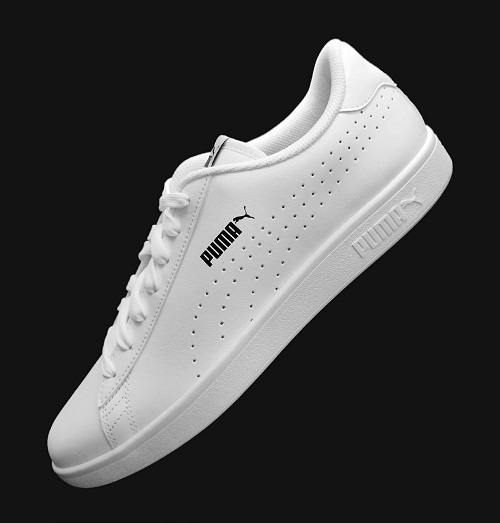
The report provides significant data to corroborate this fact. Customers may seek out lower-priced retailers and discounts, particularly in younger segments. Over 75 per cent of US Gen-Z and Millennials said they are taking steps to manage finances, compared with Gen-X’s 64 per cent and Baby Boomers’ 53 per cent. Off-price retail is expected to experience a boom with pre-loved and off-season items at heavily discounted rates. In fact, off-price as a fashion industry channel is expected to contribute 12 per cent of the industry’s income by 2025.
In China, the younger generation is really not affected by the recession and inflation running through Europe. However, young Chinese are feeling the impact of their economy’s slowdown, especially driven by the Covid-19 related issues. Unemployment stands at 20 per cent for Chinese aged between 16 and 24 years, compared to the overall national figure of 5.5 per cent. This in turn has severely impacted their lifestyle purchase choices as they make drastic cuts for a simpler life than did their parents. The trend is called “tang ping” – leaving the rat race for a low key life, with far less focus on material consumption.
Consumers can look forward to lower apparel pricing in 2023
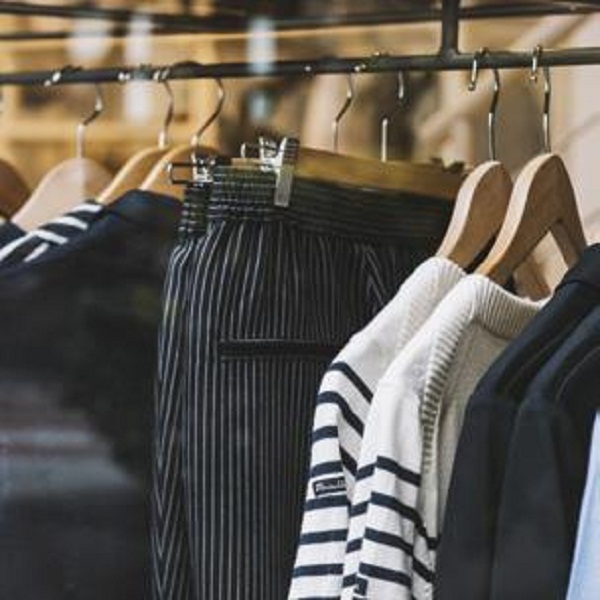
Every cloud has a silver lining and industry analysts are predicting good things for 2023. After rampant inflation in 202, with disruption in supply chains after the pandemic, there is a positive projection that the cost of goods as a whole, including apparel, should start to come down by next year.
US-based investment research firm Morningstar has predicted that since inflation was worse in 2022 than what is expected in 2023, global customers can look forward to a happy new year with some financial relief soon. With commodities supply chains now more stable, the gap between supply and demand will soon be narrowed, and this will make consumers cut back on spending. This will enable the cost of goods as a whole to come down and will directly benefit the apparel industry too.
Better inventory and demand-supply chain coming soon
As interest rates rise, consumer spending will slow down and demand will decrease, potentially leading to lower clothing prices. After Covid years, the combination of high sourcing costs coupled with an increasingly challenging retail environment has pressured retailer margins and compounded issues related to inventory. But having overcome some earlier difficulties, apparel import volumes have grown in leaps and bounds in recent months. Analysts feel the seasonally adjusted terms for raw fibre equivalence (weight terms), and total apparel imports (all fibres) have recorded the highest ever between February and June. Although some recent figures may be on a slight decline, they are still soaring above the average before 2019 before Covid and may add to inventories as the present consumer environment slows.

Reports suggest, that although retail prices for garments decreased by 0.2 per cent month-over-month in September, the year-on-year retail apparel prices were 6 per cent higher. This is relative to the 2019 average, where current retail prices were 2.1 per cent higher in September, as per the Executive Cotton Update by Cotton Incorporated. However, import costs continue to rise and the latest value for Square Metre Equivalent (SME) of cotton-dominant apparel set a record (data since 1989) in seasonally adjusted terms of $4.11/SME. These recent values are a total reversal relative to the values that were posted when Covid started.
Some garment segments are a non-negotiable expense The total overall consumer spending increased 0.3 per cent month-over-month in seasonally and inflation-adjusted terms in September this year with YOY overall spending up to 1.9 per cent, which is the slowest rate of annual growth since early 2021. Among this, the spending on garments was up 1.4 per cent month-over-month but was down 0.3 per cent year-over-year.
Although certain expenses such as food, gas and housing are non-negotiable expenses, many items of clothing are considered essential expenses too, although not all. Kids wear as children outgrow clothes, winter clothing, sports gear for wellness, and corporate dressing for the work segment among others are not an extra expenditure- they are essential for our daily living. Cost-cutting techniques such as ditching the expensive branded kids wear that kids will outgrow soon and buying the cheaper alternatives, accepting hand-me-downs from older kids of friends and family and shopping at the end-of-season sales instead of the beginning are all ways of cutting expenses.
Fashion is not about labels and price tags- it’s all about you being you. And consumers are looking forward to that in 2023 with the dip in inflation and lower prices and the Covid fear slowly ebbing away.
Gen Z to drive growth in gender fluid fashion in 2023 says, BOF-McKinsey’s ‘State of Fashion 2023’ report
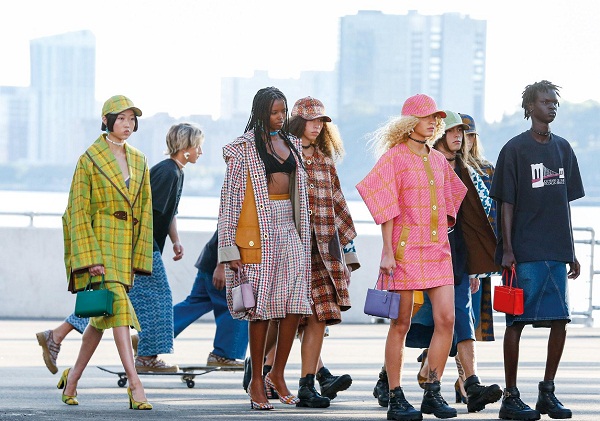
Year 2023 shows a greater acceptance and following of gender-fluid fashion as detailed research in the just published Business of Fashion and McKinsey & Company’s report ‘State of Fashion 2023’ reveals. Gen Z is the key segment driving popularity as this generation does not identify their gender on static lines like their previous generations. Markets leading genderless clothing are Northern Americas, Europe, Japan and Korea.
Growing acceptance to drive market
In a survey conducted among top industry executives during the compilation of this report, 73 per cent of American respondents said they would consider buying genderless clothing whereas 36 per cent respondents said they already had, making the US youngsters leading the world on this fashion trend. Interestingly, fashion hubs like France and Italy showed 58 and 67 per cent respondents willing to buy whereas only 22 and 21 per cent respondents had already bought genderless clothing in these two countries respectively.

The survey also indicated that amongst Gen Z respondents, below 20 years of age are more likely to buy clothes that are gender-fluid and 56 per cent of this target group said they prefer buying clothes that are not gender specific. This group of young consumers is the future customer of fashion brands as by 2036, they would represent the largest segment in the fashion sector. A lot can be said about the influence of pop culture in the changing attitudes towards gender-fluid fashion. A fashion app Lyst said they saw a 33 per cent increase in searches ‘gender neutral’ in 2021. The Korean search engine Naver reported similar searches rising since 2020. Sale of handbags has reiterated this shift in many ways. The RealReal site that resells pre-loved luxury items reported that men’s interest in the iconic Birkin bag has grown considerably and when it comes to purchase of luxury handbags, men are beginning to catch up with women in terms of numbers. “Gender neutral is not a trend, it’s a reality,” said Jonathan Anderson, Creative Director of Loewe and founder of label JW Anderson, in 2021. “My whole philosophy is that you cannot tell people what to wear. You’re not allowed to say: ‘I want this to be bought by a woman or by a man’.” According to Brigitte Chartrand, senior director of womenswear buying for online luxury boutique Ssense, “Modernised merchandising techniques can help brands sell products to a wider range of customers. For example, Ssence presents men’s pieces in its womenswear offering based on cut, fit, size or styling.”
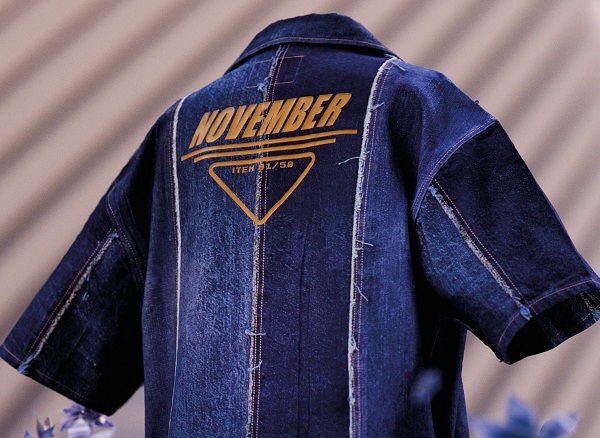
Many brands adopt ‘Made for All’ categories
Many brands have decided to do away with gender-based categories for all or some of their clothing lines. ‘Made for All’ is Uniqlo’s collection that was presented within men’s and women’s collections on their online and ins-store channels. The collection met with great success in most Western countries. Phluid Project, the NYC clothing label has stopped clothing by gender completely. Depop, the online resale platform does not filter searches by gender unless at the request of the visitor.
Industry experts have advised fashion brands to know their young customers at a more personal level – demographics, markets and local cultures will be the key to success for gender-fluid fashion. Even in Europe, countries like Italy, Spain, Portugal, France and Poland will be harder to crack than the UK and the very-liberal Scandinavian countries. Similarly, with the exception of Japan and South Korea, at the present moment the rest of Asia, the subcontinent and the Middle East are not ready to embrace the concept enmasse.
Textile chemical market grows by four per cent
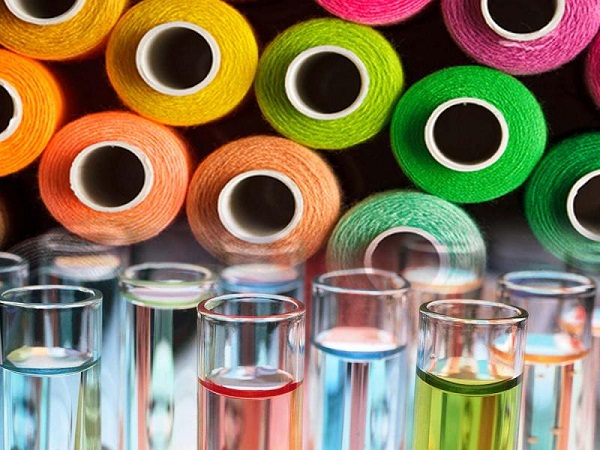
The global market for textile chemicals is growing by four per cent a year.
Textile chemicals are used in many parts of the manufacturing process to ensure that fabrics, yarns, and fibers are produced with consistent results across multiple batches.
In addition, textile chemicals can help create innovative finishes and styles that make textile products more attractive to consumers.Textile chemicals are used in various stages of fabric production such as pre-treatment, dyeing and finishing, printing and other processes. Textile chemicals are used to improve the feel, look and performance of fabrics. They are an integral part of textile production, as they provide special treatments that help reduce wear and tear, resist stains and add colour to fabrics. Increasing investments in the textile industry, growing demand for eco-friendly and sustainable fabrics, advances in the production technologies of textiles are some of the factors driving the growth of this market.
Initiatives to promote investments in the fashion and garment industry are providing a major impetus to the global textile chemical market. Countries are regulating standards for the safe use of chemicals for dyeing and processing of fabrics. This is likely to boost the growth of the global textile chemical market. Rising disposable income coupled with changing lifestyle trends in developing countries is estimated to increase demand for apparel and other textiles, which can grow the demand for textile chemicals in coming years.
Textile chemicals are used to enhance various characteristics of textiles such as shrinkage protection, resistance against bacteria, soil release property, dye fixation, texture modification and flame retardation. The use of enzymes, bio-polishers and biobased surfactants is gaining traction due to their environment-friendly nature and cost effectiveness. Moreover, the increasing demand for improved quality of textile products is another factor driving the global textile chemicals market.In addition, technological advances in the production of dye intermediates and textile dyes are another factor propelling the growth of this market.
Furthermore, increasing investments in research and development activities, introduction of bio-based dyes are some other factors estimated to contribute to the growth of the global textile chemical market in coming years.Major brands and stores are continuously looking for ways to reduce their water and energy consumption. As a result, the demand for eco-friendly textile chemicals is increasing in the global market.Colorants and auxiliaries account for the largest revenue share in the global textile chemicals market due to an increasing demand for vibrant shades and textured fabrics in the textile industry.
The segment is expected to remain dominant due to rising awareness regarding sustainability and development of innovative products that have advanced properties. Additionally, increasing production capacities by leading companies is anticipated to drive market growth.
Challenges
Stringent environmental regulations and health safety issues associated with certain chemicals are some factors hampering the growth of the global textile chemical market.Despite these challenges, companies operating in this industry are focusing on the development of environment-friendly chemicals for dyeing and processing of textiles. This factor is expected to provide new opportunities for the growth of this market in future.











