


FW
H&M, Zara among sign Pakistan Accord, Levi's refuses citing industry standards
49 apparel companies including H&M and Zara have signed the Pakistan Accord, a binding agreement to improve safety in the garment sector which empowers independent safety investigators to inspect over 300 Pakistani manufacturing facilities and guarantee certain health and safety provisions for workers.
Labor and human rights activists recently protested Levi's in Times Square, calling on the U.S. denim giant to sign the Pakistan Accord. Protesters reminded passersby of the substandard conditions and dangers that factory workers in places like Bangladesh and Pakistan still face today.
Activist leaders attempted to personally deliver a letter to Levi’s management but were turned away by store employees and police. Levi’s acknowledges the need for improved working conditions but contends that the best way forward is to rely on industry standards and third-party organizations.
The demonstration coincided with the 10th anniversary of the Rana Plaza building collapse that killed over 1,100 garment industry workers in Bangladesh.
The fashion brands that have signed the accord include European makers Zara and H&M, but American Eagle Outfitters and Calvin Klein parent company PVH are the only U.S.-based peers of Levi’s to have made the pledge.
Protesters are hopeful that Levi’s will eventually come around and sign the accord, recognizing that voluntary efforts do not work and the accord is binding.
Indian government takes tough stance against online platforms
The Indian government is taking a tough stance on e-commerce platforms, with Commerce and Industry Minister Piyush Goyal stating that while the government is not concerned about flash sales, it is against predatory pricing and other unfair practices used by e-retailers to limit consumer choice.
Goyal also expressed concern that consumers are being diverted to entities preferred or promoted by online retailers in order to avail of discounts, which is against foreign direct investment rules.
He emphasized that the government's e-commerce policy aims to prevent cheating and predatory pricing, citing China as an example of how dumping of goods at low prices can harm domestic manufacturing and force consumers to buy goods at high prices. Goyal urged e-commerce players to respect the country's FDI laws and operate marketplaces as marketplaces.
He also called for support to protect small retailers, who are at risk of being shut down by e-commerce giants in developed economies.
Denim goes ‘Nostalgic & Sustainable’ in Fall/Winter 2024-25
Denim Dudes presented their Fall/Winter 2024-2025 denim forecast at Kingpins Amsterdam, showcasing four themes that balance practical staples with statement pieces for social impact.
The first theme, Avant-Y2K, reimagines nostalgic relics with distorted seams, cutouts, and body-hugging fits. Recessioncore reflects the demand for understated fashion, with gender-neutral designs and tailored silhouettes.
A.W.A.K.E. Mode features denim as a protective shell with winter weights, quilting, and cozy knits.
Synthetic is an optimistic theme with attention-grabbing silhouettes and playful combinations.
Finally, Underground embraces sustainable materials and alternative solutions, rejecting glitz and glamour.
Despite decline in Turkish’s overall textile exports, knitted fabric and garment exports increase
The Turkish textile and raw materials sector has seen a decline in exports by 11.9% in the first quarter of 2023 compared to the same period in 2022, according to the Textile and Raw Materials Sector, March 2023 Exports Performance Report published by ITHIB.
The sector's total exports for the period amounted to approximately $3 billion. However, exports of textiles and raw materials increased by 23.1% in March 2023 compared to the previous month, when an earthquake disaster occurred. In contrast, exports decreased by 8.6% compared to March 2022, amounting to approximately $1.1 billion, with a share of 4.6% in Turkey's overall exports.
In the first quarter of 2023, the EU (27) countries were the highest export destination for Turkish textile and raw materials, with exports valued at $1.2 billion, representing a decrease of 24.7% compared to the same period in 2022. Meanwhile, exports to African countries, the second-largest market, decreased by 22.5% to $305.7 million.
The highest increase in Turkish textile exports was to Iran, which was the country with the highest increase in exports among the top 10 countries to which Turkey exported the most textile and raw materials in the January-March period of 2023, with an increase of 15.8%.
The woven fabric product group took the biggest slice in exports, with a share of 21.4%, totaling $637.1 million. Within this category, woven fabric from synthetic artificial filament yarns was the most exported sub-product group, with a share of 40.5% and an export value of approximately $258 million. However, exports of yarn, which ranked third, decreased by 24.7% in the same period, totaling $529 million.
Despite the decline in overall textile exports, knitted fabric exports increased by 3.2% to $502.7 million, while home textile exports decreased by 13% to $476.3 million, and fiber exports decreased by 3% to $287.5 million. Exports of the garment sub-industry increased by 11.5% to $158.1 million in the January-March period of 2023.
The capacity utilization rate of the textile product manufacturing industry was 66.1% in March 2023, a decrease of 12.9% compared to March of the previous year, according to the Central Bank of the Republic of Turkey's capacity utilization report.
Furthermore, the Turkish Statistical Institute reported a decrease of 18.3% in the textile industry production index in December 2022 compared to the same month in the previous year, while the manufacturing industry production index increased by 0.5%.
How will weakening dollar impact global textile and apparel industry?
The weakening US dollar is expected to have a significant impact on the textile and apparel industry, as it will make exports from the United States more affordable for foreign buyers while making imports more expensive for domestic consumers.
According to a report by UBS Wealth Management, the US dollar is expected to fall further against key currencies over the next six to 12 months, due to various factors such as the potential shrinking of the US growth premium, a cooling labor market, slowing inflation, and the possibility of the Federal Reserve cutting interest rates before other major central banks.
As the dollar continues to weaken, it will benefit the US textile and apparel exporters, as their goods will become more affordable for foreign buyers. This will increase demand for US-made textiles and apparel, which in turn will stimulate job growth and boost the US economy.
On the other hand, the weaker dollar will make imports more expensive for US consumers, which could lead to inflationary pressures and a rise in the cost of living. This will be particularly felt by low-income households, who spend a larger portion of their income on clothing and other basic necessities.
The impact of the weakening dollar on the textile and apparel industry will also be felt globally. Countries that export textiles and apparel to the US, such as China and Vietnam, will face increased competition from US-based manufacturers. This may lead to lower prices and reduced profits for these exporters, which could in turn impact their domestic economies.
Overall, the weakening dollar is expected to have significant implications for the textile and apparel industry, both in the United States and globally. While US-based manufacturers stand to benefit from increased demand for their products, consumers may face higher prices and inflationary pressures. It remains to be seen how these factors will ultimately impact the industry in the long term.
Hong Kong loses appeal for luxury shopping, top luxury company moves focus to mainland China
LVMH, the world's top luxury conglomerate, is reportedly shifting its focus away from Hong Kong and towards China's booming metropolises, including Shanghai, Chengdu, Guangzhou, and Shenzhen.
The move reflects a waning interest in Hong Kong as a premium shopping hub due to a significant drop in sales and tourism following the 2019 anti-government protests and the COVID-19 pandemic.
As mainland Chinese consumers increasingly prefer to shop domestically, LVMH has relocated some senior executives to the mainland and moved the regional headquarters of some brands to Shanghai.
Chinese shoppers' pivot to buying more domestically is expected to continue, with the portion of total luxury spending within the mainland almost doubling from pre-COVID levels.
Meanwhile, shopping centers such as Hainan and Macau are emerging as up-and-coming luxury destinations that are likely to erode Hong Kong's significance further.
Another USA fashion retail giant downsizes, lays off jobs
Several major retailers are downsizing their workforces as they struggle to adapt to changing consumer behavior and increased competition from e-commerce companies. The pandemic has had a profound impact on the retail industry, with many companies struggling to adapt to the shift towards online shopping and changes in consumer behavior. Data from the US Department of Labor reveals that the retail sector has lost over 500,000 jobs since the start of the pandemic in early 2020.
Apparel retailer Gap Inc is the latest to announce a substantial number of job cuts, following in the footsteps of Meta Platforms, Clorox, and Wayfair. The move is reportedly a response to concerns of an impending recession in the US, with many companies seeking to reduce costs and streamline operations.
According to sources familiar with the matter, Gap's current round of job cuts will focus on its international sourcing division, and is expected to exceed the roughly 500 corporate roles eliminated. The company had a workforce of approximately 95,000 employees, and has been notifying affected employees since April 18.
Gap, which operates over 3,800 stores worldwide, has been hit particularly hard by the pandemic, reporting a net loss of $665 million in 2020. In response, the company has been focusing on e-commerce and digital sales, which have seen rapid growth in recent years. Despite this, brick-and-mortar stores remain a significant part of Gap's business, with over 1,000 stores across the US, Europe, and Asia.
The job cuts at Gap come amidst concerns of a potential recession in the US, driven by inflation, supply chain disruptions, and other economic factors. As companies seek to prepare for a possible downturn, more downsizing efforts and operational restructuring are likely in the coming months. The impact of Gap's job cuts on the company's performance and future growth prospects remains to be seen.
Optimism prevails as HKTDC’s trade shows successfully make strong comeback”, as per exhibitors, buyers
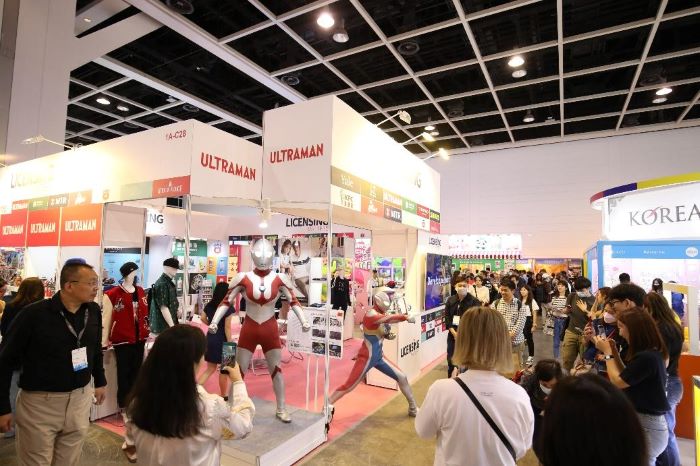
Trade shows are back in business and exhibitors are excited about the positive impact that relaxed quarantine measures and the restoration of business travel will have on their sales and business.
HKTDC successfully organised recently concluded seven shows including, the Hong Kong Gifts & Premium Fair; Home InStyle; the Hong Kong International Home Textiles and Furnishings Fair; Fashion InStyle; the Hong Kong International Printing & Packaging Fair as well as the Hong Kong International Licensing Show.
According to a survey conducted by an independent research agency commissioned by HKTDC, over 52% of the respondents expected a positive impact on their sales and business, while nearly 70% expected sales to be back to pre-pandemic levels within 6 to 18 months.
Hong Kong and the mainland were the top choices for trade-fair participation among buyers, with 85% and 60% of respondents, respectively. Respondents also identified Northern & Western Europe (21%) and ASEAN countries (15%) as their new target markets in the next two years, indicating that they are optimistic about the growth prospects.
In terms of product trends, sleek and simple designs were predicted to be in high demand by respondents at Home InStyle (41%), while sustainable products (61%) were expected to be a market trend according to respondents at the Gifts Fair.
The Hong Kong Gifts & Premium Fair and Home InStyle launched a brand-new Cultural & Creative Corner, which attracted the attention of buyers looking for unique products with cultural characteristics. Many exhibitors, including Beijing Enamel Factory, expressed their satisfaction with the exhibition's traffic and successfully connected with buyers from Hong Kong and Mainland China.
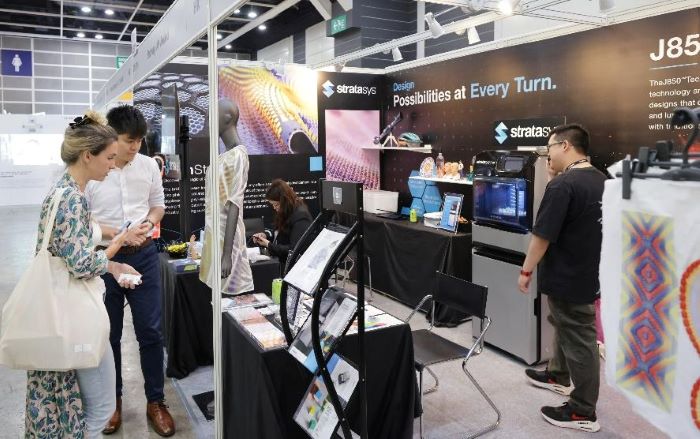
The Hong Kong International Licensing Show also featured more than 550 diverse licensing projects and brands, including art, culture, entertainment, and design. Many licensees expressed satisfaction with the exhibition's traffic and successfully signed cooperation agreements. Innovative technology is also bringing revolutionary changes to various industries. Exhibitors such as Stratasys said showcased their PolyJet 3D printing technology, which enables direct-to-textile printing on garments, footwear, and luxury accessories like hats and bags. Buyers from Hong Kong, India and Mainland China showed strong interest in their products, and the exhibition proved to be a great platform to drive their expansion in Asia. The joint exhibitions held under one roof provided buyers with a one-stop sourcing platform, and many visitors placed onsite orders. Exhibitors such as TVS spa showcased their eco-friendly collection to global buyers and new distributors, while buyers from Poland identified six potential mainland suppliers during their Home InStyle visit. Overall, the exhibitors are optimistic about the prospects of trade shows and are looking forward to future events.
Creative hub status of Hong Kong reaffirmed by HKTDC's successful lifestyle shows
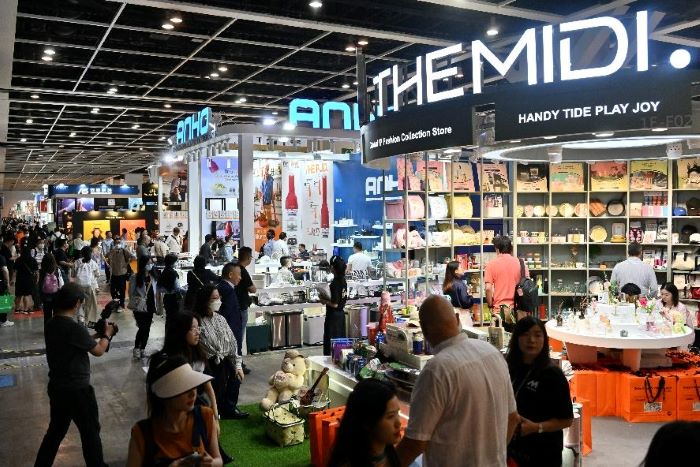
HKTDC successfully organised recently concluded seven shows including, the Hong Kong Gifts & Premium Fair; Home InStyle; the Hong Kong International Home Textiles and Furnishings Fair; Fashion InStyle; the Hong Kong International Printing & Packaging Fair as well as the Hong Kong International Licensing Show.
The shows attracted close to 56,000 buyers from over 130 countries and regions, about 60% buyers were non-local coming from mainly Mainland China, Association of Southeast Asian Nations(ASEAN), Taiwan, the United States, Japan and Korea.
For the first time in April, the HKTDC held seven major lifestyle and licensing events concurrently. The Hong Kong Houseware Fair and the Hong Kong Fashion Week were rebranded as Home InStyle and Fashion InStyle respectively, offering more diverse creative products to international buyers; while the Licensing Show was repositioned to cover multiple lifestyle categories, bringing greater synergies and opening up more collaboration possibilities across industries.
“The development of the creative and knowledge-based economy has become a major driving force for global economic growth. Hong Kong is an important hub for promoting creativity and intellectual property trade in the region, with the advantage of being close to the mainland while connected to the world. We are happy to see that many exhibitors were able to secure on-site orders, which is very encouraging” said Sophia Chong, Deputy Executive Director, HKTDC emphatically.
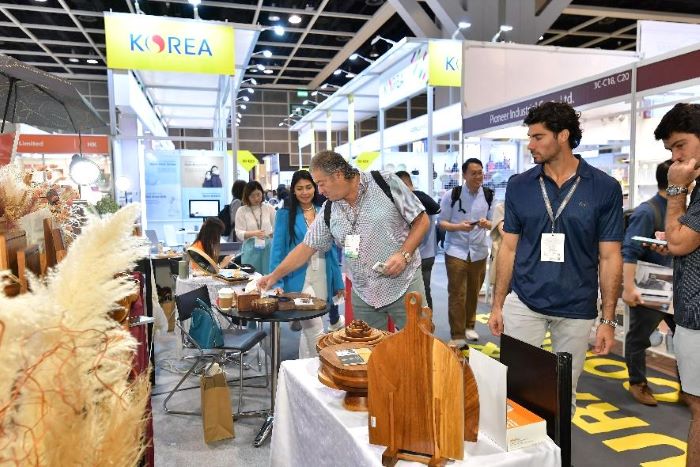
Exhibitors and buyers optimistic on growth prospects
Commissioned by the HKTDC, an independent research agency interviewed around 850 exhibitors and buyers during the events reflecting optimism about expected business and sales to be back to pre-pandemic levels within 6 to 18 months.
Cultural, creative design and AI projects in focus
The Hong Kong Gifts & Premium Fair and Home InStyle launched a brand-new Cultural & Creative Corner, featuring more than 80 exhibitors. “The Cultural & Creative Corner has attracted the attention of buyers who are looking for unique products with cultural characteristics. We have connected with buyers from Hong Kong and Mainland China. We hope to develop long-term cooperation with them”, said Xie Yanhua, The Chairman of first-time participant Beijing Enamel Factory.
September to see CENTRESTAGE and Watch & Clock Fair
The HKTDC organised a series of exhibitions and conferences this spring, covering various lifestyle sectors. Given the success of these events, the HKTDC hopes to seize more opportunities from the Regional Comprehensive Economic Partnership (RCEP) and ASEAN markets, as well as the global market, by organising more large-scale international exhibitions, including CENTRESTAGE and the Hong Kong Watch & Clock Fair in September, further strengthening Hong Kong’s role as a global sourcing hub.
Yarn Expo Autumn 2023 to showcase latest yarn collections in China
After a hiatus due to COVID-19 restrictions, Yarn Expo Autumn, Asia's leading yarn and fiber trade fair, is set to return to China from August 28-30, 2023.
The event will take place at the National Exhibition and Convention Centre in Shanghai, China, and will feature a range of natural and blended yarns, including cotton, wool, flax/regenerated flax, and man-made fibers and yarns. Specialty products such as elastic, fancy, and blended yarns will also be showcased by suppliers from Asian and European countries.
The trade fair is expected to attract garment manufacturers, trading companies, import and export corporations, department stores, and other related companies, as well as designers and trade associations.
Concurrent events at Yarn Expo Autumn 2023 will include the Intertextile Shanghai Apparel Fabrics - Autumn edition, PH Value, and CHIC. The 2023 edition will also feature a trend forum, fancy yarn vision, fashion show, seminar, product presentation, and online and tailor-made business matching programs as fringe events.
Yarn Expo Autumn 2021 had attracted 429 domestic and international exhibitors and 13,037 professional visitors from around the world.
According to event organizer Messe Frankfurt, Yarn Expo is an ideal trade fair for exhibitors to meet new customers and maintain relationships with old ones.











