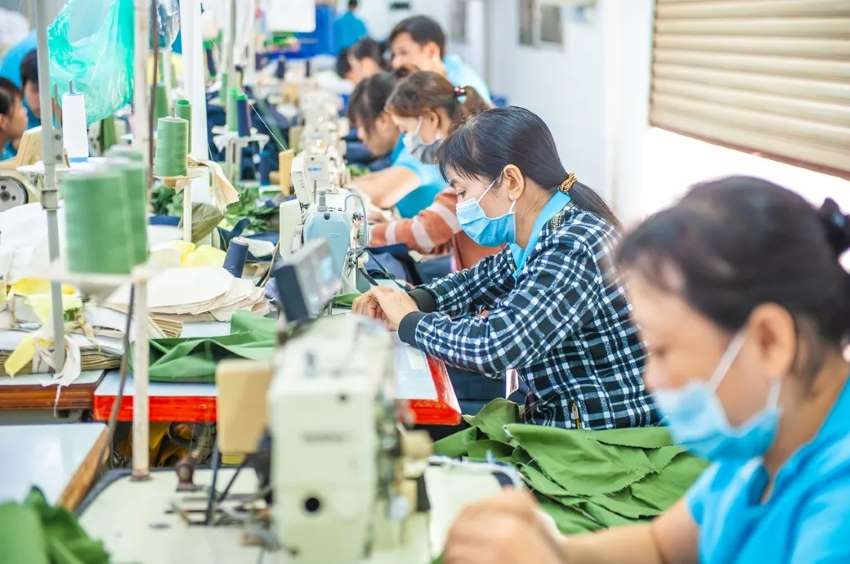
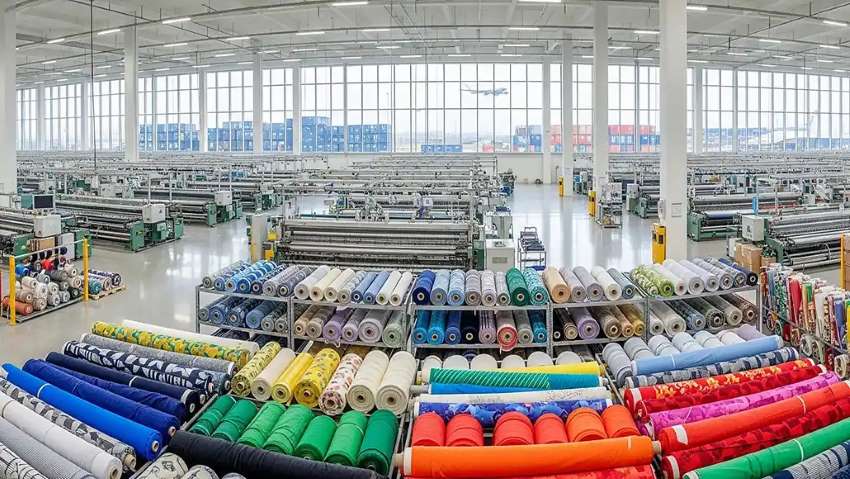
The weakening US dollar is expected to have a significant impact on the textile and apparel industry, as it will make exports from the United States more affordable for foreign buyers while making imports more expensive for domestic consumers.
According to a report by UBS Wealth Management, the US dollar is expected to fall further against key currencies over the next six to 12 months, due to various factors such as the potential shrinking of the US growth premium, a cooling labor market, slowing inflation, and the possibility of the Federal Reserve cutting interest rates before other major central banks.
As the dollar continues to weaken, it will benefit the US textile and apparel exporters, as their goods will become more affordable for foreign buyers. This will increase demand for US-made textiles and apparel, which in turn will stimulate job growth and boost the US economy.
On the other hand, the weaker dollar will make imports more expensive for US consumers, which could lead to inflationary pressures and a rise in the cost of living. This will be particularly felt by low-income households, who spend a larger portion of their income on clothing and other basic necessities.
The impact of the weakening dollar on the textile and apparel industry will also be felt globally. Countries that export textiles and apparel to the US, such as China and Vietnam, will face increased competition from US-based manufacturers. This may lead to lower prices and reduced profits for these exporters, which could in turn impact their domestic economies.
Overall, the weakening dollar is expected to have significant implications for the textile and apparel industry, both in the United States and globally. While US-based manufacturers stand to benefit from increased demand for their products, consumers may face higher prices and inflationary pressures. It remains to be seen how these factors will ultimately impact the industry in the long term.