FW
adidas reports revenue for the third quarter
Currency-neutral revenue increased by 1%, driven by growth in all regions except North America.
Top-line growth reflects a focus on conservative inventory management and full-price sales.
Gross margin improved by 0.2 percentage points to 49.3%, driven by lower freight costs, a more favorable business mix, and lower inventory allowances. Discounting levels continue to improve.
Operating profit of €409 million includes extraordinary expenses of around €110 million.
Conservative sell-in strategy is paying off as inventory position improves substantially compared to the second quarter to €4.8 billion, down 23% year-over-year.
Overall, the company's results demonstrate the success of its focus on conservative inventory management, full-price sales, and cost reduction initiatives.
Marzoli Achieves Breakthroughs in Roving Frame Technology
Marzoli, a leading provider of spinning solutions, has unveiled its innovative Roving Frame FTM320, demonstrating its commitment to advancing textile manufacturing. This revolutionary machine boasts a central headstock and independent double-side modules that operate simultaneously, maximizing efficiency and reducing downtime.
The single Marzoli Revolver Exchanger for both sides, coupled with an optimized train layout in the creel, enhances transport efficiency and simplifies maintenance. Additionally, a single OHTC (Oil Heating Tank) for both sides minimizes cleaning and maintenance costs.
Marzoli further enhances automation with its Integrated Transport System, streamlining yarn transportation and further streamlining operations. To further enhance yarn quality, Marzoli has developed the IBC (Integrated Bobbin Cleaner), a simple yet effective device that efficiently removes residual roving from ring frame tubes.
These groundbreaking achievements demonstrate Marzoli's dedication to providing the industry with cutting-edge technologies that elevate spinning efficiency, reliability, and sustainability. The Roving Frame FTM320, Integrated Transport System, and IBC represent a significant leap forward in textile manufacturing, setting new standards for yarn production.
Weakening Textile Demand Impacts Cotton Ecosystem
As per Seshadri Ramkumar, Professor, Texas Tech University, USA recent report, A decline in global textile demand is rippling through the cotton ecosystem, impacting production, prices, and mill operations. India, the second-largest cotton producer, is projected to see a lower output in the upcoming season, while spinning margins have dwindled despite reduced cotton prices.
Factors contributing to the demand slump include trade imbalances, high power costs in India, and reduced global demand. This has led to unit closures in South India and reduced yarn consumption.
Industry experts emphasize the need to closely monitor global economic trends, demand patterns, and supply dynamics before making expansion or inventory decisions. They hope that a revival of global demand, particularly during the Christmas season, will provide a much-needed boost to the textile industry.
Karl Mayer unveils innovative TEXTRONIC Lace machine
Karl Mayer, the industry leader in textile machinery, introduces an innovative TEXTRONIC Lace machine that promises to redefine lace production. The MT 84/1/40 S, set to be officially unveiled in November 2023, showcases an exceptional blend of traditional craftsmanship and modern technology.
This cutting-edge lace machine creates delicate lace articles with a captivating, contrasting fabric appearance. The key highlight is its remarkable resemblance to 12-point Leavers lace quality, a feat acknowledged by Karl Mayer's lace expert, Jamie Heather.
The MT 84/1/40 S employs a pioneering configuration, incorporating a stitch-forming Jacquard bar and two ground guide bars. This unique setup enables the production of high-contrast lace with multi-layered patterns and even allows for the creation of lighter fabric grounds without the need for pillar stitches. The addition of a fall-plate and an increased number of pattern bars further enhances the intricacy of the lace produced.
Karl Mayer plans to showcase this groundbreaking lace machine at a product show in Changzhou City, China, parallel to ITMA ASIA, where industry enthusiasts can witness the MT 84/1/40 S in action, signaling a new era in lace manufacturing.
Coats Digital's FastReactPlan transforms Bowker Asia's efficiency
Bowker Asia Limited, a leading sportswear specialist, has reported significant improvements in its operational efficiency and performance following the adoption of Coats Digital's FastReactPlan. The key news angle here is the impressive impact this software has had on Bowker's operations, including a 10% increase in capacity plan accuracy, a 3% boost in production efficiencies, and a remarkable 10% improvement in on-time delivery performance (OTDP).
Before implementing FastReactPlan, Bowker relied on manual processes, which were time-consuming and often led to inaccuracies and inefficiencies in their production and scheduling. With this new software, the company has achieved a unified, real-time source of information, allowing them to assess and manage production capacity, collaborate across departments, and make informed decisions quickly. This has also reduced the duration of management meetings by 50%.
Furthermore, Bowker can now view capacity plans from multiple angles, enhancing their understanding of production capabilities and limitations. The software enables them to effectively balance capacity in various scenarios, ultimately leading to a 10% improvement in OTDP.
Bowker's success with FastReactPlan has not only boosted operational efficiency but also freed up valuable time for staff to focus on innovation and business growth. Coats Digital, the provider of FastReactPlan, recognizes the transformative impact of this software and is enthusiastic about its partnership with Bowker to continue driving efficiency and innovation in the sportswear manufacturing industry.
This story highlights how technology solutions like FastReactPlan can significantly improve efficiency and performance in the fashion apparel manufacturing industry, with Bowker Asia Limited serving as a successful example.
Report questions Asia’s ability to deliver on circular fashion
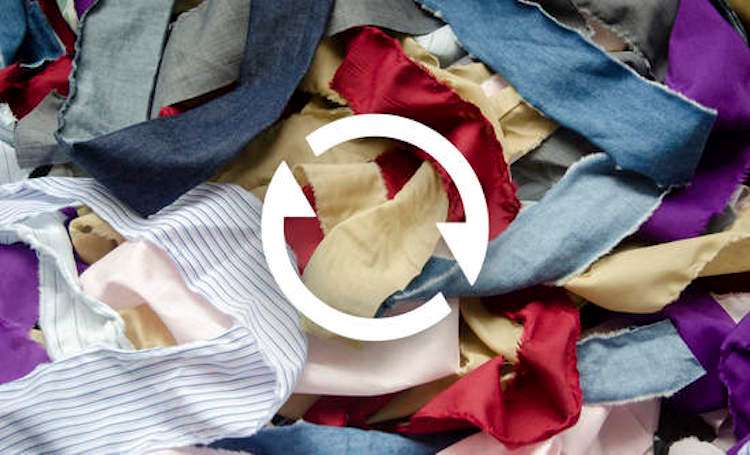
The fashion industry is being pushed fast and hard towards circularity and the EU is perhaps its most vocal implementer, having introduced key legislations that regulate the environmental and social impact of fashion. Hong Kong-based environmental NGO Redress that specializes in sustainability in Asia, released an industry report related to Asia’s manufacturing bases for the global fashion sector. The report clearly highlights Asian supply chains are nowhere near ready to deliver the need of the future and this worrisome as Asia is the global manufacturing hub for textiles and apparel.
As Christina Dean, Founder, Redress, supported by the VF Foundation points out, the three main gaps are: design knowledge, financial challenges in an extremely price-sensitive sector and leadership skills to steer Asia towards fashion circularity in a meaningful way. The report was presented at a panel discussion at Fashion Summit Hong Kong, Asia's sustainable fashion event, as well as at Shanghai Fashion Week.
Design knowledge gap hinders transition
It’s the time for a now or never approach in Asia, where organizations that support fashion circularity and expert and experienced designers collaborate to conceptualize and implement circularity best practices to ensure Asian hubs are able to fulfill the circularity model that is the future of fashion. Redress’ study comprised 195 global fashion professionals, the methodology being mainly in the form of quantitative questionnaires supported by 40 qualitative interviews with professionals working with organizations that produce apparels for Europe, China and South East Asia.
Almost 79 per cent respondents acknowledged the current design knowledge gap that is going to be a significant obstacle for circularity to be implemented. The two main factors to bridge the gap were identified as: education and capacity building. It is going to be vital for Asia’s manufacturing hubs to understand that the first step towards achieving circularity is based on product design that sources sustainably, builds in longevity and factors in recyclability. Capacity building includes turning manufacturing plants to widen their scope to suit the manufacturing of sustainable and recyclable items.
Financial challenges
Apart from the existing design knowledge gap, financial barriers are yet another challenge that the Asian fashion sector requires to iron out. Having positioned itself as the most affordable region for sourcing, most manufacturing hubs operate on compromised margins that leave little room for investing in transitioning to sustainable and circular fashion’s supply chain. In this context, the senior managements of manufacturing companies have not shown much enthusiasm to plough back funds towards building capacity as well as the restructuring of the linear model into a circular one. One may also add that Western buyers have a large role to play because they might espouse the need for fashion to be circular but are not willing to undergo a price recalibration that comes with an entire manufacturing sector realigning itself. For both parties, the vendor and the buyer, the mind-set is short-term gain focused rather than looking ahead to deliver on sustainable fashion in tangible ways.
The transition could be a rocky
Analyzing the report begets the question how can Asia, the region that produces nearly 60 per cent of apparel for worldwide consumption, not deliver to the growingly stringent regulations bring imposed on the global fashion sector? How will it affect the worldwide trade? These are important questions that Western markets are looking at. The cost-efficiency of Asian manufacturing hubs have been the biggest attraction but as expected, may not be sustainable as positive environmental and social impact will draw up a heftier price tag. The moot point is will investors be ready to take the plunge to transition or withhold knowing any shift in pricing could bring about seismic changes amongst Western buyers.
Textile sector’s contribution to India’s GDP will more than double by this decade: CII- Primus Report
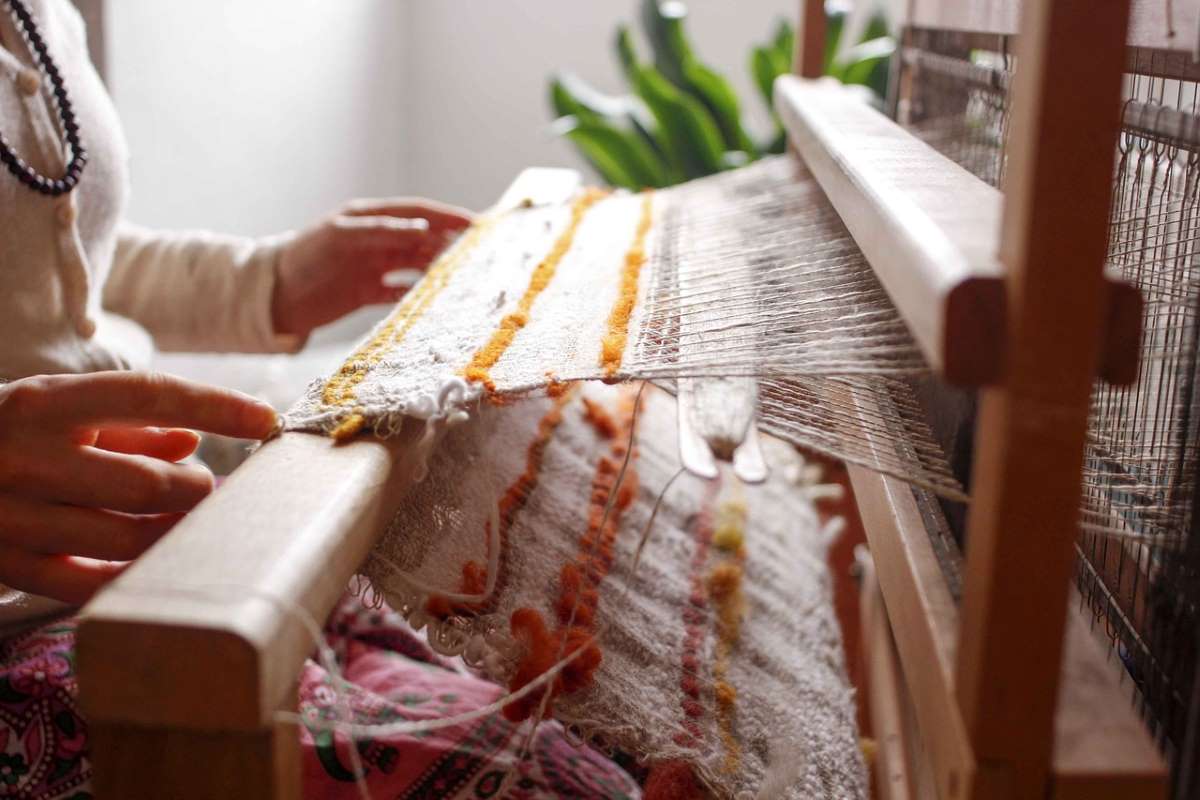
As the third-largest global textile manufacturer, Indian textile segment has always played a pivotal role in global textile production and is currently targeting $250 billion milestone by 2030. The industry is one of the largest sources of employment generation with over 27 million women employees. Technical textiles are a new high-tech segment that holds a lot of promise for global exports.
Analysts say rapid industrialization in developed countries and high-tech fabric production will help global segment to grow from $723 billion in 2023 to $859 billion by 2028, at a CAGR of 3.52 per cent. Both natural fiber composites obtained from plants and animals like cotton, silk, linen, wool and hemp along with conventional fibers are finding extensive application in global textile production, automotive industry for interior and exterior use as well as the pharmaceutical industry. With growing usage, technical textiles segment is set to lead sector growth with a projected CAGR of 15 per cent.
Improved GDP boosts textile growth
A recent Confederation of Indian Industries (CII) report “Decadal Outlook for Textile Industry: Threads of Transformation for Textile Industry” tabled at the recent Texfuture 2023 conference, highlights many important aspects of the textile industry. It predicts the contribution of textiles industry to the GDP will more than double from 2.3 per cent to about 5 per cent by 2030. Even the Gross Value Added (GVA) is expected foresee consistent annual growth of 9 per cent from 2021 to 2028.
In Maharashtra, the launch of ‘Textiles Policy 2023-28’ is a big step in its progressive journey as it has an ambitious goal of attracting global investments worth Rs 25,000 crore along with creating jobs for over 5 lakh people in the state, especially women. India is currently among the top five global exporters across categories viz, natural fibers, MMF, spun yarn, filament yarn, woven fabric, and home textiles. Both the central and state governments have launched some progressive industry-specific schemes that showcase India’s technological strides and commitment to sustainability.
Various schemes and incentives have been introduced aimed at promoting the sector, such as the Amended Technology Upgradation Fund Scheme (ATUFS), Production-Linked Incentive (PLI) Scheme for man-made fibers and technical textiles, National Technical Textile Mission, PM MITRA scheme. These initiatives have not only provided financial assistance but also encouraged investments in modern technology and infrastructure, thereby improving overall competitiveness, explains Devroop Dhar, Co-Founder, Managing Director of Primus Partners.
Need to overcome hidden challenges
Many challenges lie ahead for the government to positively drive the textile sector’s growth. The main challenge lies in the industry’s supply chain that largely comprises of MSMEs and is thus highly fragmented, which results in suboptimal coordination and resource utilization. Quality training programs are not enough as just 5 per cent of the sector is organized whereas the unorganized sector is still relies on traditional methods due to financial constraints lack of knowledge. Too much reliance on traditional labor-intensive technologies hinders progress and the need of the hour is to include modern technologies to cash in on the textile industry’s immense export potential. Sustainability and circularity in the textile segment and new segments such as technical textiles will together improve the brand image of Indian textiles and spur growth.
INDA Unveils Comprehensive Nonwovens Industry Outlook Report
The Association of the Nonwoven Fabrics Industry (INDA) has released the twelfth edition of its North American Nonwovens Industry Outlook report, providing detailed demand data from 2017 to 2022 and forecasts to 2027.
This comprehensive report analyzes across all nonwoven end-use markets, offering a holistic view of the North American nonwovens industry. Redesigned to support strategic business planning, the report utilizes current market trends and drivers to project market potential in dollar value, units, volume, and square meters.
"This report provides insights into nonwoven demand across short-life and long-life market segments," states INDA President Tony Fragnito. "The intelligence included is crucial for business leaders involved in asset management or operational planning."
Key features of the report include:
Economic and population drivers contributing to market growth in the U.S., Mexico, and Canada over the next five years.
Disposable, filtration, wipes, medical, and other applications.
Long-life durable sectors for transportation, building and construction, furnishings, geo and agro textiles, and apparel.
YKK's Hometown Forest named Nature Coexistence Site
The YKK Corporation's Furusato-no-Mori (Hometown Forest), located in the Kurobe Manufacturing Center in Kurobe City, Toyama Prefecture, has been designated as a Nature Coexistence Site by Japan's Ministry of the Environment. This recognition comes as part of the company's ongoing commitment to coexist with nature, aligned with the "YKK Group Environmental Vision 2050."
The initiative aims to transform the Kurobe Manufacturing Center into a "factory in a forest" by planting 20,000 saplings of native species and restoring the Kurobe River alluvial fan's forests and waterside areas by 2034, marking the company's 100th anniversary.
The site's designation was attributed to several factors, including efforts to conserve local biodiversity, combat non-native species, and engage in regular monitoring through biological surveys and tree measurements. YKK has also joined the "30 by 30 Alliance for Biodiversity" to contribute to global conservation targets.
Furusato-no-Mori, which houses a rich variety of endangered species and serves as an educational hub, underscores YKK's commitment to sustainable practices and biodiversity conservation.
Unlocking Sustainable Textile Solutions with the Textile Technology Business Center (TTBC)
The Textile Technology Business Center (TTBC), established by the Partnership for Cleaner Textile (PaCT) program, serves as a knowledge hub for green technologies in the textile and RMG industry. TTBC facilitates knowledge sharing and business linkages between textile factories and technology suppliers, addressing the need for credible information and technology transfer.
Through technical training programs, knowledge-sharing sessions, and support for cleaner production, energy efficiency, and rooftop solar PV adoption, TTBC plays a pivotal role in building industry capacity. With over 103 B2B linkages, 58 workshops, and knowledge materials for over 2300 participants, TTBC has made significant contributions.
TTBC offers a range of services, including B2B linkages, tailored services, promotion of resource-efficient technologies, capacity building programs, and a networking platform. Its expertise lies in textile specialists, resource efficiency specialists, communication experts, and business development officers.
Recently taken over by BGMEA to ensure its continued operation, TTBC remains committed to empowering the textile industry with sustainable solutions, fostering innovation, and promoting sector growth.