FW
Bangladesh agents illegally selling cotton meant for importers
On the pretext of supply delay caused by container shortages, a section of local agents of international suppliers have allegedly been selling cotton to parties other than original importers they have sales contracts with.
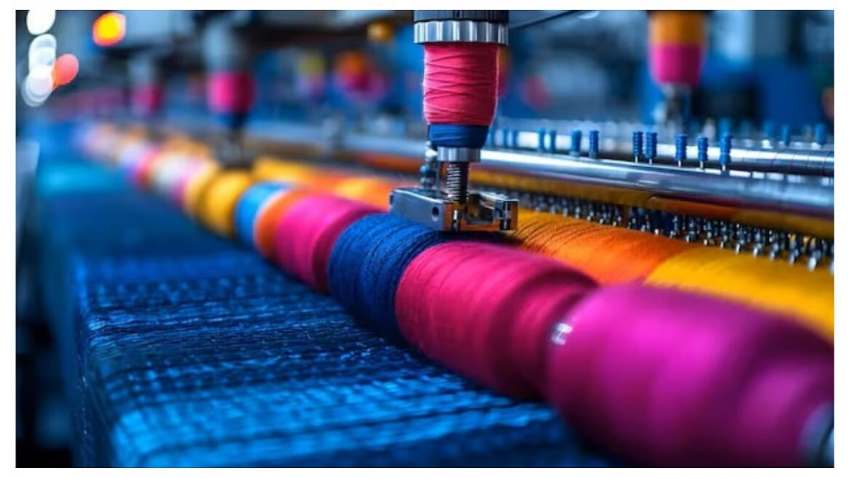
Despite the opening of LCs, local spinning mills are now facing a cotton crisis owing to an untimely supply of cotton as a number of local agents, through whom they placed the cotton import orders to international suppliers, have reportedly sold the key clothing raw material to others.
Spinners are not getting cotton shipments even though 3-4 months have gone past since deadlines ended. They are now trying to reach out to international suppliers, but in most cases, there is hardly any response.
To cope with the situation, some spinning mills are having to source cotton locally at higher prices. Cotton price has now increased to $1.65 per pound from $.95 six-seven months ago.
Bangladesh mainly imports cotton from Louis Dreyfus Company, Olam International and Cargill Cotton.
BTMA is planning to make separate rules for cotton imports says, MdKhorshedAlam, Chairman - Standing Committee on Development for Local Spinning, Weaving, Dying and Printing Mills.
Bangladesh imports about 9 million bales of cotton annually, which meets 98 per cent of its annual demand. There are more than 1,500 BTMA member textile mills in the country. Of them, 433 are yarn manufacturing mills.
United States’ kids clothing imports rise 21.34%during Jan-Feb’22
United States imported 21.34 per cent more children’s clothing to $485.48 million in January-February of this year. As per an Apparel Resources report, the country increased imports from China, India, and Vietnam dramatically, while those from Bangladesh increased very little.
During January-February this year, US kidswear imports from China increased by 24 per cent Y-o-Y to $119.74 million, while imports from India increased by 24.81 percent Y-o-Y to $76 million. Combined, India and China accounted for roughly 41 per cent of US kidswear imports in the first two months.
Following a 10 per cent drop in children’s clothing shipments to the United States in January of this year, the United States’ imports of children’s apparel from Vietnam increased by 20 per cent to $69 million in January-February of this year. During the same year, Bangladesh’s exports to the United States increased by 4.37 percent to $50.39 million.
Startasys launches first 3D printer for D2T printing
Stratasys is launching the first 3D printer designed specifically for direct-to-textile printing.
The Stratasys J850 TechStyle has been developed to meet the unique needs of design and fashion manufacturers which include 3D printing for high-end, premium textiles and clothing, bags and accessories and footwear.
Stratasys is providing designers and fashion brands with the ability to differentiate their manufacturing practices through the unique versatility and productivity of the Stratasys 3DFashion solution which includes printer, workflow software and materials that support the individual needs of fashion manufacturers. This solution opens unlimited possibilities to personalize and customize 3D-printed fabric pieces, including limited editions and digital automation.
To further extend the reach of the J850 TechStyle, Stratasys has joined forces with a series of partners, including Dyloan and the D-house in Milan. A top innovation centre for evolving fashion technology, D-house demonstrates the versatility of 3D printing applications from concept design through production using Stratasys 3DFashion technology.
The J850 TechStyle 3D printer is designed to print directly on a variety of fabrics and garments, including denim, cotton, polyester, linen and leather at volumes ranging from single pieces to the tens of thousands.
Global shipping backlog to extend for more years
The global shipping backlog is threatening to extend for many more years as renewed lockdowns in China slow trading to a crawl at some of the largest ports in the world.
Shanghai, the largest city in China and the busiest container port in the world, is in full lockdown as authorities face yet another wave of COVID-19. Off the coast, a growing number of cargo ships sit idle waiting to make landfall and unload. Josh Lamb, President, Australian Council of Wool Exporters and Processors said the problem was not just that wool was stuck on ships.
He said the industry had already been dealing with “logistics problems” and thought “some relief” would arrive in 2023 before the latest hiccup.
Paul Zalai, Director, Freight and Trade Alliance and Secretariat, Australian Peak Shippers Association said trade had already been backed up before China locked down.
Australia’s relative size and lack of domestic shipping have put the country directly into the firing line. Zalai said Australia was yet to feel the potential impact. The shipping lines have actually been a winner out of all of this, after years where they were really struggling, they’re really making up for lost time now and reporting multi-billion-dollar profits, he added.
He said as the backlogs grow, companies would have to start making difficult business decisions.
US footwear sales decline 12 per cent in Q1 FY2022
Unit sales of the US footwear industry declined 12 per cent in Q1 FY2022 while revenues declined 3 per cent as average prices increased 11 per cent. Compared to Q1 2019, revenue for the quarter increased by 3 per cent while unit sales declined by 10 per cent. In addition to the missing additional income from stimulus money, inflation fears might be driving some of the softness in the footwear industry this year.
Sales of some top footwear brands have softened, versus last year, and is underperforming compared to the rest of the market. There is a lot of activity in the footwear industry, particularly in the athletic space, as up-and-coming brands and new styles and technologies are being launched. Revenue from women’s footwear increased 4 per cent in Q1 while men’s segment saw a dip of 6 per cent, and children’s 12 per cent The average selling price (ASP) for women’s footwear increased more than other categories, which fueled its revenue increase.
Revenues in the sport leisure footwear category declined in the mid-teens in Q1, with units down in the high teens and average selling prices higher by mid-single digits. Nike’s sport leisure sales declined by about 25 per cent, while sales of Jordan and Adidas dropped in the mid-teens.
Sales revenue from fashion footwear, including dress, casual, and slippers, grew 11 per cent, as unit sales fell by 11 per cent. The only fashion segment to post unit sales growth was slippers, with sales rising across all wearers.
Within the fashion category, revenue from private label brands declined slightly. Crocs’ sales grew 9 per cent and Steve Madden’s sales grew 57 per cent, due to rising sales for sandals. Skechers sales declined 14 per cent.
Q2 aims to return to more pre-pandemic behaviors, such as more in-person work, travel, and attendance at events and gatherings. This will push up footwear sales in the fashion segment, while interest in fitness and the outdoors will help to drive the athletic business. However, macro pressures on the consumer combined with tough comparisons from 2021 will likely curb growth.
ICEX Spain Trade and Investment to organize SpainFashion Lab London
ICEX Spain Trade and Investment will organize the SpainFashion Lab London event from May 17-18, 2022 at Mortimer House in London. The event will showcase a range of handbags, footwear, evening wear, ready to wear and swimwear, from eight brands in the UK.
Brand MIM will showcase a range of vegan footwear including vegan sneakers and ankle boots as well as high-heeled sandals and espadrilles, for women between 18 and 35 years old. MIM´s designs are launched in two major collections, Autumn/Winter and Spring/Summer, along with two other smaller collections which are added mid-season. Sustainable bag and accessory brand Hemper, will showcase 100 per cent compostable products that have been handmade from natural hemp sustainably sourced in Nepal, using natural dyes made from local minerals and plants achieving unique colors.
Beach wear brand Dolores Cortés is available in over 1,500 stores in more than 15 countries. It is also distributed through more than 200 department stores and has 12 standalone stores in Spain.
Created from natural raw materials of the highest quality, Siyt’s s collections strike the perfect balance between subtle elegance and carefree charm. The brand also has an exclusive summer range, including swimming costumes and bikinis. PETA approved handbag brand Canussa, is committed to the use of non-animal-derived fabrics and has been awarded the coveted ‘Vegan PETA Approved’ certification.
Premium ready to wear and coat brand Cyrana was founded by Elisa Álvarez García in 2017. The brand brings cutting-edge versatility that combines uncompromising craftmanship and luxury with casual so that the transition from day to night is effortless. Ready to wear brand Missing Johnny is available in 23 countries with almost 700 stockists. The brand makes two collections per year, Autumn/Winter and Spring/Summer. Minidresses and T-shirts are key pieces, featuring a powerful design and color range in which red and green mix together between black and white contrasts.
Award-winning designer, Susana Lirola creates a strong ethos of elegant design, fusing traditional Spanish craftsmanship with modern craft techniques. Her creations are known for their uniqueness, style, luxury and comfort.
Tiruppur exporters protest yarn price hike, plan strike
Owners of garment units in Tiruppur have announced a strike from May 16 to 21 to protest against the surge in yarn prices despite removal of import duty. Mohan Shankar, Proprietor, AK Fashion Garments said, most garment units in Tiruppur depend on other units for processing such as dyeing, printing, knitting, and embroidery. Increase in yarn price affects all segments of the industry directly. Hike in yarn prices also impacts business deals with foreign buyers, eroding exporters’ profit margins, he adds.
Raja N Shanmugham, President, Tiruppur Exporters Association (TEA) urged the Union government to ban cotton and yarn exports immediately till prices stabilize. D K Venkatacham, Special Advisor, Tamil Nadu Spinning Mills Association (TNSMA) opined, cotton hoarding by North India traders is creating cotton scarcity, leading to a hike in prices. The removal of import duty seems to have had no effect on the traders.
Immediately after the announcement of the duty removal, cotton prices dropped to Rs 96,000 per candy and at Rs 98,000 per candy for some days. But, as cotton availability reduced, prices began to rise. The current price of cotton candy is around Rs 102,000.
Tom Doerr named Kontoor Brands’ new Executive VP, General Counsel and Corporate Secretary
Global lifestyle apparel company with a portfolio led by iconic consumer brands, Wrangler® and Lee®, Kontoor Brands Inc. has appointed Tom Doerr as Executive Vice President, General Counsel & Corporate Secretary with effect from June 6, 2022. As per a Textile World report, Doerr will ensure upholding of the highest standards of integrity, ethics and behavior consistent with the organization’s values and mission at Kontoor Brands. He will also oversee fundamental legal and business functions such as compliance, legal strategy, issues identification, crisis management and global trademarks and intellectual property oversight.
Doerr will also serve as counsel to the Board of Directors. As a member of the company’s Executive Leadership Team, Doerr will report to Scott Baxter, Chairman, CEO and President, Kontoor Brands. Armed with 20 years of impressive professional experience, Doerr offers an invaluable global perspective to Kontoor’s growth, says Baxter. He has a vivid experience in compliance, litigation, risk management and other corporate matters for publicly-traded companies.
Doerr joins Kontoor from The Manitowoc Company Inc. where he served as the Executive Vice President, General Counsel and Secretary since November 2020 and Senior Vice President, General Counsel and Secretary since November 2017. Prior to that, he was Vice President, General Counsel & Secretary, Jason Industries Inc. and Associate General Counsel, The Manitowoc Company Inc.
H&M to collaborate with TextileGenesis for a traceability program
Swedish fast-fashion giant H&M plans to collaborate with blockchain –based platform TextileGenesis to expand its traceability program by including all man-made cellulosics and recycled polyester. As per a Business of Fashion report, the initiative will help H&M trace almost 20 per cent of its material base by volume, with the brand planning to increase this figure further. H&M also plans to continue testing ways to scale its traceability efforts.
Fashion companies are rarely able to trace the origins of the raw materials they use to make their clothing. This makes it difficult for brands to know their full environmental impact and raises risks of using materials produced by forced labor. Recipient of H&M’s ‘Global Change Award in 2020, TextileGenesis uses blockchain to bring visibility to the supply chain. Using a token called a ‘Fibercoin,’ the company is able to track materials as they progress from fibre to finished product.
J Crew extends Liberty of London partnership into home products
Having collaborated with Liberty of London on clothing lines for over 10 years, J Crew now plans to extend the partnership into home products. As per a Textile Value Chain report, J Crew’s association with Liberty of London incorporates decorative liners, placemats and napkins. It focuses on innovative prints that would be extended to the home furnishings, assortment, says Olympia Gayot, Head-Women’s Department. The prices of these assortments start at $29.50 for a rest veil and maximize at $258 for an all-cotton jumbo sheet set.
This is J.Crew’s first involvement in home furnishings while the Liberty of London had earlier teamed up with Target Stores in 2010. A four-day special spring up shop set up by the two companies in mid-town Manhattan was picked clean of product in only two days and needed to close its entryways.
In 2017, the UK brand associated with Anthropologie for a 40+-piece assortment that included shower, bedding, tabletop, equipment, home stylistic theme, home aromas, kitchen cloths, writing material and furniture.