


FW
Bangladesh suppliers lose $3.7 billion orders due to COVID-19
The pandemic has hit Bangladeshi clothing suppliers hard as British fashion retailers cancelled orders worth $3.7 billion. BGMEA figures suggest, around 1,931 global fashion brands cancelled their orders during the period as non-essential stores were forced to close in March. The value of the canceled orders from fashion retailers totaled about $984 million, says the BGMEA report. Many of these retailers had just then taken their spring and summer collection deliveries.
Data from Traidcraft Exchange shows, prominent UK suppliers like Primark, Mothercare and Debenhams, canceled $1 billion orders by June. In comparison, US retailers canceled orders worth $500 million while German, Swedish, Dutch, French and Spanish retailers canceled $100 million orders each. As per a Times report, brands like Marks & Spencer, Tesco, Inditex and H&M have committed to pay in full for orders completed and in production. Primark, meanwhile has committed to pay for all outstanding orders. Traidcraft said retailers had demanded suppliers delay their shipments until the next season. That would make the companies incur extra warehouse costs, says the report.
The pandemic forced many businesses to shift toward a B2C or a direct-to-consumer (D2C) model. According to Steve Dentorn, CEO, Ware2Go, the shutting down of stores during the initial part of the pandemic made it necessary for clients using distribution channels to find new ways to get their materials out.
Sustainability can help global fashion industry triple bottom lines
 The pandemic has exposed extreme fragility of the fashion industry. However, it has also sharpened focus on negligent supply chains and business operations, some glaring facts should concern global citizens, says a report by Quint. To bring the industry out of the COVID-19 mess, the International Labor Organization has introduced a non-binding ‘COVID-19 Action Plan’ for the garment industry. The plan emphasizes on open communication with suppliers, support for factories and payment for finished and partially-finished goods.
It is common for garment factories to make their workers work overtime and deny even a minute’s relief from work. Research by Indonesia’s Sedane Labor Resource Centre shows, garment factory workers are being forced to produce 80 to 90 pieces every 23 minutes. A report by the Thomson Reuters Foundation also indicates, Indian female factory workers are being given unmarked pills to help with period.
New initiatives to promote stronger supply chains
Concerned over abysmal working conditions, fashion advocates have launched the #WhoMadeMyClothes initiative to promote a stronger fashion supply chain. Industry leaders such as Giorgio Armani and Ellen MacArthur have also voiced their support for slow fashion. Ellen MacArthur Foundation launched the Make Fashion Circular initiative that is being upheld by brands such as GAP, Burberry, H&M, Nike, and Stella McCartney. The initiative promotes clothes recycling and use of renewable clothing materials.
One of the world’s most commonly worn garments, cotton T-shirts require around 3,250 liter water for one single piece, which according to the World Wildlife Fund, is equal to three years of drinking water. On the other hand, a leather shoe requires four times the amount of water required by a cotton T-shirt while a pair of jeans requires 3 times.
Call for consumer participation
As per the Quint report, consumers can help fashion industry to slow down its activities by investing in good quality clothes and preserving them for a longer period. This will help the industry reduce garment’s water footprint by around 10 per cent.
Consumers can also reduce water pollution by buying only certified organic cotton clothes or those made using waterless dyeing techniques and low-impact dyes. Additionally, they can use eco-friendly clothing materials such as bamboo or hemp to help save 50 per cent of water usage.
Beyond extending an identity, the pandemic offers the industry an opportunity to streamline its current practices and promote sustainable supply chains. To triple its current bottom line, the industry needs to invest in creating a sustainable fashion future.
Boohoo takes actions against labor exploitation in Pakistan factories
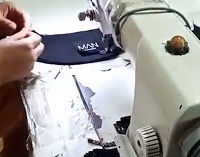 A new video footage released by the Guardian accuses fast fashion brand Boohoo of selling clothes made by two Pakistan factories accused of labor exploitation.
Long hours and no pay
Workers in these factories are paid much less than the legal minimum wage of Rs 17,500 in Pakistan currency for unskilled labor. They also face safety issues like motorbikes being parked indoors next to flammable materials and being made to work for 24-hours shifts. Though Boohoo claims, a third-party audit by AH Fashion on November 2 has cleared the factory of all allegation, workers allege being paid far less than the legal minimum wage and not receiving any payslip to record their income. Workers at the Madina Gloves factory also allege being made to work for 24 hours at a stretch before major deadlines. They also report Boohoo is not providing them proper accommodation.
Safety concerns at factories
The video footage shows piles of fabric stacked up near a boiler and motorbikes parked next to cardboard boxes. Workers at the AH Fashion factories are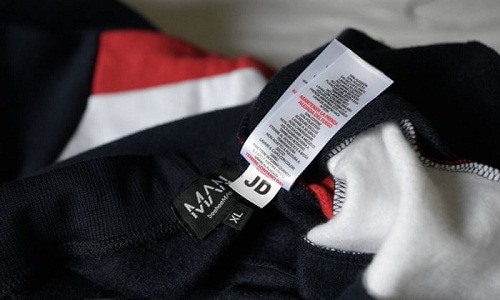 shown working in a under construction factory with scaffolding hanging and piles of bricks. Both the factories denied these allegations claiming they pay their workers according to local labor laws. Preston-based intermediary JD Fashion has also declined supplying goods to Boohoo as has Madina.
Auditors also raised concerns over safety issues in both factories. One of the auditors refused the video footage as conclusive evidence. However, another advised Boohoo to pull out of the factory immediately.
The video report also accuses Boohoo’s Leicester suppliers of making their workers work in cramped conditions during the first COVID-19 lockdown and paying them much below the prescribed minimum wage. Boohoo accepted the recommendations of a report from Allison Levitt QC suggesting it would take a similar approach in Faisalabad. It’s AH Fashion factory was audited by the SMETA [Sedex Members Ethical Trade Audit] audit in November 2020, and hence the brand is extremely concerned about these allegations.
To verify these allegations, Boohoo has deployed independent compliance and auditing specialists Bureau Veritas in Faisalabad and instructed them to immediately investigate these claims. The brand has refused to be associated with suppliers who do not treat their workers with respect.
Mango to expand brick-and-mortar stores in the US
Spanish fashion retailer Mango is all set to enhance its bricks-and-mortar presence in the US.
As per Apparel Resources, the clothing retail giant plans to roll out 3 stores in the first quarter of next year.
Notably, the new stores will be opened in 3 major US shopping centres that are run by the renowned Simon Property Group.
The Spanish retailer strategically picked the three locations – Menlo Park Mall, Edison, New Jersey; Dadeland Mall, Kendall, Florida and Roosevelt Field, Garden City, New York – to expand its ‘Mediterranean’ label to US consumers.
The retailer has been continuously putting efforts to improve its brand recognition in the US through digital and wholesale network and now the focus is on enhancing the presence of its physical stores.
Zachary Beloff, National Director of Business Development, Simon, said that Mango is a world famous brand and has a strong bricks-and-mortar future in the US.
PRGMEA urges government to abolish import duties on fabrics
Adeeb Iqbal, Vice Chairman, PRGMEA has urged the government to also abolish duties on the import of fabrics as well as the denim fabric in line with the import relaxation provided on import of cotton yarn, as value-added garment sector is facing severe shortage of basic raw material of fabrics, which may lead to a drastic decline in value-added textile export.
Iqbal said that the garment industry has received a huge number of export orders, however, exporters are unable to finalize them due to unavailability of fabric, especially the denim fabric in the country.
Iqbal said the removal Regulatory Duty on import of cotton yarn will accelerate the country’s textile exports. He called for steps for the removal of hurdles hindering exports of garment sector. According to him, non-availability of latest fabric locally hinders product development by the garment sector for export market, adding that foreign buyers were demanding new garments on G3, G4 and technical fabric raw material which are neither available nor produced by Pakistani weavers.
Fashionista to hold eight shopping fairs in Tier II cities
Business-to-customer shopping fair Fashionista will hold eight shopping fairs in Tier II cities such as Raipur, Bilaspur, Gondia, Nagpur, Akola, and Amravati in January and in Lucknow and Kanpur in February, 2021.
As per Fashion Network, these fashion shopping fairs will help the event introduce branded fashion to non-metro cities. Fashionista will begin 2021 with a shopping event in Raipur from January 12 to 14 at the Grand Imperia featuring womenswear, accessories, jewellery, and lifestyle goods.
From January 16 to 17, Fashionista will take place at Bilaspur’s Courtyard Marriott. Then, from January 19 to 20, it will at Gondia’s Grand Sita hotel.
From January 22 to 24, Fashionista will bring its brand selection to Nagpur’s Centre Point then from January 26 to 27, it will take place at Akola’s Shagun. To finish up the month, the event will take place from January 28 to 29 at Amravati’s Grand Mehfil.
In the next month, Fashionista will take place at Lucknow’s Clarks Avadh from February 5 to 7. Finally, from February 9 to 11, it will take place at Kanpur’s Royal Cliff.
UKFT signs £7.4 billion FTA with EU
UKFT has signed a FTA with the EU, biggest market of the UK fashion and textiles industry. The FTA will enable UK to supply £7.4 billion worth of fashion and textiles to the EU every year besides helping it create thousands of jobs and hundreds of companies.
UKFT has urged the UK government to help the sector meet its current challenges and invest in its long term future. As per Nigel Lugg, Chairman, UKFT will be work with its members to help the industry maintain and grow its exports to the EU and the rest of the world.
The UK Fashion & Textile Association (UKFT) is the most inclusive network for fashion and textile companies in the UK. The association brings together designers, manufacturers, suppliers, agents and retailers to promote their businesses and the industry, both in the UK and throughout the world.
Bangladesh: Clean Clothes Campaign accuses RSC of compliance failure
Global rights group, Clean Clothes Campaign has accused RMG Sustainability Council (RSC) of failing to honor its commitment to recruit a boiler inspector. However, as per Bangladesh Garment Manufacturers and Exporters Association (BGMEA) claims, RSC remains committed to boiler safety inspection program first initiated as a pilot in 2018.
Accord brands and unions have agreed with the BGMEA to roll-out of the boiler safety program at the start of the RSC's establishment, the association said. The association said, RSC has also committed to recruit an independent chief safety officer as mentioned in the Transition Agreement. However, BGMEA falsely claimed that the RSC is founded on the core principle that its governance structure brings together all critical stakeholders in one single platform with equal voice and authority, said the rights group.
In reality, of the RSC's 18 governing board directors, 12 are representatives of financially-vested companies while workers' representatives make up only a third of its members. Moreover, the BGMEA claimed that RSC remains fully committed to a high level of transparency as practiced under the Accord.
In reality, unlike the Accord, the RSC's website, six months after the organization's inception, provides none of the following information: factory-specific remediation data, aggregate reports, nor minutes of its board meetings, it said.
Responding to these allegations, Rubana Huq, President, BGMEA, said, the association cannot afford to have unsubstantiated commitments to build safety in Bangladesh, especially when the industry is key to its survival.
Huq also denied stopping the pilot program for boiler safety and said the government has laid out inspection standards and engineers ready to engage with RSC on boiler inspections.
Louis Vuitton emerges the most sought after brand: UK study
As per a study based on Google search data, luxury leather goods brand Louis Vuitton tops the list of most sought-after brands in 47 countries worldwide. Compiled by Money.co.uk, the study ranks Gucci in second place as the most popular fashion brands in 13 countries, far behind Louis Vuitton. The Italian brand — which made the news several times this year, notably with the launch of its mini-series co-directed by Gus Van Sant — tops searches in Japan, Mexico, Peru, Bolivia, Colombia and Italy.
In third place, Chanel is the most popular brand in 12 countries. The French fashion brand doesn’t take the number one spot anywhere in Europe, but storms ahead in Asia, notably in Bali, Hong Kong, Indonesia, Laos and Thailand.
Calvin Klein tops the list in 11 countries, including Russia, Ukraine and Chili. Coach takes sixth place and is the most popular label in Brazil and Saudi Arabia, while Loewe — further down the top 10 — is a favourite in the US and Canada.
Liberty Retail incurs net loss in FY2019-20
Though Liberty Retail — the company that operates Liberty London’s flagship store and webstore — increased its revenue and gross profit in FY 2019-20, it still made an operating and net loss for the period, albeit both of those latter figures were narrower than in the previous year. As per a Fashion Network report, the company’s revenue rose to £93.14 million from £85.22 million during the year while its flagship sales per square foot rose to £1,309 from £1.234. Its gross profit reached £45.3 million, up from £42.8 million and its operating loss was £4.19 million, less than the loss of £8.53 million a year earlier. Its pre-tax loss was £6.7 million, down from £8.58 million and the net loss was £8.34 million after a loss of £11.24 million in the previous year.
The company continued to refurbish its flagship store during the year, refreshing the dress fabrics and fragrance areas, as well as other parts of the store that customers don't see. And its Liberty Online operation saw "significant growth" due to improvements in logistics processes, website functionality, stock range and availability.
Its parent company Liberty Zeta remains committed to supporting it and has accessed extra financing too. Liberty signed up for an additional credit facility of £15 million back in July linked to the UK government’s COVID business support scheme. And its shareholders have a further £5 million contractually committed should its financial covenants look shaky.
In the current financial year, Liberty’s website experienced a significant increase in demand, although this hasn't fully offset the impact of closing its store.











