


FW
Upcoming Yarn Expo in Shanghai ready to connect buyers with global suppliers
To be held from March 6-8, 2024 at the National Exhibition and Convention Center in Shanghai, the upcoming Yarn Expo Spring promises a vibrant showcase of the latest in cotton yarn production. To be organised by Messe Frankfurt (HK) and the Sub-Council of Textile Industry, CCPIT, the shows brings together international players to fuel business opportunities across the cotton sub-sector.
Over 500 exhibitors from 11 countries will showcase a wide range of cotton yarns and related products, including pure cotton, viscose blends, recycled and organic options.
The trade show will host an India Pavilion featuring 32 exhibitors led by Texprocil. The pavilion will showcase leading Indian suppliers like Amar International, Excel Enterprise, and Siddhi Sales Corporation.
Newcomers like Blinks International (Pakistan), PT. Bintang Makmur Sentosa Textil Industri (Indonesia), and RÜTEX GmbH (Germany) will present their offerings to a global audience at the trade show.
Held alongside other textile fairs, the expo offers synergy for exhibitors and buyers, allowing them to explore a broader range of textile products and services. It provides a valuable platform for the global cotton yarn industry, connecting buyers and suppliers, fostering innovation, and driving market growth.
Ralph Lauren beats revenue expectations for 12th straight quarter
Defying economic jitters, Ralph Lauren exceeded the revenue expectations by Wall Street for the 12th straight quarter. The success of the iconic American brand success was driven by factors including a luxury boom in the US.
Wealthy shoppers in the US indulged in Ralph Lauren's classic sweaters and shirts, boosting sales despite economic concerns. This trend aligns with similar strong performances by other luxury brands like LVMH and Cartier.
While some brands faced sluggish wholesale business, Ralph Lauren's focus on direct sales helped mitigate the pressure. This strategy gave the company greater control over brand experience and pricing.
China continued to be key growth driver for Ralph Lauren with a 30 per cent surge in sales. This also reflected a recovering Chinese economy and growing demand for luxury goods.
Ralph Lauren's financial performance reflects its strategic positioning and ability to capitalise on key market trends. The company's strong showing bodes well for the future of the luxury sector, particularly with its focus on direct-to-consumer channels and targeted markets like China.
Poland becomes key intermediary for Bangladesh garments to Russia
Poland has emerged as key intermediary to import garments from Bangladesh and re-export them to Russia. Data from the Export Promotion Bureau, show, Poland’s apparel imports from Bangladesh surged by 19 per cent Y-o-Y to $884 during n July-Dec 2023. On the other hand, Russia's direct apparel imports from Bangladesh dropped by 27 per cent in 2022-23.
Boosted by EU’s duty-free scheme, Poland's apparel exports to Russia crossed $1 billion in 2020-21. Exports of knitwear and jumpers surged despite the Russia-Ukraine war. .
Western sanctions restrict direct trade between Russia and some suppliers. However, Poland's proximity to Russia facilitates road transport of garments, says Mohammad Hatem, Executive President, BKMEA. The country also benefits from duty-free exports under the EBA scheme, he adds.
This trade loop allows Bangladesh to continue exporting garments to Russia despite sanctions. It also enables Poland to increase its trade volume and potential profits. However, the sustainability of this trade loop depends on Poland's willingness to act as an intermediary.
Primark expands US presence with new distribution center and store openings
International Irish clothing retailer Primark is opening a new distribution center in Jacksonville, Florid.
Boasting an over 550,000 sq ft warehouse space, the newly inaugurated distribution center is situated in in North Jacksonville. This is Primark’s second distribution center in the US, in addition to Bethlehem, PA. Its opening aligns with
Primark’s vision to strengthen its presence in the US, particularly in the Southern states including Florida and Texas.
Primark also plans to open four new stores at prominent locations including Potomac Mills in Woodbridge, Virginia; Mall at Prince George’s in Hyattsville, Maryland; CoolSprings Galleria in Franklin, Tennessee; and Katy Mills in Katy, Texas.
There is a growing demand for Primark stores across the US, particularly in the southern locations, says Kevin Tulip, President, Primark US.
The retailer plans to further expand its footprint in Florida by opening new stores in Orlando and beyond. Primark currently operates 24 stores across nine states in the US. It plans to expand its store network in the country to 60 by 2026.
India's textile ambitions take shape at Bharat Tex 2024
Textile giants from across the globe are converging in India for Bharat Tex 2024, touted as the country's biggest textile expo. The event is expected to host over 3,000 companies, including Swedish giant H&M, American retailer Target, and British thread maker Coats Group, who will showcase their products at the fair.
Aiming to catapult India's textile exports, the expo will prove to be a crucial stepping stone towards achieving ambitious targets including $40 billion in apparel exports by 2030 and overall exports reaching $100 billion. The industry itself is poised for significant growth, with expectations of economic output reaching $250 billion by 2030.
Inaugurated by Prime Minister Narendra Modi, the expo will feature a diverse range of products, from fibre and yarn to handicrafts. Around 2,000 weavers and artisans will also display their unique creations, highlighting India's rich textile heritage.
Leading Indian companies like Aditya Birla Group, Reliance Group, and Arvind Fashion will be present at the expo, alongside international delegations from key textile hubs. This event promises to be a hub of collaboration and business opportunities, propelling India's textile industry towards a bright future.
New payment law for MSMEs shakes up India's textile trade
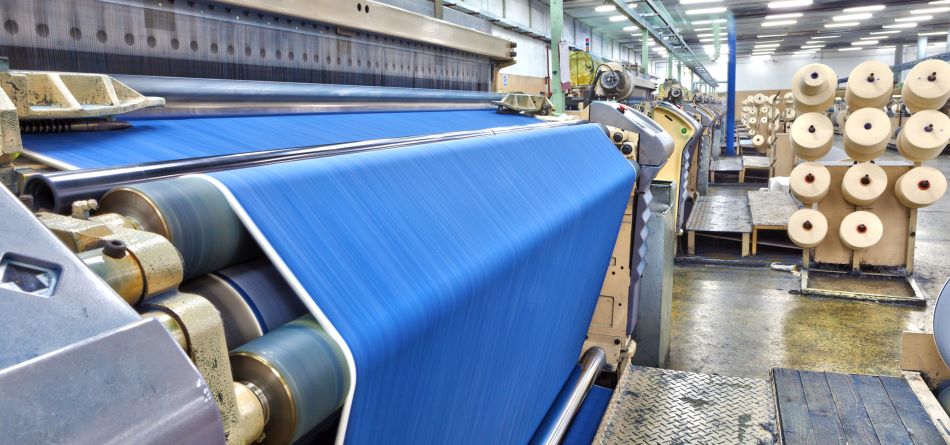
India's textile industry, a major contributor to the economy, is facing a ripple effect due to a new amendment in the Companies Act 2023. This amendment, aimed at improving liquidity for Micro, Small, and Medium Enterprises (MSMEs), mandates faster payments to these entities. While the long-term benefits are debatable, the immediate impact has been disruption and uncertainty in the trade, particularly for yarn and other textile products.
The new amendment and its affects
The Amendment in Section 43B(h) of the Income Tax Act now requires tax payers (businesses registered under Companies Act 2023) to pay micro and small enterprises (MSMEs) within 45 days (with a written agreement) or 15 days (without a written agreement). As an expert points out the law is a positive step towards empowering MSMEs, but the government needs to provide support and guidance to ensure smooth implementation.
However, this change has caused confusion and short-term disruption in textile trade. Some buyers are avoiding purchases in the current fiscal year to avoid tax implications. Indeed, proponents argue the law will improve cash flow for MSMEs, boosting their financial health and growth potential. However, critics highlight the practical difficulties of adhering to the strict timelines, especially in industries with established longer credit periods. Additionally, the onus of verifying supplier registration under the MSME Act adds to its complexity.
It may be noted that the Indian textile industry contributes over 7 per cent to the GDP and employs over 45 million people. MSMEs account for over 90 per cent of textile units in India, highlighting their significance. Traditionally, the textile industry operates on credit periods ranging from 60 to 120 days. With the change in rule initial reports suggest a decline in new purchases and order cancellations.
New rule overview
| Feature | Description |
| Amendment | Section 43B(h) of the Income Tax Act |
| Applicability | All purchases from registered MSEs |
| Payment Deadline | 45 days (written agreement), 15 days (no agreement) |
| Consequence of Late Payment | Unpaid amount becomes taxable income for buyer in next year |
| Effective Date | April 1, 2023 |
Weighing in the pros and cons
Indeed, there are pros and cons of this change. While supporters say, the change means improved cash flow and financial stability for MSMEs; reduced dependence on credit and potential for expansion; increased bargaining power and fairer market practices. For example, a textile manufacturer in Surat, struggling with delayed payments from large buyers, welcomes the new law as a potential game-changer for their business.
However, critics argue, potential loss of business due to stricter payment terms; increased administrative burden for documentation and verification. As a garment exporter in Delhi expresses his concern about the practical challenges of implementing the new payment terms, particularly with overseas suppliers.
Similarly for buyers, the pros are compliance with the law and avoidance of tax implications; potential for long-term cost savings due to reduced interest payments. The cons on the other hand are: short-term disruption in established business practices; difficulty in adjusting to shorter credit periods; increased risk of stockouts and production delays
The new payment law for MSMEs in India has sparked a debate within the textile industry. While its long-term benefits for financial inclusion and MSME growth are undeniable, the immediate challenges of disruption and adaptation cannot be ignored. A balanced approach, considering industry feedback and providing necessary support, is crucial for ensuring a smooth transition and maximizing the positive impact of this legislation.
Crossbreeding revolutionizes wool yarn market
In a dynamic textile landscape, the allure of wool yarn persists, driven by evolving consumer demands and innovative manufacturing practices. Crossbreeding emerges as a transformative force, propelling the wool yarn market to new heights of growth and versatility.
End users now demand exceptional quality, prompting manufacturers to redefine standards. Crossbreeding emerges as a solution, offering unparalleled yarn quality that surpasses traditional benchmarks.
Manufacturers are shifting from purebred to crossbred wool yarns, blending qualities for unprecedented versatility. This innovation disrupts conventional norms, opening avenues for diverse applications and opportunities.
Crossbreeding expands the market horizon, transcending traditional uses to cater to various industries. From lightweight apparel to novel applications, crossbred wool yarns redefine possibilities, heralding a paradigm shift in market dynamics.
Insights from Persistence Market Research illuminate the path forward, empowering industry leaders with a comprehensive understanding of market trends and growth potential. With strategic foresight, manufacturers can navigate the evolving landscape and capitalize on emerging opportunities.
The resurgence of the wool yarn market signals a turning point, fueled by evolving dynamics and consumer preferences. Manufacturers can harness this momentum by fostering partnerships and embracing innovation to secure their foothold in the market.
Woolen apparel leads the resurgence, catering to modern fashion needs with classic elegance and contemporary functionality. As consumer preferences evolve, manufacturers must adapt to meet diverse demands and industry trends.
Environmental consciousness drives manufacturers to adopt cruelty-free practices and promote sustainability throughout the supply chain. By aligning with consumer values, manufacturers bolster brand image and market position.
Collaboration is paramount in the competitive wool yarn market. While leading companies dominate, emerging players carve niches, driven by innovation and excellence, capitalizing on regional markets and demand for worsted wool yarn.
As the wool yarn market evolves, crossbreeding and innovation will shape its trajectory, promising growth and adaptation to changing consumer needs. With a commitment to excellence, manufacturers can weave a prosperous future for the industry, embracing opportunities for sustainable, quality-driven growth.
Oerlikon Riri redefines luxury craftsmanship in SS25 collection
Riri's expertise in luxury craftsmanship shines through in its accessories, enriching the offerings of top fashion brands. In the Spring-Summer 25 collection, Oerlikon Riri presents meticulously crafted zippers and buttons, enhanced by the technological prowess of Oerlikon Fineparts. Together, they form integral components of the Oerlikon Luxury business unit, delivering a diverse range of accessories that epitomize luxury, from timeless classics to bespoke pieces.
In the "Enhanced Classic" line, traditional luxury meets contemporary sophistication. Classic colors like gold, black, and beige are reinvented with metalized tapes and glossy enamels, while innovative finishes like PVD add a touch of modernity. The incorporation of sustainable materials like recycled polyester and organic cotton underscores Riri's commitment to timeless class with a conscience.
Meanwhile, the "Faced Marble" trend embraces modernity with geometric shapes and multifaceted designs. Marble-inspired textures and matte black PVD accents create a striking contrast, evoking an ethereal elegance suited for the contemporary fashion connoisseur.
As part of the Oerlikon Luxury business unit, Riri and Oerlikon Fineparts seamlessly collaborate to offer a diverse range of accessories, from classic to tailor-made, catering to the discerning tastes of the high-fashion market. With this collection, Riri reaffirms its position as a pioneer in luxury craftsmanship, blending tradition with innovation to create accessories that transcend trends and stand the test of time.
Spinnova stars at Beckmans fashion show in Stockholm
Spinnova, a pioneer in sustainable textile materials, took center stage at the Fashion Collaboration spring show by Beckmans College of Design, showcasing its eco-friendly fabrics in two standout collections.
Designed by burgeoning talents Emma Carling and Miranda Berg, the collections spotlighted seven captivating looks crafted in collaboration with Spinnova. Held at Gasverket, Doubble Space in Stockholm, the shows highlighted the experimental use of sustainable materials, marking a significant stride towards environmentally conscious fashion.
Emma Carling drew inspiration from the concept of glamping, blending glamour with outdoor allure using Spinnova's outdoor fabric. Miranda Berg, meanwhile, delved into the therapeutic potential of fashion, leveraging Spinnova's fiber known for its calming effect rooted in nature.
The Spinnova-infused garments feature a blend of Spinnova fiber and cotton, incorporating unconventional materials like horsehair. Notably, Spinnova fiber, derived from wood, boasts a production process free from harmful chemicals, aligning with sustainable practices.
Certified eucalyptus pulp further enhances its eco-credentials, reducing water consumption by 99 per cent and carbon dioxide emissions by 74 per cent compared to conventional cotton, as verified by third-party assessments.
Diana Balanescu, Brand Director at Spinnova, expressed excitement about collaborating with forward-thinking designers like Emma and Miranda. The partnership underscores Spinnova's commitment to fostering innovation and sustainability in the fashion industry.
National Cotton Council disheartened by court ruling on dicamba products
Arizona Federal court's ruling on dicamba products sparks dismay from the National Cotton Council, as it strips the label for over-the-top use, disrupting 75 per cent of U.S. cotton acres. The timing compounds the issue, hitting producers who've already committed to cropping decisions and preparations.
With no time to adopt alternative herbicide technology for 2024 planting, millions of acres face compromised production, worsening an already strained economic climate with prices falling below production costs.
Calling for an immediate EPA appeal, the Council emphasizes the ruling's potential to hinder technological progress and environmental gains, such as reduced greenhouse gas emissions. Urging swift action, they implore the EPA to explore every avenue to mitigate the looming economic fallout, underscoring the critical role dicamba products play in crop protection.
In the backdrop of agricultural uncertainty, the ruling's ramifications echo beyond the Cotton Belt, highlighting broader concerns about regulatory disruptions impacting industry stability and technological innovation.











