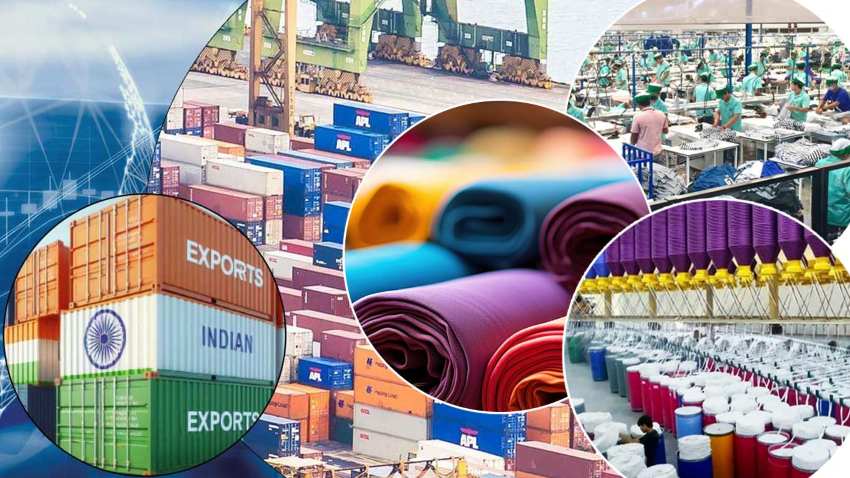
Global knit and woven garment exports reached $546.8 billion, underpinning nearly 60 per cent of the worldwide textile trade. This valuation reflects robust post-pandemic demand recovery and escalating manufacturing output across South and Southeast Asia. Industry analysts note, trade channels are modernizing rapidly, driven by e-commerce acceleration and the necessity for durable, wrinkle-resistant materials that survive extended supply chain transit times.
Material evolution and market preferences
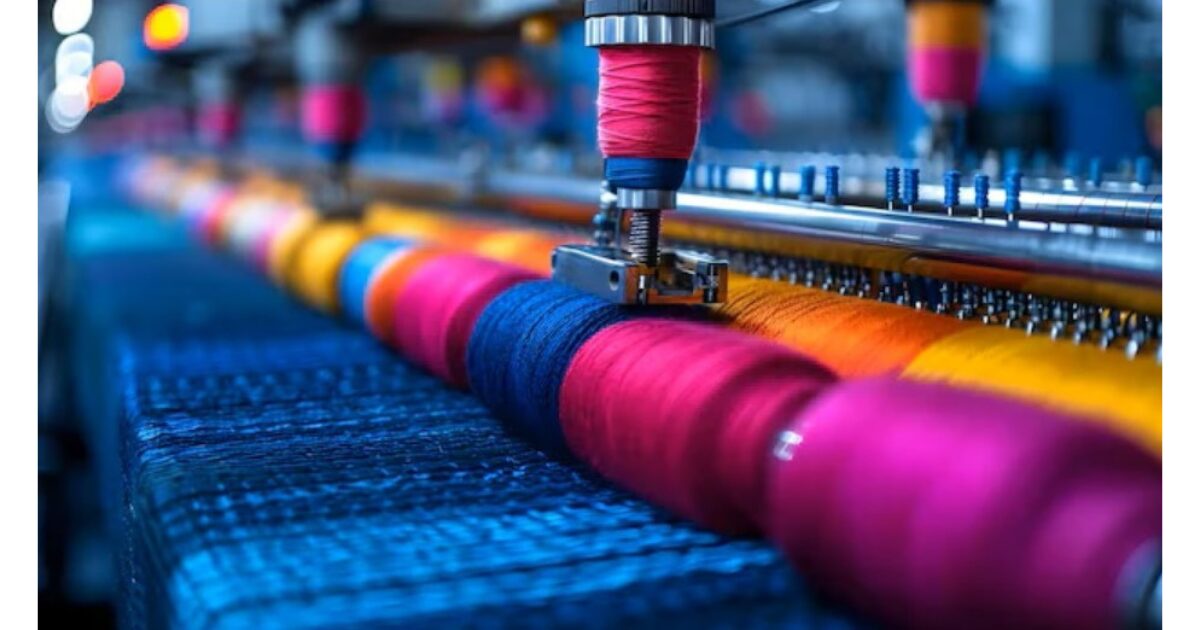
Polyester and nylon variants continue to displace traditional natural fibers, capturing a dominant share of apparel manufacturing. Synthetic fibers now anchor roughly 60 per cent of all clothing applications, propelled by superior moisture-wicking attributes essential for activewear and fast-fashion collections. Cost efficiency and performance consistency make synthetics indispensable for modern inventory cycles, remarks Elena Rostova, Senior Textile Analyst at Global Commodity Insights. Brands can no longer rely solely on cotton when consumer preferences demand high-performance utility.
Economic pressures and circular adaptation
Despite strong revenue generation, sector participants face margin compression driven by feedstock volatility in purified terephthalic acid and monoethylene glycol. To mitigate ecological scrutiny and comply with impending regulations, major fabric producers have scaled recycled polyethylene terephthalate output by over 20 percent. This structural shift balances economic viability with circular procurement mandates, redefining long-term operational strategies across international textile hubs.