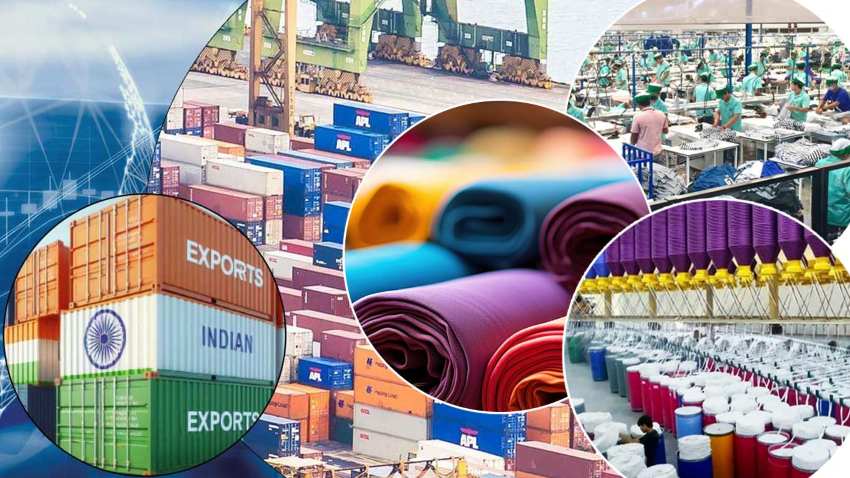
The international textile and apparel manufacturing sector is preparing for high-stakes dialogues as executives gather in Fortaleza, Brazil, for the joint summit hosted by the International Apparel Federation, the International Textile Manufacturers Federation, and the Brazilian Textile and Apparel Industry Association. With recent trade surveys indicating that 64 per cent of manufacturers view sluggish consumer demand as their primary operational hurdle, alongside 48 per cent citing geopolitical instability and 31 per cent pointing to tariff pressures, corporate leaders are actively restructuring supply chains to mitigate fiscal exposure. Fragmented trade policies and volatile raw-material costs require immediate cross-border collaboration to safeguard manufacturing margins, notes Sergio Carvalho, Senior Trade Analyst, Latin America.
Leveraging proximity and sustainable fiber innovations
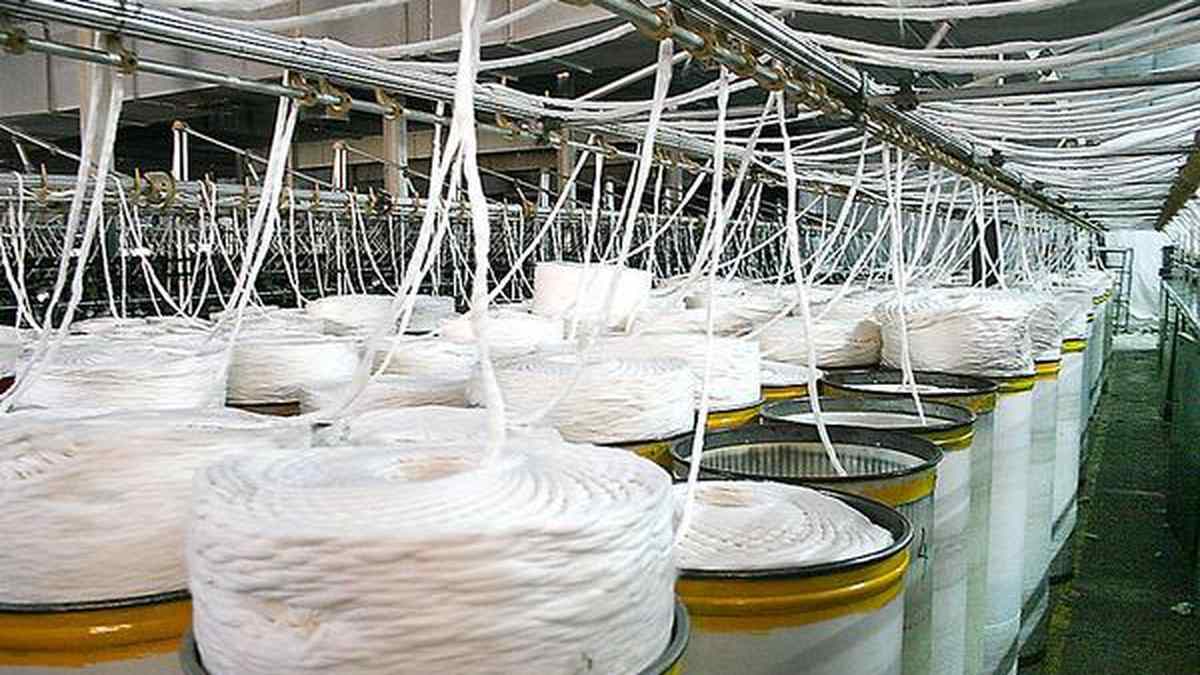
Amidst these economic pressures, the convention places significant emphasis on proximity sourcing and agile production models designed to minimize transit overheads. South American manufacturing hubs are positioning themselves as viable alternatives to traditional Asian production lines, boosted by robust raw material metrics. Brazil enters the high-level forum backed by substantial agricultural yields, having recorded 3.37 million tons of cotton exports valued at $5.3 billion during the previous commercial cycle. Industry panels will examine how vertically integrated supply chains can successfully stabilize apparel pricing and enhance inventory velocity for global retail brands.
Global textile industry infrastructure
Representing international apparel brands and textile manufacturers, the IAF and ITMF coordinate global industry research, policy advocacy, and economic intelligence. Established in the early and mid-20th century, these organizations unite cross-sector stakeholders to navigate evolving trade regulations, technological disruptions, and sustainable textile manufacturing transformations worldwide.