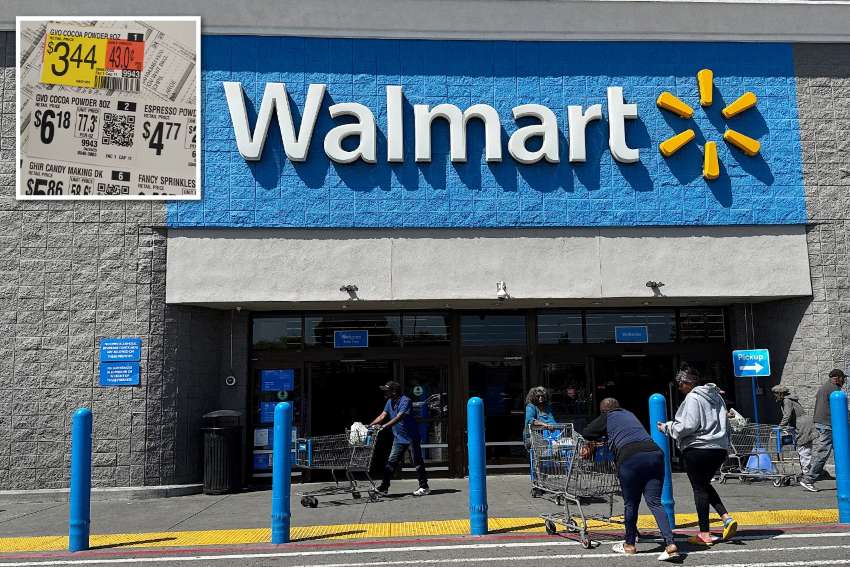
Walmart is making a fresh push to reshape its softlines business with the launch of ‘Scenario’, a proprietary womenswear label designed to capture fashion spending that currently leaves its business. The 280-piece collection spans modern bohemian apparel, footwear and accessories, with most products priced below $25. The range includes ribbed tops at $7.98, midi dresses priced below $30 and faux-leather accessories, positioning the label between everyday basics and more fashion-led specialty retail.
The strategy addresses a gap in Walmart’s business. Despite commanding the largest share of the US grocery market, consumer transaction data indicates that nearly 80 per cent of apparel dollars spent by its weekly grocery shoppers flow to specialty apparel chains, off-price retailers and digital platforms. Scenario is therefore less about adding another clothing label and more about increasing Walmart’s share of the wallet of consumers who already visit its stores regularly.
Fashion moves beyond basics
For long Walmart’s apparel business has concentrated around commodity-driven replenishment categories such as multi-pack underwear, basic cotton T-shirts and fleece. These categories have also tended to appeal more strongly to older shoppers. Scenario introduces a different proposition, using smocking, pintuck detailing and embroidery to create a more trend-oriented assortment without abandoning Walmart’s value positioning.
The move is supported by Walmart’s own consumer research, which found that nearly one in five female shoppers consider bohemian and romantic aesthetics a leading style preference. “We are on a journey to democratize fashion because we believe everyone should have access to beautiful clothes, regardless of their budget,” said Denise Incandela, Executive Vice President of Fashion for Walmart US. The proposition comes at a time when household budgets remain under pressure and consumers are looking for affordable alternatives to premium and mid-market fashion.
Private labels offer margin advantage
The bigger commercial opportunity lies in the business of proprietary brands. Walmart can use Scenario and its wider private-label portfolio to shift its apparel business away from dependence on third-party brands.
|
Transformation pillar |
Core mechanism |
Commercial impact on mass retail |
|
Gross Margin Accretion |
Shifting volume from third-party wholesale to proprietary softlines |
Private brands capture gross margins of 45% to 55%, compared to 25% to 32% for wholesale apparel and 18% to 22% for groceries |
|
Basket Multiplier Effect |
Merchandising coordinated outfitting adjacent to food essentials |
Adds discretionary $20 to $40 transactions to routine grocery orders, lifting average order value (AOV) |
|
Demographic Rejuvenation |
Deploying trend-forward micro-aesthetics (Boho, Western, Streetwear) |
Attracts Gen Z and Millennial buyers, reducing customer acquisition costs across digital and in-store channels |
|
Defensive Price Moats |
Sub-$25 pricing structure backed by direct-to-factory scale |
Protects market share against ultra-fast-fashion pure-plays (Shein, Temu) and off-price discounters (TJX) |
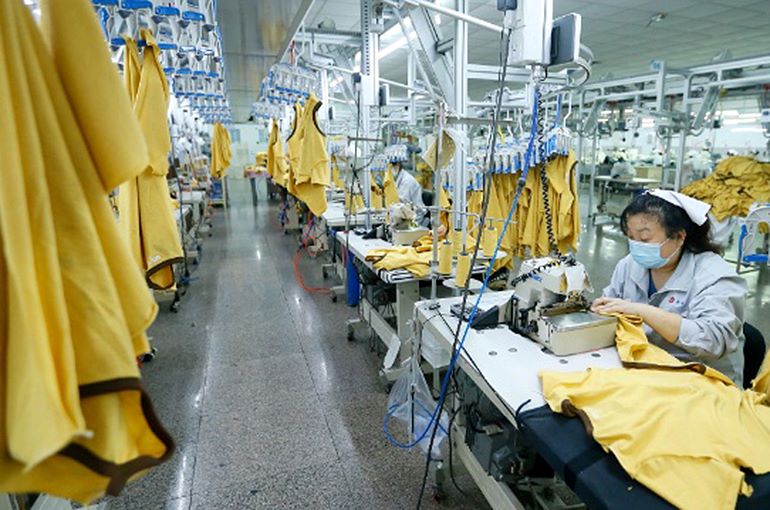
Walmart has spent the past five years building this platform. The retailer has developed or revamped 15 proprietary fashion brands, including Scoop, Free Assembly, Time and Tru and No Boundaries. In-house brands now account for over 50 per cent of Walmart Fashion revenues. By controlling design and manufacturing more closely, Walmart is seeking an estimated 10-15 percentage-point gross-margin advantage over third-party branded apparel.
The strategy mirrors a model already shown by Target, which used brands such as Universal Thread, A New Day and Wild Fable to build a sizeable private-label ecosystem. Target showcased fashion can play a role beyond driving apparel sales. Stronger-margin proprietary softlines can improve the economics of a mass merchant while helping create a more differentiated store proposition.
Walmart is attempting to replicate that logic at substantially greater scale. The opportunity is particularly significant because Walmart does not need to spend heavily to acquire grocery shoppers. Its existing customer base already generates enormous store traffic, creating an opportunity to introduce fashion into an established shopping mission.
Stores become fashion destinations
The strategy also requires Walmart to change how shoppers encounter apparel. As part of its multi-billion-dollar store-remodelling programme, the retailer is replacing conventional warehouse-style apparel presentations with boutique-inspired vignettes, lower-profile fixtures and styled mannequins. Positioning fashion closer to high-traffic grocery areas could make apparel more visible during routine shopping trips.
Digital commerce offers another layer. Walmart.com and its mobile app are integrating visual search and personalised bundle recommendations, creating opportunities to suggest accessories and complementary fashion products alongside grocery purchases. That combination of physical visibility and algorithmic merchandising could help Walmart turn fashion from a destination purchase into an impulse or add-on category.
Walmart’s scale raises the stakes
Founded in 1962, Walmart operates over 10,900 stores across 19 countries and has expanded its commercial engine beyond traditional retail through e-commerce, automated fulfilment, retail media and proprietary brands. The company generated $713 billion in net revenue in fiscal 2026.
For Walmart, Scenario is not simply another womenswear launch. Its larger strategic purpose is to capture a greater share of spending from customers it already serves, while improving softlines margins and making its stores more relevant to younger, fashion-conscious consumers.
If the model works, Walmart could demonstrate that the future of mass-market fashion is not necessarily about building a standalone apparel destination. It may instead be about embedding affordable, trend-led fashion into the everyday shopping journeys of millions of consumers.