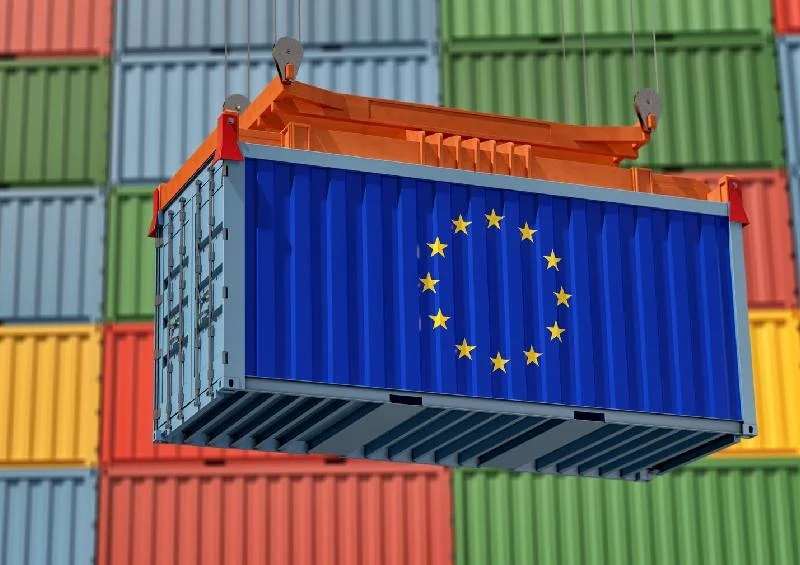
In the first ten months of 2022, Vietnam’s exports to the European Union increased by 40 per cent.
The EU is the second largest importer of Vietnam’s leather and footwear products and accounts for 25 per cent of the industry's export turnover.Vietnam is developing its production system of footwear and sporting goods in the hope that enterprises in the European Union continue to consider and give priority to choosing it as their producer and supplier in the coming time.
The EU-Vietnam Free Trade Agreement has come into effect and Vietnam’s textile, garment, and footwear products enjoy many tariff preferences, with much lower preferential tax rates compared with those under the most-favored-nation scheme. The trade agreement is expected to strengthen exchanges and cooperation with Vietnam in human resources training for the textile, garment, and footwear industries so that Vietnamese workers will have better skills to be able to access and master new advanced technology and equipment.Vietnam’s efforts in controlling the Covid pandemic and reopening production have been appreciated by European investors who trust in the safety of the country and its commitment to tackling difficulties. Vietnam is forging partnerships with Luxembourg, the Netherlands and Belgium.
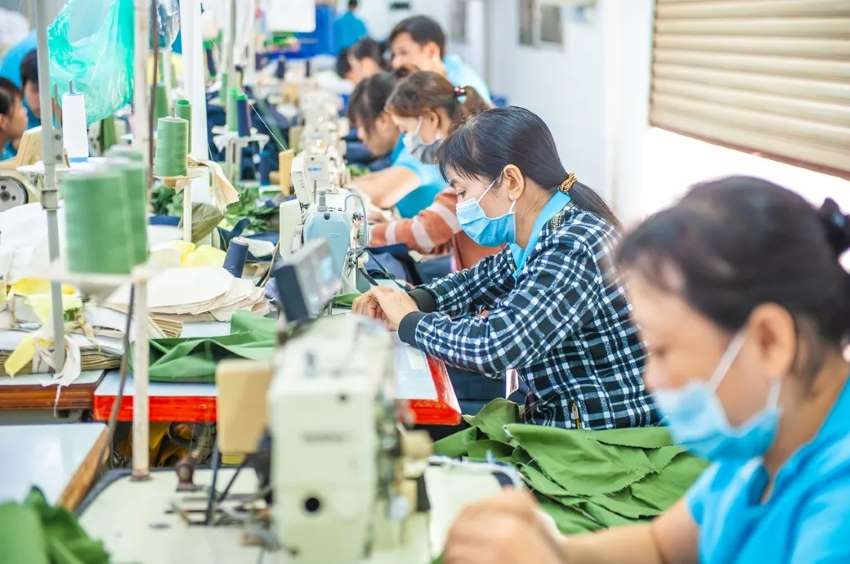
Vietnam’s earnings from exporting textiles and garments in the first 11 months of 2022 were up 18 percent from the same period last year.