The global apparel industry has entered a new phase of evolution as the distinction between sportswear and everyday fashion continues to blur. What was once a niche segment serving athletes has transformed into a mainstream lifestyle category, creating unprecedented demand for high-performance knitted fabrics that combine comfort, durability and functionality.
And what has led to this shift are advanced circular and warp-knit textiles, that are determining the commercial success of apparel collections. As consumers seek garments capable of supporting workouts, office schedules and social activities within a single wardrobe, brands are turning to technologically engineered fabrics that deliver moisture management, stretch recovery and long-lasting performance. The result is a transformation of sourcing and manufacturing strategies, with fabric innovation emerging as a key differentiator in the competitive athleisure market.
The rise of multi-functional apparel
Industry projections highlight the scale of the opportunity. The global performance knitted fabrics market, valued at approximately $8.20 billion in 2025, is expected to reach $8.58 billion in 2026 and grow further to $13.45 billion by 2036. The momentum is being driven by consumers demanding what experts describe as a blend of comfort, style and athletic functionality. This shift has accelerated the popularity of active-commute apparel or garments designed to transition seamlessly from fitness routines to professional and social environments.
Traditional fabric formulations are no longer sufficient to meet these expectations. While polyester blends currently account for nearly half of the market, manufacturers are developing advanced synthetic constructions that mimic the softness of natural fibres while offering superior elasticity, moisture control and shape retention.
Table: Global performance knit fabrics outlook
|
Metric |
Forecast 2026 |
Projection 2036 |
|
Industry Size ($) |
$8.58 bn |
$13.45 bn |
|
Leading Fiber Share |
Polyester Blends (48%) |
High-Tenacity Synthetics |
|
Largest End-Use |
Sportswear (46%) |
Lifestyle/Performance Hybrid |
|
Top Growth Region |
US (5.2%) |
Asia-Pacific (Dominant Volume) |
Growing machinery investments
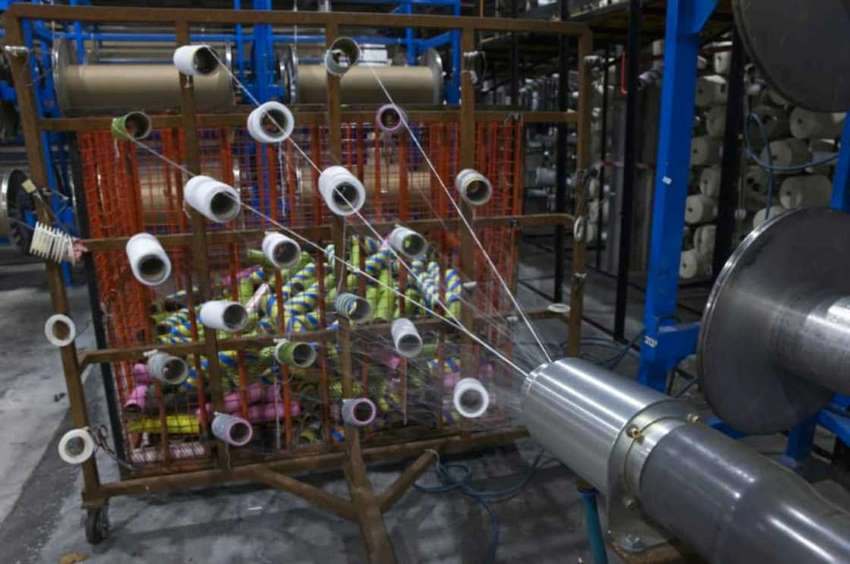
The growing emphasis on fabric performance is reshaping manufacturing priorities across major textile hubs. Producers are increasing investments in high-gauge circular knitting machines and advanced warp-knit technologies to cater to evolving brand requirements. Circular knitting continues to dominate overall production volumes due to its versatility and efficiency. However, warp-knit fabrics are gaining traction in specialised applications where structural stability and run resistance are critical.
These attributes are particularly valuable in compression garments used for high-intensity training, endurance sports and professional athletic applications. The demand for ‘second-skin’ apparel has pushed manufacturers to adopt more sophisticated knitting techniques capable of delivering precision-engineered support without sacrificing comfort.
Manufacturing units in Vietnam, Taiwan and Turkey are reportedly operating at high capacity as global brands secure supplies of premium interlock and jacquard knits. These advanced materials incorporate body-mapping technology, allowing breathability and support zones to be knitted directly into the fabric structure rather than added through multiple panels and seams. The approach not only improves wearer comfort but also reduces friction and enhances garment durability.
Olympic innovation reaches mainstream retail
Major sporting events continue to serve as testing grounds for textile innovation. The build-up to the Milan-Cortina 2026 Winter Games showcased performance knit technologies are advancing beyond elite athletic use.
Leading sportswear companies introduced engineered climate-management systems featuring mapped knit structures and specialised yarn combinations designed to regulate body temperature and efficiently transport moisture during periods of intense activity.
These innovations are now finding their way into commercial retail collections. Technical features that once differentiated elite competition apparel are now appearing in training wear, athleisure products and lifestyle garments aimed at everyday consumers. The success of compression-focused product line show how invisible technological enhancements can create tangible consumer value. For brands, the challenge is no longer simply producing stylish apparel but integrating performance capabilities without compromising aesthetics.
Sustainability becomes the next frontier
Alongside performance expectations, sustainability is emerging as a defining challenge for the sector. The widespread use of elastane complicated recycling efforts because blended fabrics were difficult to separate and process. The industry is now exploring mono-material constructions that can retain performance characteristics while improving recyclability.
Bio-based alternatives are also gaining attention. Manufacturers are experimenting with fibres derived from algae, mycelium and other renewable sources that naturally offer antimicrobial properties, reducing reliance on chemical treatments. However, commercial scalability remains a significant hurdle. While premium brands have begun incorporating these materials into limited product lines, broader adoption is constrained by higher costs, supply limitations and the need for specialised manufacturing infrastructure.
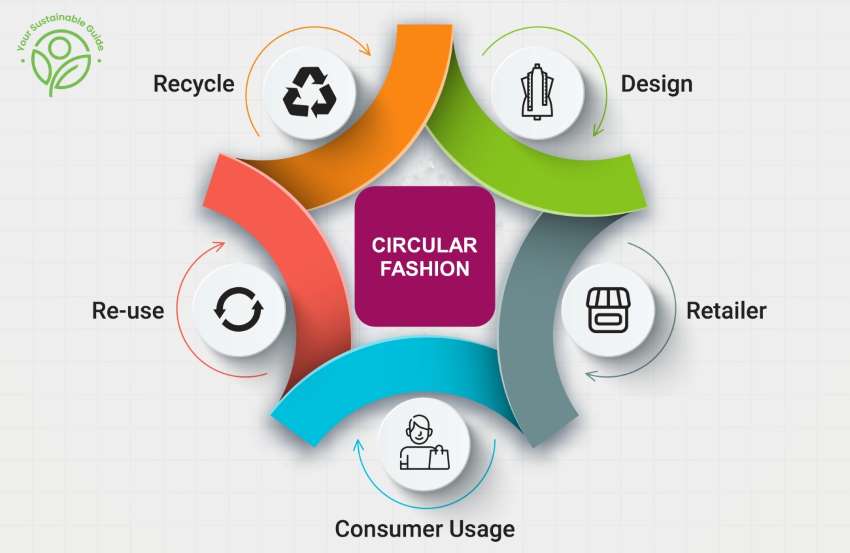
Despite these challenges, sustainability is rapidly becoming a commercial necessity rather than a marketing differentiator. As regulatory scrutiny increases and consumers place greater emphasis on environmental performance, textile producers are expected to accelerate investments in circular production systems.
A technology-led future
As per UK-based Knitting Trade Journal, the sector is shifting from volume-driven manufacturing toward higher-margin, technology-intensive production models. The transformation reflects a broader reality across the apparel value chain: fabric innovation is becoming as important as design and branding. As athleisure evolves into a dominant lifestyle category, the competitive advantage increasingly lies in engineering textiles capable of delivering performance, comfort and sustainability simultaneously.
For retailers and manufacturers alike, the next decade may be defined not by the garments on store shelves, but by the technologies embedded within the fabrics themselves.