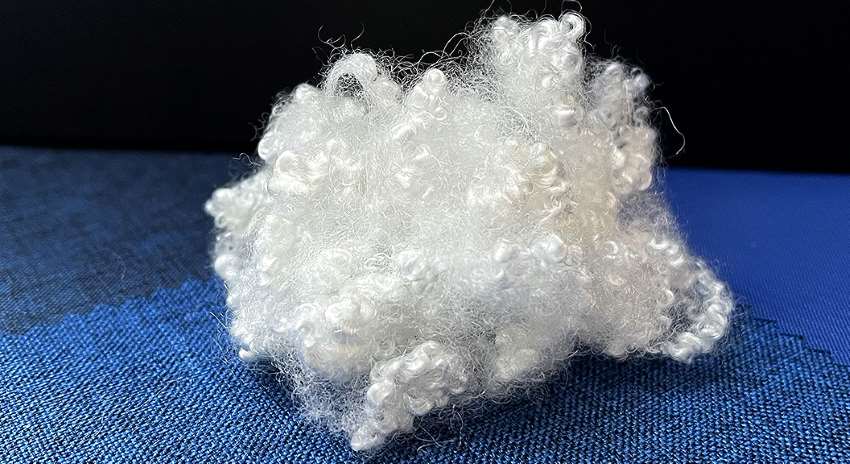
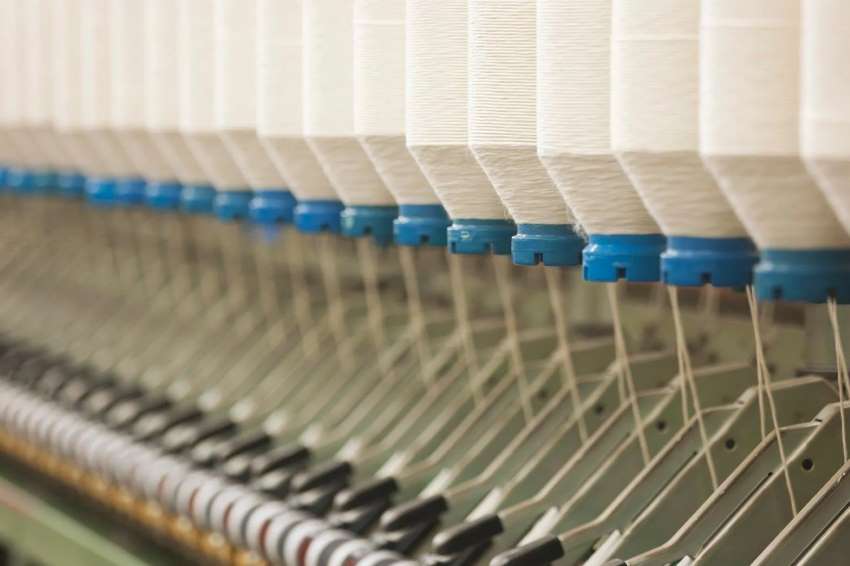
Escalating maritime tensions along Middle East shipping lanes have disrupted raw material dynamics for India’s synthetic textile supply chain. Middle Eastern supply constraints and elevated ocean freight rates pushed Monoethylene Glycol (MEG) import parity higher across Asian processing hubs. Simultaneously, crude oil-linked Paraxylene (PX) cost increases lifted Purified Terephthalic Acid (PTA) spot prices across domestic manufacturing clusters. This dual pressure elevated input costs for Indian polyester staple fiber (PSF) and polyester filament yarn (PFY) spinners by 4.8 to 5.5 per cent, establishing a higher baseline cost for downstream weavers.
Downstream weavers face margin erosion amid narrowing import spreads
Historically, domestic garment manufacturers depended on cheaper imported Chinese synthetic fibers to buffer local feedstock inflation. However, tight domestic inventories in China - driven by capacity rationalization - have narrowed the traditional import price gap faster than expected. Spinning mills in Surat and Ludhiana face elevated replacement costs while attempting to pass price increases to price-sensitive garment exporters. Volatile raw material costs and fluctuating ocean freight rates are squeezing operating margins for non-integrated synthetic yarn spinners," states Ramesh Kumar, Senior Market Analyst at Synthetic Apparel Insights. Securing steady domestic feedstock supply remains a critical priority for textile mills navigating international trade disruptions.
India's synthetic textile industry produces over 10 million tons of polyester fiber, filament yarns, and blended fabrics annually for domestic retail and global export markets. To counter raw material price volatility, domestic spinners are increasing investments in recycled polyethylene terephthalate (rPET) processing and integrated yarn capacity to safeguard long-term operating margins.