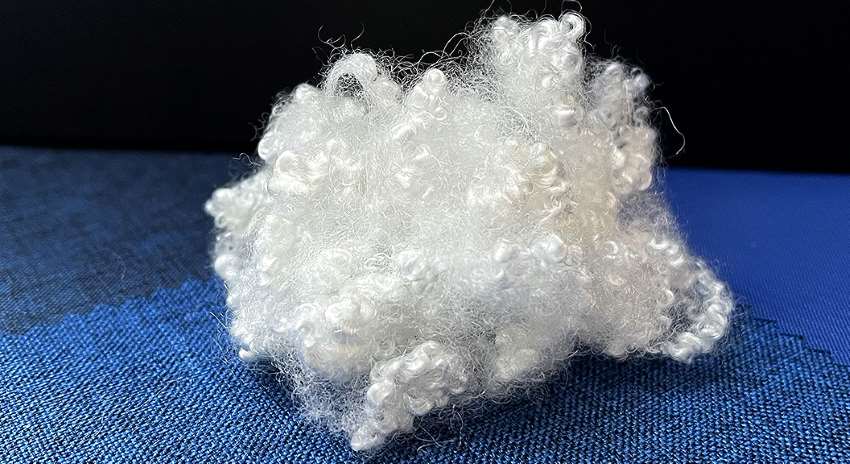
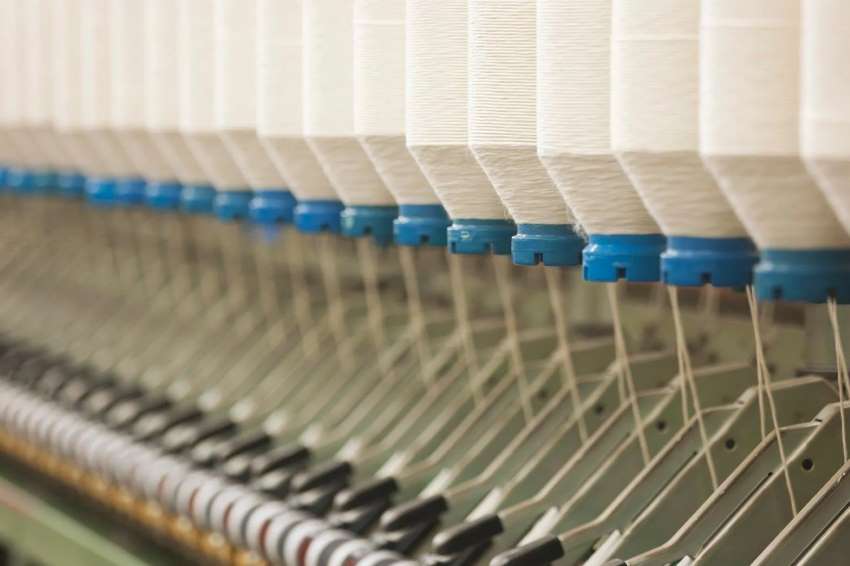
Rising summer temperatures across Western export markets are driving global apparel brands to expand lightweight, breathable linen lines. Capitalizing on the recent removal of Bangladesh’s 35 per cent import tariff on raw flax fiber, local manufacturers are scaling integrated linen spinning and circular recycling operations to cut reliance on imported woven fabrics. Leading this structural shift, NZ Tex Group is expanding its 6,700-spindle wet-spinning capacity while integrating mechanical waste recovery to capture post-industrial linen remnants.
Overcoming wet-spinning complexities through closed-loop efficiency
Unlike traditional cotton processing, wet spinning linen demands four times the initial capital investment alongside specialized effluent treatment systems. Continuous moisture exposure also accelerates component wear, requiring machinery overhauls every seven years. To optimize resource use, NZ Tex Group implemented closed-loop water recovery alongside mechanical fiber recycling, converting production waste into high-value blended yarns. Securing policy parity for raw flax allows Bangladeshi mills to build localized, fully circular linen ecosystems, says Saleudh Zaman Khan, Managing Director, NZ Tex Group. Uninterrupted grid power remains critical for mills to sustain these capital-intensive wet-spinning operations.
Founded in 1982, NZ Tex Group is a Bangladeshi textile conglomerate producing 52,000 tons of yarn and 72 million yards of woven fabric annually for European and Asian markets. Pioneering domestic 100 per cent linen spinning 16 years ago, the group aims to double circular flax output backed by steady double-digit export growth.