A research report by the Bangladesh Foreign Trade Institute (BFTI) reveals, Bangladesh aims to increase total apparel export revenues to $95 billion by 2030-end by expanding its MMF exports share to 12 per cent. Currently, cotton-based garments account for over 70 per cent of the nation's $42 billion RMG exports, leaving manufacturers exposed as global retail demand transitions toward synthetic activewear, sportswear, and technical fabrics.
Policy reform and capital allocation drive synthetic garments expansion
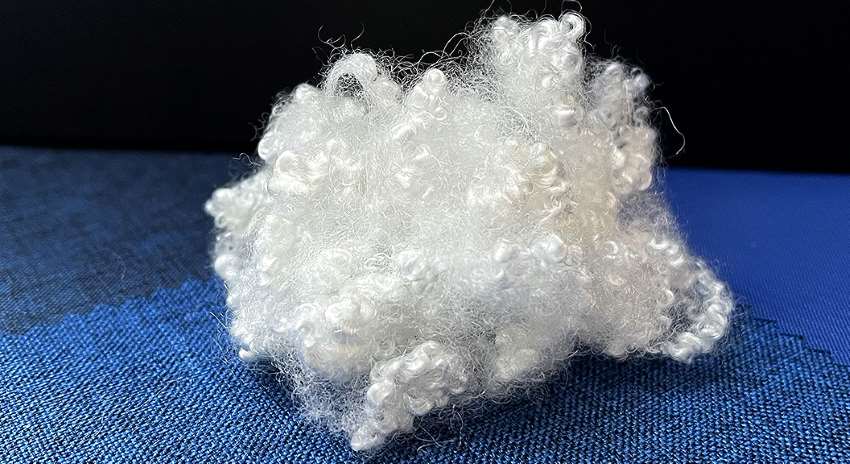
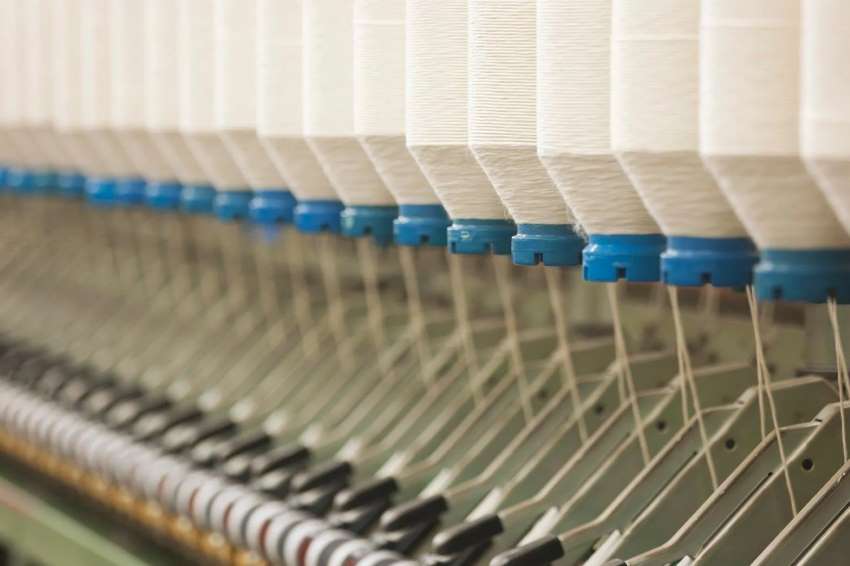
Achieving this target requires an estimated $25 billion investment in domestic backward linkages, alongside tariff rationalization on raw material imports like polyester staple fiber. Expanding bonded warehouse access and accelerating foreign direct investment approvals are essential to building local synthetic yarn production. Capturing a meaningful share of the global MMF market is an economic necessity for sustaining export competitiveness as Bangladesh prepares for post-LDC trade adjustments, states Dr. Saif Uddin Ahammad, CEO, BFTI.
Navigating post-LDCtariff changes with MMF expansion
As the world's second-largest apparel exporter, Bangladesh's textile sector supplies knitwear and woven clothing to North American and European retail markets. Targeting $100 billion in total export revenue, the industry is scaling synthetic manufacturing to navigate post-LDC tariff changes, leveraging five decades of commercial garment manufacturing expertise.