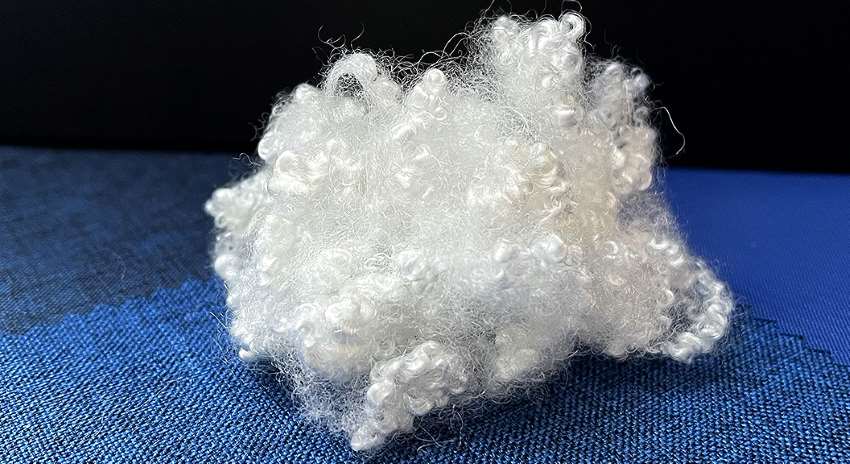
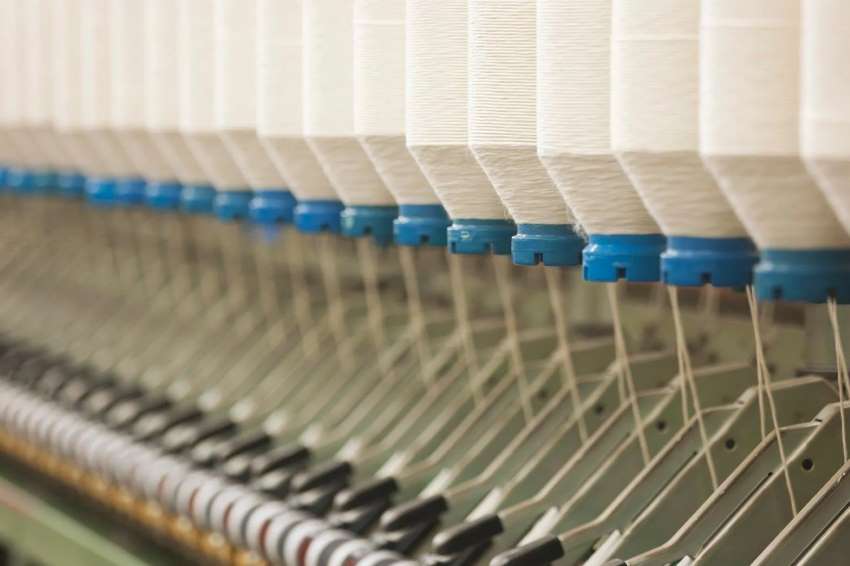
Addressing the India–Uzbekistan Business Forum in New Delhi, Union Minister of Commerce and Industry Piyush Goyal called for joint manufacturing to leverage Uzbekistan’s cotton fiber output alongside India’s design, processing, and garment export infrastructure. Annual bilateral trade crossed $1.5 billion, with both governments targeting $3 billion over the next three years. Enforced in May 2025, the India–Uzbekistan Bilateral Investment Treaty provides a predictable regulatory environment, enabling textile mills to establish co-located spinning and apparel units aimed at European and Asian retail markets.
Shared sourcing networks counter supply chain fragmentation
As global apparel buyers demand supply chain transparency and fiber security, joint ventures in yarn spinning, fabric finishing, and value-added garmenting offer structural margin advantages. Combining Uzbekistan's fiber strengths with India's manufacturing expertise allows both nations to co-invest, co-manufacture, and co-innovate for global markets, states Piyush Goyal,Union Minister of Commerce & Industry.
Nevertheless, mitigating overland transit bottlenecks across Central Asian transit corridors and reducing non-tariff regulatory barriers remain essential operational goals for trade delegations on both sides.
Strategic Central Asia–South Asia textile initiative
Originating under the 2011 strategic framework, the India–Uzbekistan textile alliance coordinates raw fiber sourcing, yarn processing, and garment production across Eurasian markets. Backed by the Bilateral Investment Treaty, the initiative targets a $3 billion trade threshold by 2029 through capital co-investments and integrated customs logistics.