The global apparel industry is grappling with a turbulent operating environment marked by geopolitical friction, fluctuating tariffs, and a rapidly evolving regulatory landscape. Despite these headwinds, India is poised to emerge as a key winner in the ongoing realignment of global supply chains, according to Stefano Festa Marzotto, President of the International Apparel Federation (IAF) and prominent Italian luxury outerwear manufacturer.
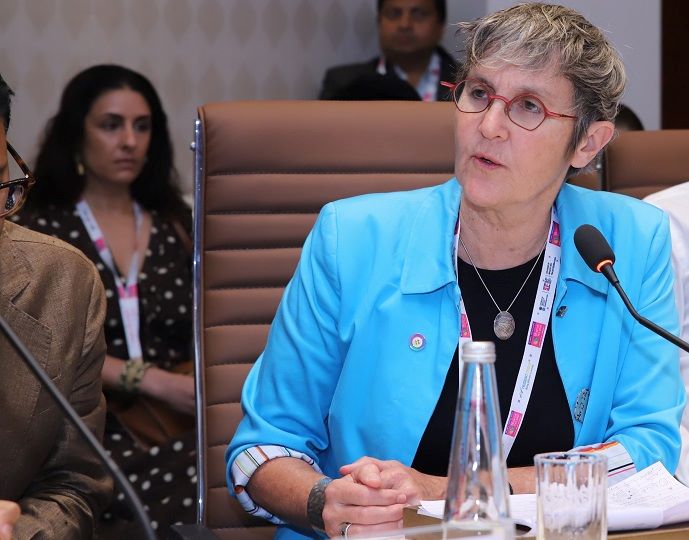
Speaking to Salil Chawla, FashionatingWorld exclusively on the sidelines of Bharat Tex 2026; on the global market outlook, Marzotto highlighted India's unique competitive edge as international brands actively pursue a "China+1" diversification strategy. He noted that India’s deep-rooted textile heritage, skilled manufacturing workforce, and commitment to fair competition place it in a strong position to capture a larger share of growing international markets.
To capitalize on these shifts, however, alignment with stringent global standards will be essential.
Sustainability and compliance become non-negotiable
Addressing strict regulatory shifts, particularly originating from the European Union—Marzotto emphasized that sustainability and supply chain transparency are no longer optional extras or marketing claims. Instead, they have become foundational requirements for doing business in major global economies, including Europe, the United States, China, Japan, and Korea.
While acknowledging that compliance presents immediate operational challenges for producers, Marzotto commended India's proactive momentum toward sustainable practices and transparent operations, calling this progress vital for long-term commercial success.
Championing fair rules for global trade
As head of the IAF; the principal global federation representing garment manufacturers, brand associations, and suppliers—Marzotto reaffirmed the organization's focus on fostering unity and building equitable trade frameworks across borders.
He reiterated that establishing clear, transparent, and fair rules of engagement across the value chain remains central to ensuring all stakeholders, from regional manufacturers to international buyers, can navigate current market disruptions effectively.