
Textile and garment workers and allied sectors affiliated with IndustriALL Global Union participated in a three day collective bargaining and negotiation training course from 3 to 5 March 2017 at Antipolo City. Supported by Japanese union UA Zensen and in cooperation with IndustriALL Philippines, the training aimed to equip skills and enhance the capacity of plant level union officers to negotiate for better working conditions. Twenty five local union officers and shop stewards were equipped with negotiation skills and collective bargaining strategies and techniques. Participants expressed the view that in challenging times where trade union and collective bargaining rights are under attack by corporate globalization, new approaches to collective bargaining are needed, and it is necessary for trade unionists to acquire adequate skills and innovative negotiation strategies. Union density and collective bargaining coverage are low in the Philippines, leading unions to look at different types of collective bargaining so that more workers can be covered by collective agreements. “Real changes happened in our workplace. In the past almost all workers were covered by our collective bargaining agreement, but today contractual workers outnumber regular workers, and those contractual workers are excluded from our collective bargaining agreement”, said Roland Vicencio, a union officer from Frankhaus International Corp. “Now that we are aware that this situation will eventually lead to the loss of our bargaining power and weaken the union, it is a challenge for the union to exert our collective effort to negotiate for inclusive provision of all workers regardless of their status,” he added.

- 1
- 2
- 3
- 4
- 5
- 6
- 7
- 8
- 9
- 10
The 2027 Mandate: Why denim’s future hinges on verifiable data

For decades, the global denim industry has relied on a narrative of durability, heritage, and authenticity. That narrative is now... Read more
Europe’s textile core unravels as costs, imports and policy pressure bite
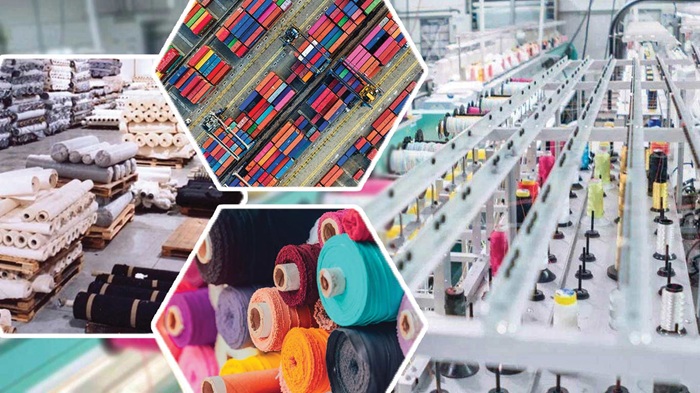
Europe’s textile and apparel sector, long seen as a benchmark for craftsmanship and industrial depth, is slipping into a prolonged... Read more
Automation, innovation, regulation are the forces shaping textiles in 2026
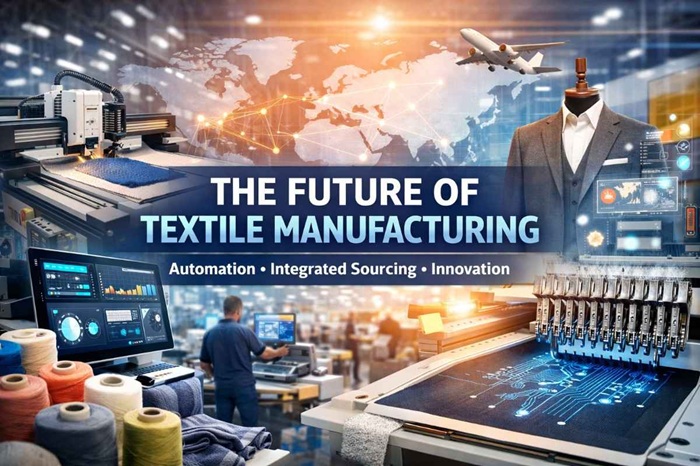
The global textile sector has entered a new era. Early 2026 saw the industry breach a $1.06 trillion valuation, reflecting... Read more
The new Brussels rulebook, every EU apparel order is now a balance-sheet risk
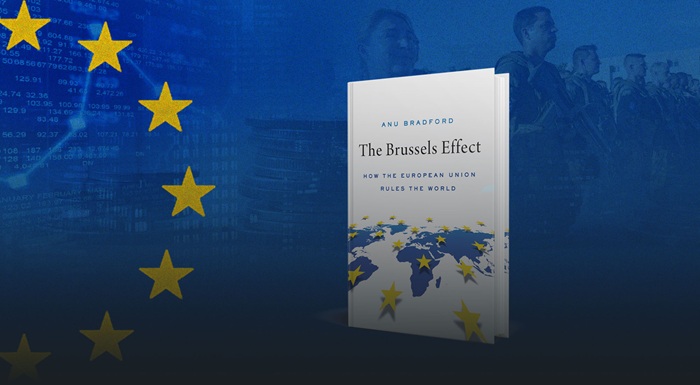
The humble export order sheet is undergoing a transformation. What was once a straightforward commercial instrument: SKU, volume, FOB price,... Read more
Why 2026-27 could be a defining cotton year for India’s farm-to-fashion economy
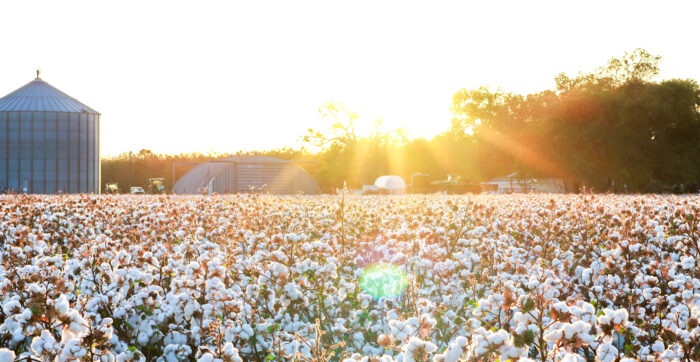
The global cotton economy is entering a more constrained phase, and for India, the implications run far beyond the farm... Read more
Luxury resale’s next big battle is no longer digital, it is about who controls s…
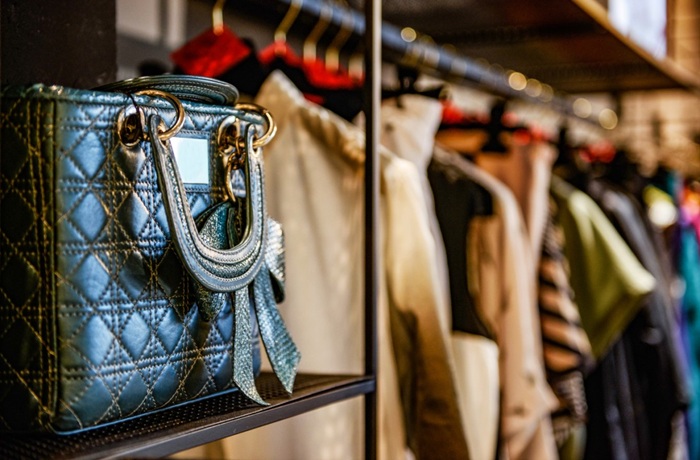
For nearly a decade, the luxury resale story was written in the language of platforms. Market leadership was measured by... Read more
Digital Arms Race: Indian apparel giants deploy AI to neutralize tariff crisis
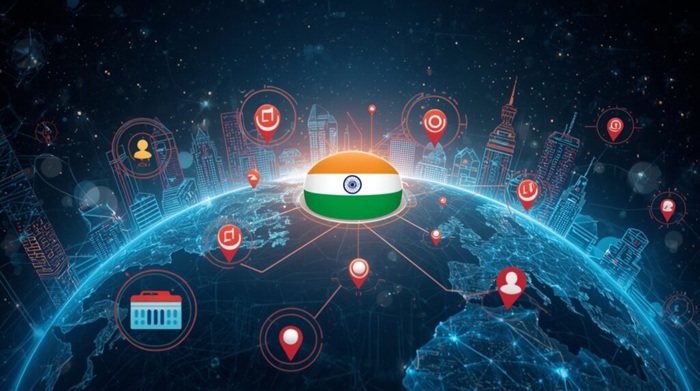
The Indian textile and apparel sector is in a digital survival phase in 2026, shifting from traditional labor-intensive models to... Read more
Europe’s Textile Endgame: Why Project FAE is becoming fashion’s most critical in…
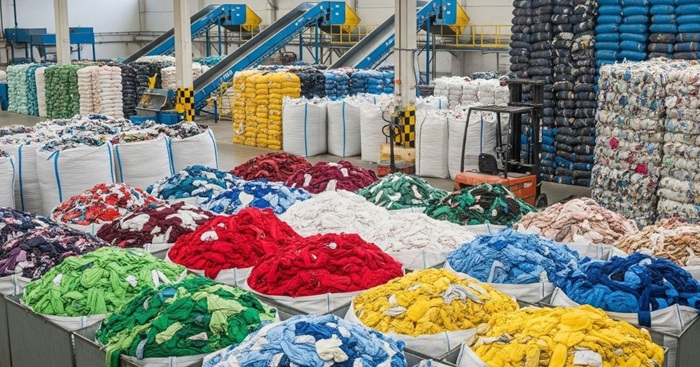
Europe’s apparel majors are no longer treating circularity as a branding layer. With Project FAE or Feedstock Activation Europe, the... Read more
Engineering color at source, dye-free production is cutting cost, water, and tim…

For over a century, coloring has been anchored in wet processing, an energy-intensive, chemically saturated stage that happen post spinning.... Read more
The €11 bn deadlock, can Europe’s textile recycling catch up?

Europe is at a tipping point. Fast fashion consumption, led by rising incomes and a growing global middle class, has... Read more

