For over a century, coloring has been anchored in wet processing, an energy-intensive, chemically saturated stage that happen post spinning. That architecture is now being dismantled. A new production logic, Dye-Free Operation (DFO), is relocating color from the dye bath to the fiber itself, collapsing multiple stages of manufacturing into a single, data-driven process.
With the global textile dyes market projected to reach $12.35 billion this year, the scale of disruption is substantial. More importantly, the environmental externalities of conventional dyeing responsible for nearly 20 per cent of global industrial water pollution and the discharge of dozens of hazardous chemicals have shifted from being a compliance issue to a direct cost center. Regulation, input volatility, and ESG-linked capital allocation are converging to force a reset. DFO is emerging not as a niche sustainability experiment, but as a full-scale industrial alternative.
From wet processing to embedded color architecture
At the core of DFO is the redesign of how color is introduced into textiles. Instead of dyeing yarn or fabric post-spinning, AI-controlled systems engineer color at the fiber blending stage. Using advanced rotor spinning technologies, such as dual-card systems pre-colored and raw fibers are mixed with algorithmic precision to produce yarns that carry intrinsic color patterns.
This approach effectively transforms textiles into what can be described as engineered substrates, where visual effects gradients, mélanges, denim textures are structurally embedded rather than chemically applied. The elimination of the immersion and fixation stages removes the most resource-intensive layer of textile manufacturing, compressing time, cost, and environmental load into a significantly leaner process. The operational delta between conventional dyeing and DFO is stark.
Table: Shift in resource consumption per ton of yarn
|
Resource Metric |
Traditional batch dyeing |
DFO textile technology |
Reduction (%) |
|
Water Consumption |
120–150 m³ |
0–2 m³ |
98% |
|
Energy Usage |
1,200 kWh |
450 kWh |
62% |
|
Chemical Additives |
60–80 kg |
0 kg |
100% |
|
Processing Time |
12–18 Hours |
0 Hours (Integrated) |
100% |
Why the market is moving now
The commercial logic behind DFO extends well beyond sustainability. The global yarn market is expected to grow to $40 billion by 2029, but margins remain under pressure from fluctuating raw material prices and tightening environmental compliance regimes. In this context, DFO offers a dual advantage: cost compression and risk mitigation. By eliminating dye procurement and wastewater management, manufacturers can insulate themselves from two of the most volatile cost centers in the textile value chain. At the same time, brands, particularly those exposed to European regulatory frameworks such as Digital Product Passports are increasing their shift toward traceable, low-impact materials.
Companies like Multitao are already making this change. With a portfolio of over 500 DFO yarn variants, the company is targeting high-volume categories such as hosiery, knitwear, and home textiles, segments where repeatability, cost efficiency, and scalability are critical. The strategy is clear: capture early mover advantage in categories where design complexity can be standardized and production efficiencies can be maximized.
Denim, the environment disruptor
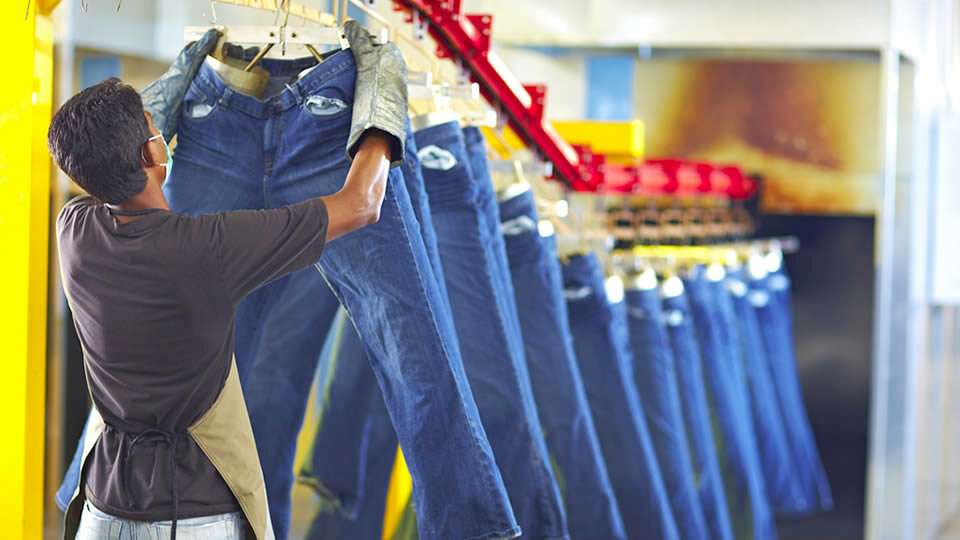
Nowhere is the impact of DFO more pronounced than in denim. Indigo dyeing, particularly rope dyeing, remains one of the most environmentally contentious processes in the textile industry due to its heavy chemical load and alkaline wastewater discharge. For a global cotton yarn market valued at over $90 billion, this represents both a liability and an opportunity.
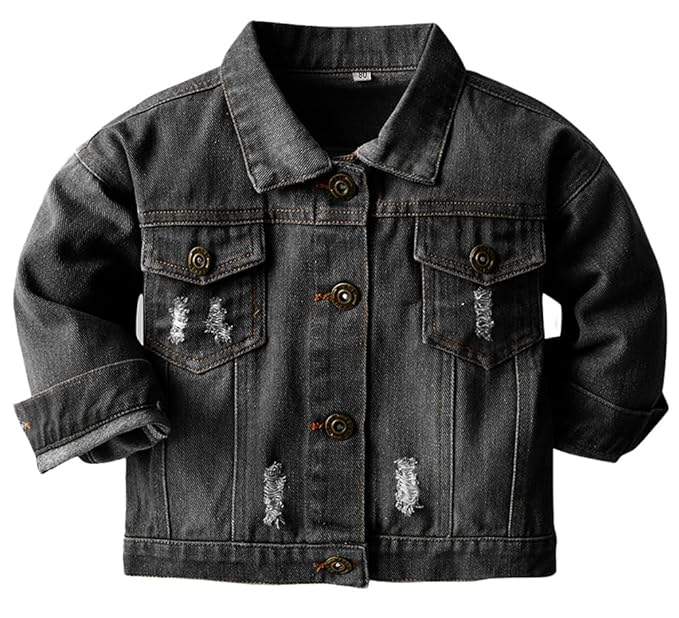
DFO-based denim yarns bypass indigo dyeing entirely. By blending colored and natural fibers at the spinning stage, manufacturers can replicate the salt and pepper visual texture associated with stone-washed denim without any post-processing. This not only eliminates dye-related costs but also removes the need for water-intensive finishing techniques such as enzyme washing and bleaching. For brands under increasing scrutiny from regulators and consumers alike, this is a viable path to decarbonizing one of fashion’s most resource-heavy categories without compromising on aesthetic fidelity.
Factory floor economics
The economic case for DFO becomes even clearer at the factory level. In a pilot implementation with a Southeast Asian hosiery manufacturer, the shift to AI-driven dye-free yarns delivered a 22 per cent drop in total manufacturing costs. This was not due to a single variable but by numerous efficiencies. Defect rates, historically inflated by uneven dye penetration in blended fibers, dropped from 15 per cent to below 2 per cent. The precision of fiber-level coloring eliminated inconsistencies that typically emerge during batch dyeing. Inventory dynamics also shifted. With color embedded at the spinning stage, the need to stock large volumes of greige yarn was significantly reduced, leading to a 40 per cent decline in inventory holding.
Perhaps most importantly, production became more responsive. The ability to generate specific colors on demand rather than forecasting them weeks in advance aligned manufacturing more closely with real-time market demand. This just-in-time coloration model has direct implications for working capital efficiency and demand forecasting accuracy.
The remaining barriers
Despite advantages, DFO is not without constraints. The upfront capital investment required to retrofit or replace conventional spinning systems remains a major barrier, particularly for small and mid-sized mills. Moreover, replicating the full chromatic range of chemical dyes especially in high-saturation or specialty finishes continues to be a technical challenge.
Design flexibility is another issue. While AI-driven blending systems are rapidly improving, the infinite palette offered by traditional dye chemistry is not yet fully matched in fiber-based coloration. However, this gap is narrowing. Advances in machine learning, coupled with real-time defect detection and correction, are steadily expanding the design envelope.
From process innovation to circular economy enabler
Beyond immediate cost and efficiency gains, DFO has deeper implications for circularity. Textiles produced without chemical dyeing are inherently easier to recycle, as they do not carry the contamination load associated with conventional finishes. Mechanical recycling processes, which struggle with chemically saturated fabrics, can operate more efficiently on dye-free materials.
As global manufacturers prepare for major industry platforms such as ITM 2026 in Istanbul, the focus is shifting decisively toward intelligent, automated spinning systems. The framing of color is changing from a surface treatment applied at the end of the process to a structural attribute engineered at the beginning. DFO is not merely an incremental improvement; it is a redefinition of the textile production stack. By collapsing stages, eliminating externalities, and embedding intelligence into the core of manufacturing, it offers a blueprint for a more resilient, efficient, and compliant industry. The dye house, long considered indispensable, is rapidly becoming optional.