Retailers and the global economy face an era of hope and uncertainty as countries strive to recover from the COVID-19 pandemic. Despite the efforts to return to "normal," it is unclear what the new normal will look like with customers accepting digital communication, remote services, and mobile technology at unprecedented levels.
McKinsey reports that retail had the highest rate of consumer digital adoption with online clothing purchases increasing by 40% and online grocery purchases up by 100%. With digital adoption at an all-time high, retailers must adapt to increasing prices, escalating inflation, and supply disruptions.
The trends that will shape the retail industry going forward include eCommerce, hybrid experiences, digitally aware millennials and Gen Z, customization, effortless customer experiences, and workforce empowerment.
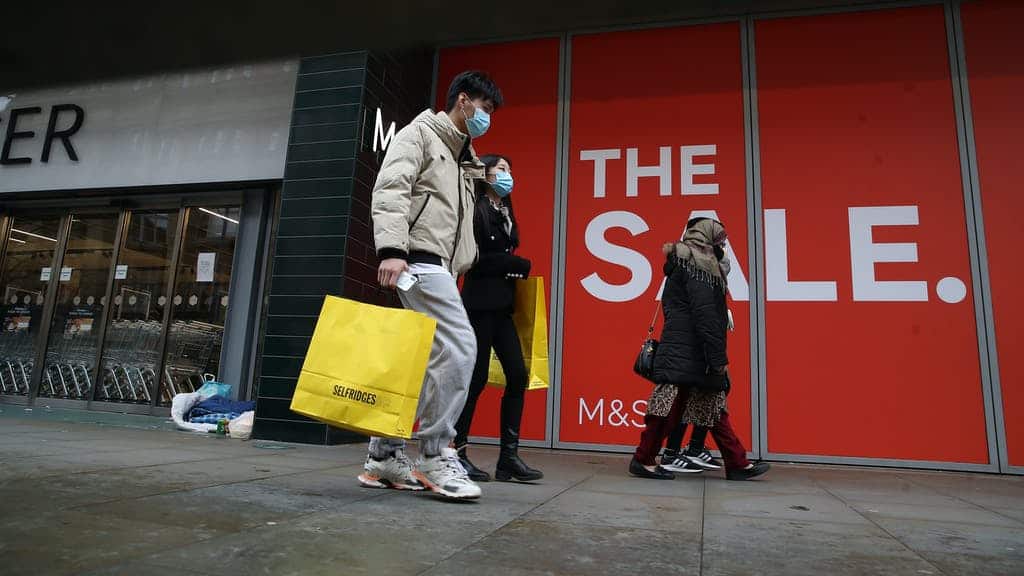
Although brick-and-mortar sales are recovering, eCommerce remains a primary focus. Retailers are transforming their physical stores into a combination of fulfillment hubs for online orders and customer experience centers. Hybrid experiences combine digital and physical elements to create unique, memorable shopping experiences.
Younger customers are digitally aware, and they shop according to their values. Brands must show their commitment to social causes to gain their trust and loyalty. Ultra-personalization engages clients emotionally and increases brand loyalty.
Retailers must invest in a customer experience management platform that allows them to understand customer behavior and chart customer journeys. Retailers must adapt to these trends to succeed in the current scenario and beyond.
Companies must also rethink employee empowerment to boost headcount with creating healthier, happier workplaces.