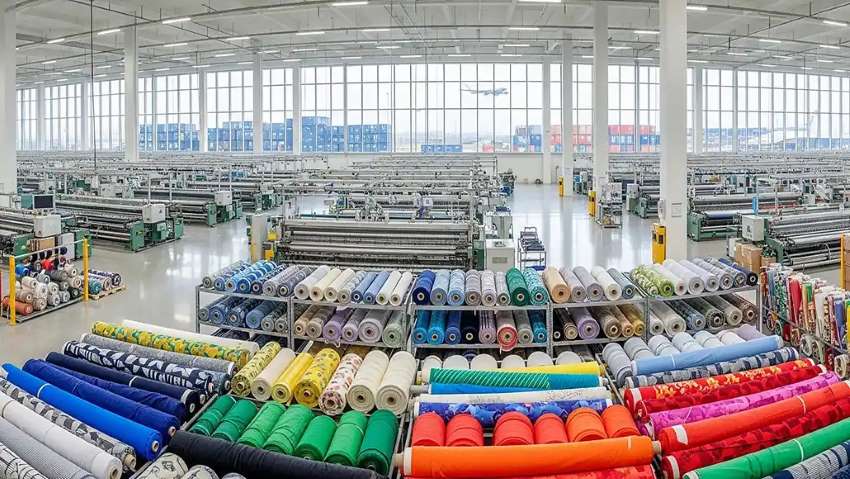
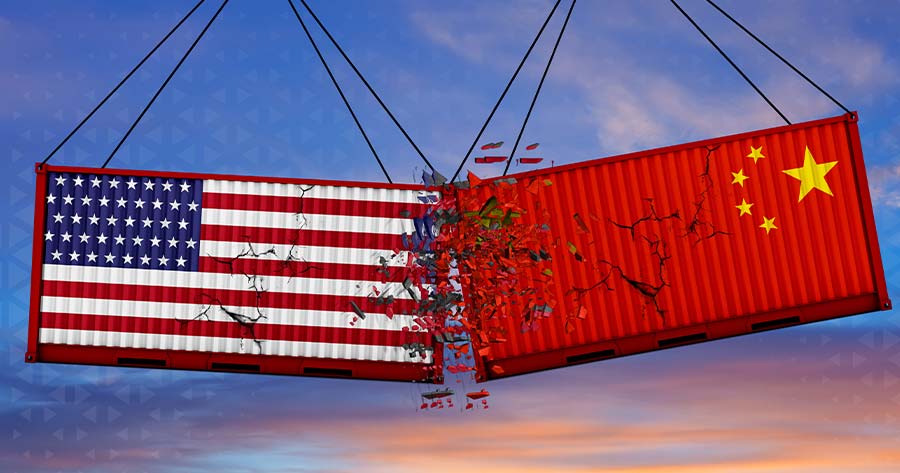
The Italian menswear sector is navigating a challenging start to 2026, characterized by a cooling of international demand and persistent volatility in global trade. According to recent data, exports for the category declined by 2.9 per cent in the first two months of the year, while imports recorded an 8.3 per cent contraction. This follows a difficult FY25, which saw overall sectoral turnover slide by approximately 2.2 per cent to 2.6 per cent. The current trade environment reflects a broader ‘convalescence’ for the ‘Made in Italy’ label, as manufacturers grapple with the dual impact of heightened geopolitical instability and cautious consumer sentiment in key markets such as the United States and China.
Strategic realignment in a competitive landscape
Industry experts indicate, the sector is currently undergoing a structural transformation. With inflationary pressures and elevated trade tariffs - rising from 5.3 per cent to 8.9 per cent in recent periods - brands are under pressure to manage margins without compromising their premium positioning. The industry is not in a catastrophic state, but it is enduring a period of necessary recalibration, notes a senior market consultant. Manufacturers are increasingly prioritizing supply chain transparency and digital integration to meet stringent EU sustainability mandates, such as the upcoming Digital Product Passport requirements. While volume-based production remains under pressure from lower-cost international competitors, Italian firms are focusing on high-value, artisanal resilience and circularity to secure their long-term competitive advantage.
A cornerstone of global luxury apparel market
The Italian menswear sector is a cornerstone of the global luxury and high-end apparel market, renowned for craftsmanship and quality textiles. It primarily produces tailored suits, knitwear, and leather goods. The industry is currently shifting toward sustainability and digital traceability to sustain its premium market share amid global economic volatility.