Pakistan’s textile industry faces high cost of doing business. About Rs 200 billion of refunds relating to sales tax, income tax, rebates and previous policy initiatives are yet to be paid. This is proving to be a major stumbling block in the smooth running of the industry.
The textile industry is not able to utilise resources due to sustained losses earlier and a liquidity shortage now. This is hindering the production of an exportable surplus.
The industry now wants refunds to be released on priority, the complete withdrawal of the Gas Infrastructure Development cess from the entire textile chain, payment of drawback of local taxes and levies at five percent to remove incidentals of taxes, cess, levies and duties on all textile exports. It wants a 15 per cent regulatory duty on imports of yarns and fabrics made from synthetics including polyester, viscose and acrylic, which have made serious inroads into domestic commerce.
The industry says the stuck up refund amounts are reflected in the revenue account, which is not a fair practice. It wants the eight-point textile industry package to be implemented in totality and not partially as is being done now. Also Pakistan’s currency is seen to be having an unrealistic value.

- 1
- 2
- 3
- 4
- 5
- 6
- 7
- 8
- 9
- 10
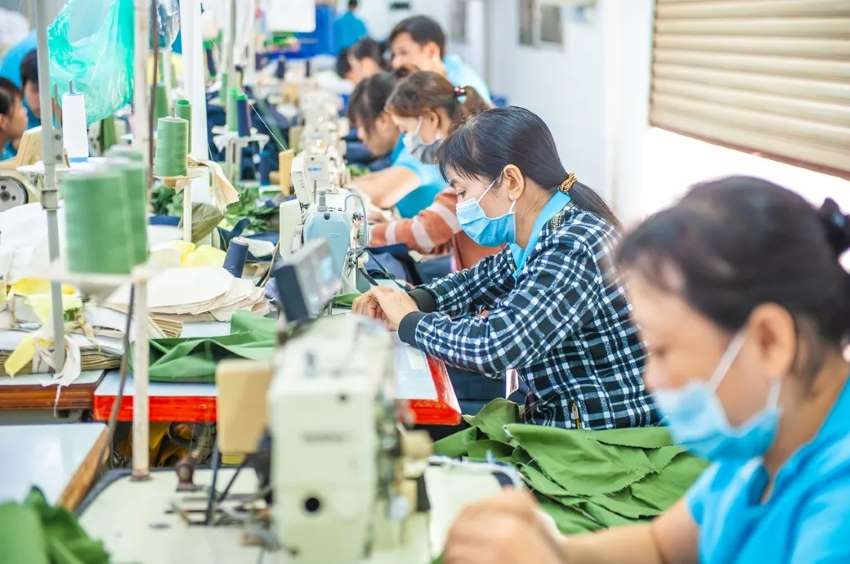
China’s inward turn, domestic demand is rewriting the export model
China is undergoing one of its most consequential economic recalibrations in decades, driven by geopolitical instability, rising Western protectionism, and... Read more
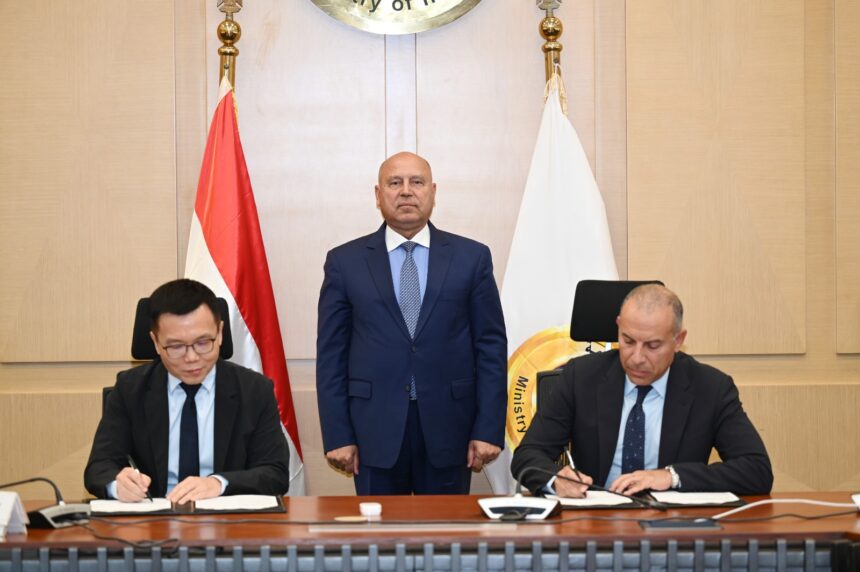
Egypt bets on a $2 bn green textile city to become Europe’s next sourcing hub
Egypt is making a decisive play to become one of the world's most important apparel manufacturing destinations after securing a... Read more
EU textile imports hit $295.66 bn as price wars mask manufacturing stress
The European Union’s textile and apparel imports grew to $295.66 billion in 2025, a 9.4 per cent year-on-year increase from... Read more
Landmark India-UK trade pact to supercharge textile export margins
The long-awaited India-UK Comprehensive Economic and Trade Agreement (CETA) is officially scheduled to commence on July 15, 2026. This breakthrough... Read more
Is it the end of aspirational luxury? Asia’s consumers demand more than logos
While the global personal luxury goods market remains broadly stable at around €358 billion, the apparent resilience masks a deeper... Read more
Vietnam wins, India slips as US apparel sourcing undergoes massive reset
A trade realignment is transforming the global apparel market, yet India’s manufacturing has stalled at the starting line. Newly released... Read more
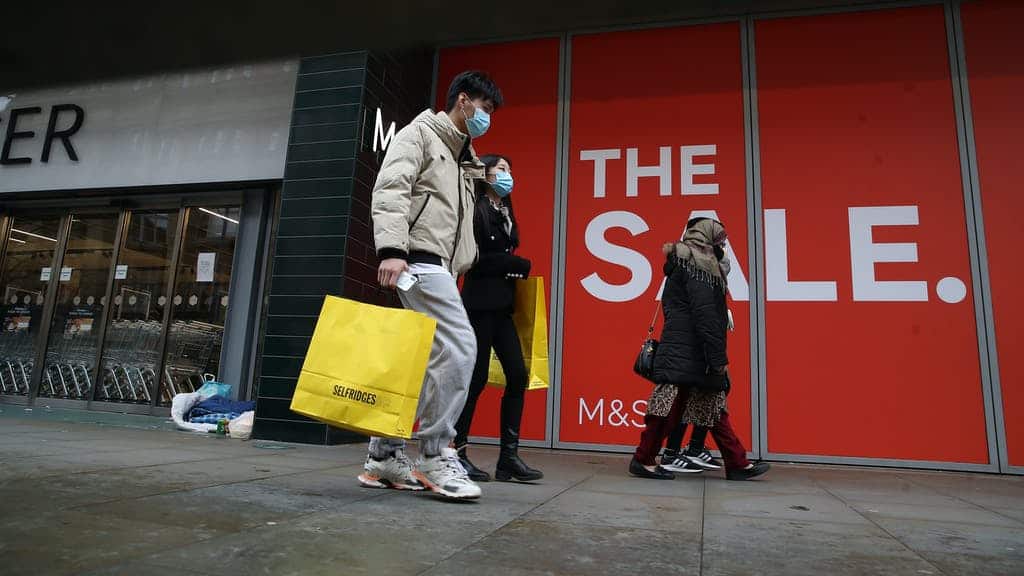
US clothing prices rise faster than inflation, reshaping fashion retail strategy
After nearly two years of heavy discounting, inventory liquidation, and margin decline, apparel prices in the US are now rising... Read more
From gym to boardroom performance fabrics are redefining apparel demand
The global apparel industry has entered a new phase of evolution as the distinction between sportswear and everyday fashion continues... Read more
Digital Dominance Redefined: Zara moves past H&M in $100 bn fast fashion bat…
The global fast-fashion sector has reached a inflection point in 2026 where the battleground is no longer only store shelves... Read more
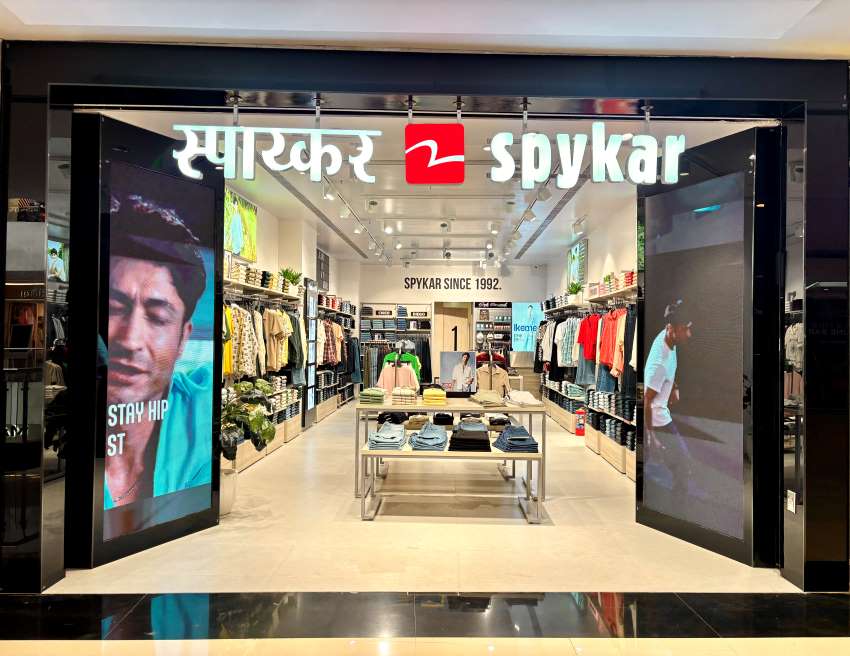
Spykar accelerates offline expansion: plans 100 new stores across India
A titan of the Indian denim-first fashion scene, Spykar has officially unveiled an aggressive retail growth strategy. As consumer demand... Read more