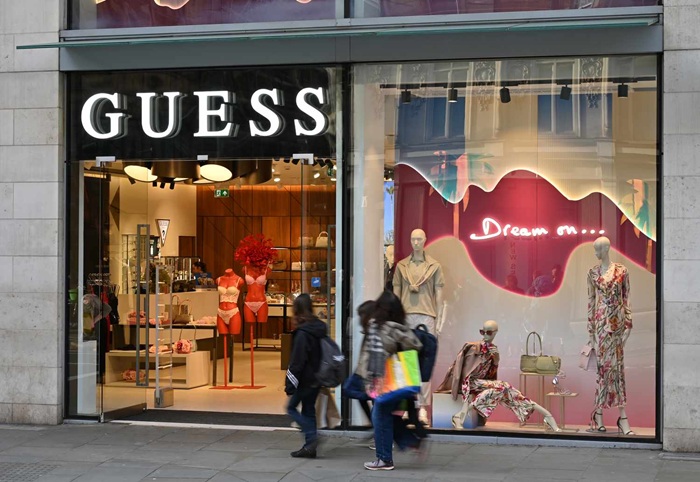
The recent $1.4 billion acquisition of Guess Inc by Authentic Brands Group signals a decisive shift in the retail landscape, as the iconic denim brand exits the public markets to insulate itself from macroeconomic volatility. By delisting from the NYSE after three decades, Guess joins a growing list of apparel entities seeking ‘quiet rooms’ to execute long-term turnarounds away from quarterly investor scrutiny. With Authentic holding 51 per cent of the brand’s intellectual property, the partnership is specifically engineered to leverage Authentic’s $38 billion global retail platform. This move is timely, as the apparel sector faces headwinds from fluctuating consumer spending and supply chain shifts, allowing Guess to focus on aggressive category expansion and ‘immersive live experiences’ that are currently reshaping the luxury-casual market.
Domestic resilience and global market integration
Despite a challenging 2024 for retail stocks, Guess demonstrated operational strength by generating $3 billion in revenue for the fiscal year ending February 2025, an 8 per cent increase that defies broader industry stagnation. The company’s focus is now firmly on high-growth retail footprints; with 1,058 global locations, Guess is currently Authentic’s second-largest brand, trailing only Reebok. Industry analysts note, being private provides the Marciano brothers and Carlos Alberini, CEO the necessary agility to navigate ‘stagflation’ and potential tariff pressures. By integrating into a portfolio that includes Forever 21 and Lucky Brand, Guess gains unprecedented bargaining power with suppliers and landlords, positioning it to capture a larger share of the global denim market, which is projected to reach $95 billion by 2030.
Legacy of an iconic denim powerhouse
Founded in 1981, Guess transformed from a boutique style-book into a global lifestyle symbol synonymous with high-fashion denim and provocative marketing. After peaking at $53 per share in 2007, the brand faced a decade of intense competition from fast-fashion giants and e-commerce disruptors. This privatization deal at $16.75 per share represents a strategic reset, aimed at reclaiming its premium positioning through digital innovation and sustainable manufacturing practices across its primary Asian and European markets.