Dubai is fast evolving from a regional shopping hub into the central testing ground for global fashion expansion. The Emirate’s retail ecosystem is no longer defined solely by its iconic malls or tourist footfall; it has matured into a sophisticated laboratory where international and Indian brands alike can calibrate strategies for wider global reach.
In an exclusive discussion with ET Retail for the series Retail Beyond Borders, Nilesh Ved, Chairman of Apparel Group, dismantled the ‘Dubai Mall myth’, emphasizing that the city offers a far more complex and diverse opportunity than just high-profile locations. While digital commerce continues to dominate headlines, physical retail is experiencing an unexpected resurgence, with demand for premium floor space outstripping supply and creating a high-stakes environment for retailers.
Dubai-India corridor, a retail gateway
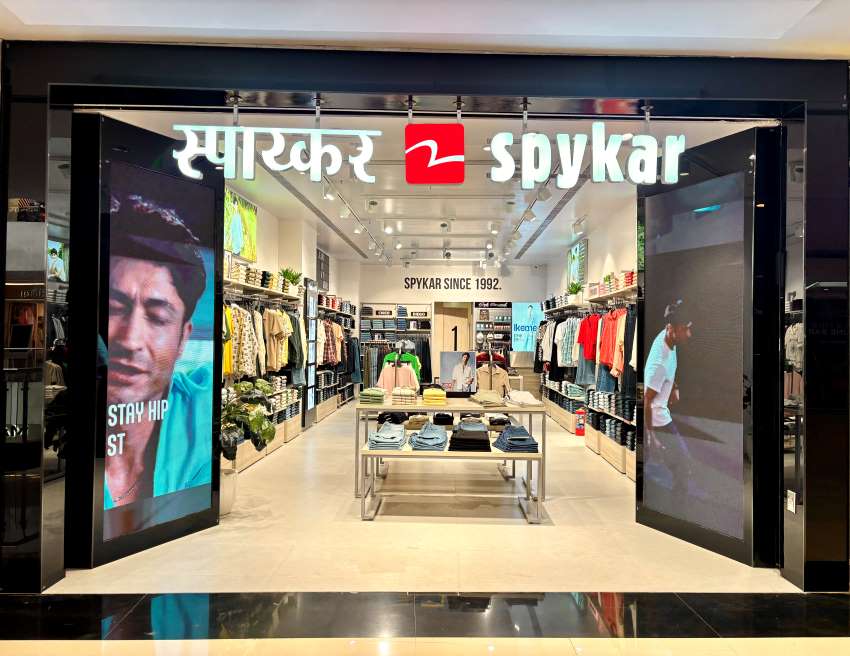
Dubai’s role as a conduit between Indian and global markets is increasingly clear. With a diaspora of roughly four million Indians, the UAE has become the most effective environment for Indian brands to assess international appeal before a wider rollout. Ved points out that Dubai attracts around 18 million international tourists annually, a figure that dwarfs India’s national foreign tourist arrivals. For brands, this concentrated, hyper-diverse audience provides a rare opportunity to adjust sizing, product lines, and style preferences for a global demographic while operating within a familiar cultural context.
Conversely, for Gulf-based brands entering India, Ved stresses the importance of a surgical, state-by-state approach, noting that India’s diverse consumer habits require highly localized strategies rather than a sweeping national launch.
Value fashion and athleisure, the new revenue engines
The commercial focus in Dubai’s retail space is increasingly centered on value fashion and athleisure, two segments that have moved from niche categories to primary revenue drivers. Consumer wardrobes now prioritize comfort, technical performance, and lifestyle functionality, creating demand for yoga wear, casual apparel, and hybrid work-leisure clothing.
To capitalize on these trends, leading retail groups are re-engineering backend operations. Ved highlights that supply chain compression reducing time between design, production, and shelf is now more crucial than chasing buzzwords. Apparel Group’s homegrown brand, R&B, exemplifies this shift. By leveraging accelerated buying cycles and efficient warehouse operations, the brand maintains high inventory turnover, illustrating that operational agility can be as decisive as front-end presentation.
Experiential flagships bridging physical and digital
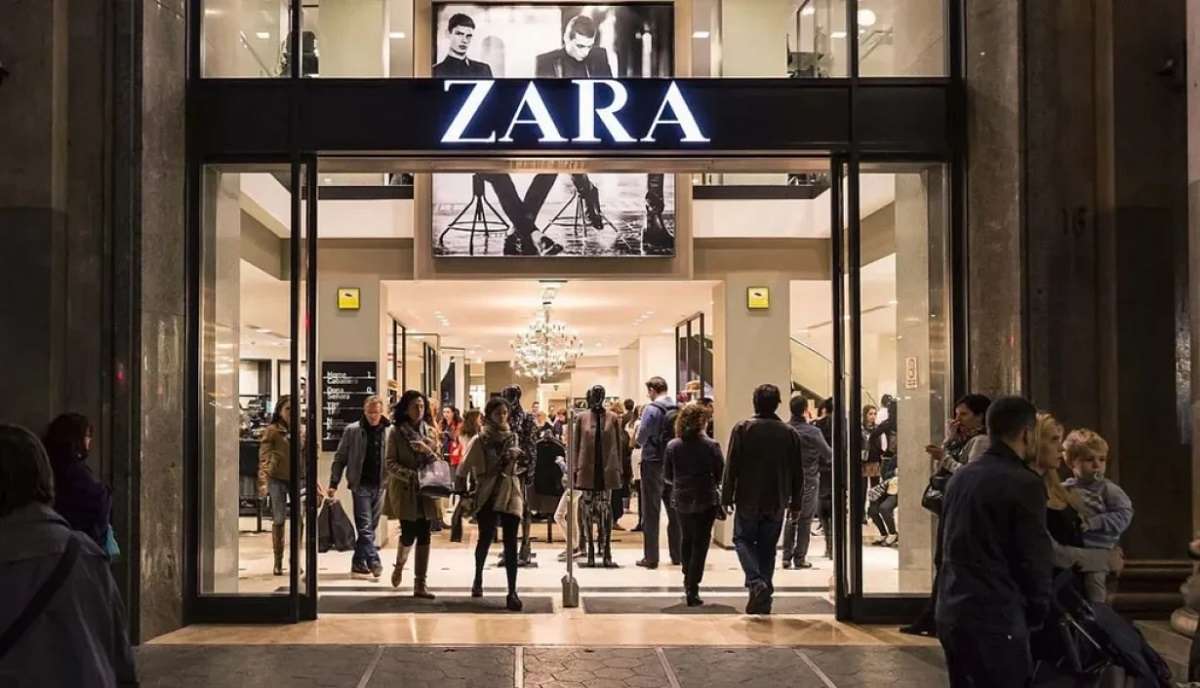
The evolution of Dubai’s retail is also evident in the rise of experiential flagship stores. Rather than purely transactional spaces, these outlets serve as immersive brand showcases, offering experiences that e-commerce cannot replicate. Industry data suggests that while online platforms handle routine purchases, high-street flagships drive brand loyalty and larger transaction values. The challenge is the supply-side deficit: new mall deliveries are lagging behind demand, driving up occupancy costs.
Ved argues that physical retail is not merely surviving in this era it is transforming into a strategic bridge, enabling brands to move from regional dominance to global recognition through curated, immersive experiences.
Apparel Group’s expanding global footprint
Founded in 1996, Apparel Group is a multi-billion-dollar retail conglomerate operating over 2,300 stores across 14 countries. Its portfolio includes more than 85 international brands, such as Aldo, Skechers, and Tommy Hilfiger. The group is aggressively expanding into India and Southeast Asia, diversifying beyond fashion into real estate and grocery retail through a strategic partnership with Carrefour. This multi-pronged expansion underscores a larger trend: international retailers are increasingly treating Dubai not just as a sales hub but as a strategic testing ground for operations, supply chain optimization, and brand positioning on a global stage.
Dubai’s new retail reality
Dubai’s retail transformation signals a broader shift in global fashion strategy. For brands navigating an increasingly complex international landscape, the emirate offers concentrated consumer diversity, operational insights, and a laboratory for innovation. As Ved puts it, Dubai is not merely a mall city it is the central proving ground where global fashion strategies are honed before they go worldwide.