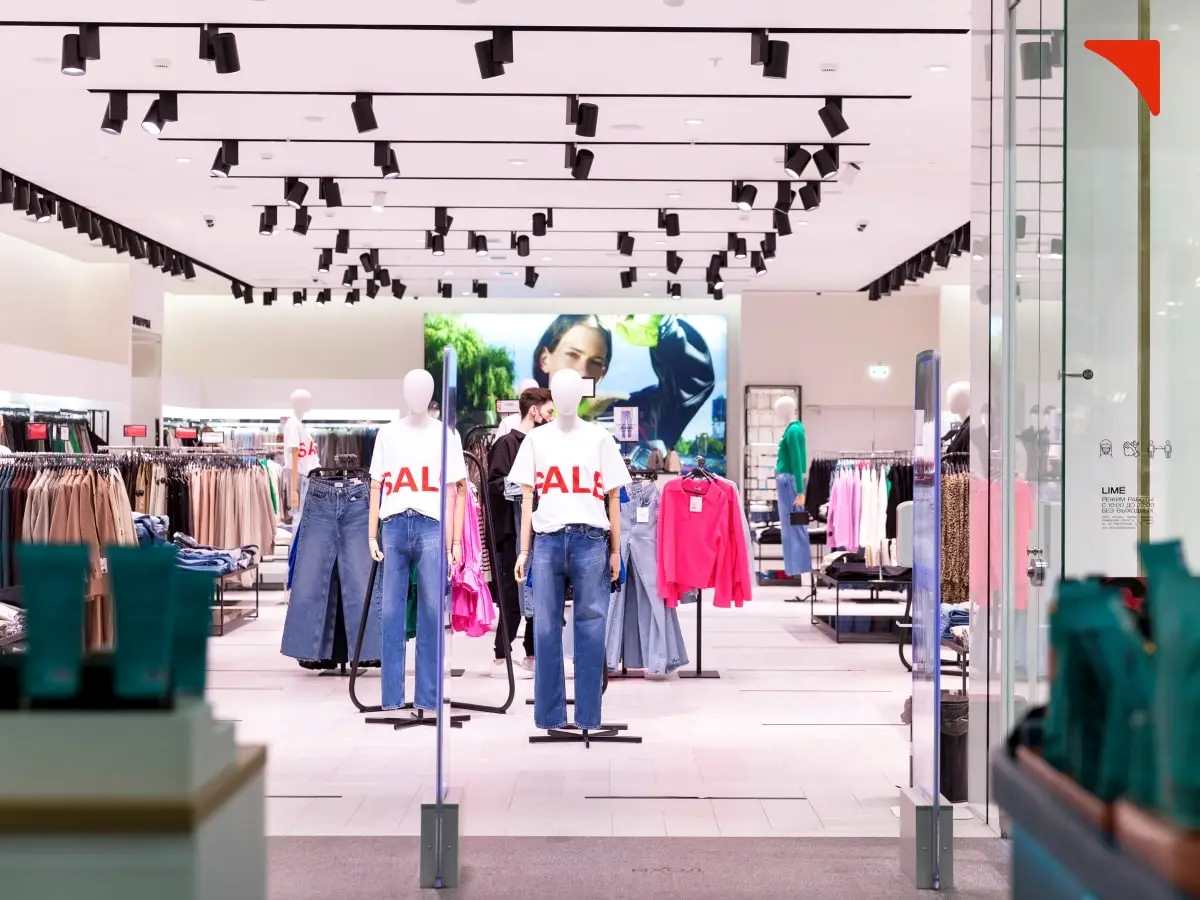
For nearly two decades, the retail storyline seemed straightforward: e-commerce was the future, and department stores were relics. Analysts predicted their demise with the same certainty once reserved for brick phones and paper maps. Yet the real journey of the department store has taken a far more intricate turn. Instead of collapsing under digital pressure, these century-old institutions are experiencing a selective, demographic-driven revival, anchored not by nostalgia, but by a powerful customer base that still places immense value on in-person experience.
The resurgence is not universal, but it is unmistakable. It is powered by one generation in particular: the Baby Boomers, whose expectations around service, trust, and personal touch are reshaping what the department store means in 2025. Their shopping habits contrast sharply with Gen Z’s hyper-digital retail world, revealing a major consumer divide with enormous implications for store strategy, brand positioning, and the future of retail economics.
Two generations, two retail universes
The modern retail economy now operates on a generational split, one driven by algorithms, the other by relationships. A Capital One March 2025 report highlights this divide with stark clarity: Baby Boomers overwhelmingly prefer brick-and-mortar shopping, while Gen Z overwhelmingly favors e-commerce.
But the reason for this divide is not simply age, it’s value perception. Gen Z, shaped by the ‘tiktokification’ of retail, discovers products through short videos, influencers, and digital virality. Their shopping rituals are fast, visual, and impulse-driven. But their convenience-first model comes with frictions: rising return fees, stricter policies, and the exhausting practice of bracketing ordering multiple sizes and returning most of them. With many online retailers tightening return windows, the quick click often leads to a long inconvenience.
For Baby Boomers, the equation is different. They value the store as a place of assurance, service, and savings. Department stores, in particular, offer advantages that online players are gradually withdrawing:
- Flexible return policies that build trust
- Deep in-store discounts unavailable online
- Curated, personal service that mirrors luxury hospitality
These advantages are not abstract they are lived experiences. And they form the backbone of the department store’s evolving identity.
The power of personal connection
At Bloomingdale’s, personal stylist Nancy Quinn represents the new face of department store loyalty. Her clientele primarily women aged 45 to 70 return for her handpicked looks, styling sessions, and follow-up fittings. She waives shipping fees. She hand-delivers outfits to clients’ homes. She texts pictures of new arrivals before they hit the floor. The result is something digital platforms cannot replicate: a relationship.
In an era where Gen Z scrolls endlessly through curated feeds, Boomers are seeking curated humans. And department stores, long known for concierge-like service, are rediscovering that this is their most defensible asset.
Two retailers, two very different fates
Macy’s recent decision to close several of its namesake stores reflects a reality the brand can no longer avoid: mass-market department stores struggle when they cannot differentiate themselves in a world offering infinite digital choice. Yet Bloomingdale’s Macy’s own upscale sibling has thrived.
The reason is structural. Bloomingdale’s targets wealthier consumers less affected by inflation, and it doubles down on premium brands and high-touch service. Its clientele mirrors the demographic keeping department stores alive: older, wealthier, and loyalty-driven. The contrast between the two banners underscores a fundamental shift: department stores that specialize survive; those that generalize struggle.
The hybrid model that works
Nordstrom’s recent success illustrates the future-facing path for department stores. Rather than fighting between physical and digital worlds, Nordstrom fuses them. Its stores act not just as sales floors, but as fulfilment hubs for ‘buy online, pick up in store’; service centers for alterations and personal styling; customer experience zones where convenience enhances not replaces engagement
Nordstrom’s famously generous return policy, sometimes with no time limit, offers cross-channel confidence. For Boomers, it signals trust; for Gen Z, it lowers friction. This hybrid approach is one of the clearest reasons Nordstrom continues outperforming many peers.
Despite the doom narrative, department stores remain deeply relevant in several key categories. The table illustrates the share of online versus in-store purchases across core sectors of department store retail in 2024.
Table: Retail market share by category and channel (2024)
|
Category |
E-commerce share |
Physical stores share |
Growth drivers |
|
Apparel & Accessories |
35% |
65% |
Need to try on items, personal styling |
|
Beauty & Cosmetics |
20% |
80% |
Experiential shopping, product testing, consultations |
|
Home Goods |
55% |
45% |
Convenience of online browsing, but large items often viewed in-store |
|
Luxury Goods |
15% |
85% |
Exclusivity, personal service, brand experience |
The table reveals where the department store continues to punch above its weight. Beauty and cosmetics remain overwhelmingly in-store driven because shoppers want to test products, get shade matches, and seek expert advice. Luxury goods are still dominated by the physical channel due to the experience-driven nature of luxury: service, presentation, and trust. Apparel, though pressured by online growth, still leans heavily toward physical stores because fit, feel, and styling require presence. Home goods show parity the one category where e-commerce has real dominance due to convenience, yet big-ticket items are still often finalized in-store.
These numbers make one thing unmistakable: the core categories in which department stores excel remain categories where physical retail matters most. Further supporting this trend, a 2025 Consumer Edge report shows that most Macy’s and Bloomingdale’s shoppers are over the age of 45. This demographic insight is crucial: while digital-first retail caters to Gen Z, the buying power of older shoppers continues to sustain brick-and-mortar.
A market reinvented, not abandoned
The department store’s resurgence is not a revival of its 1990s mall-era identity. It is a narrowing an embrace of strengths over scale. Rather than serving everyone, department stores are learning to serve someone deeply. Gen Z’s digital-first habits may dominate cultural conversation, but their shopping patterns often lead to impersonal, transactional experiences. Boomers, meanwhile, continue to seek connection, expertise, and service traits that department stores are uniquely positioned to deliver.
And that is the real story of this retail moment. The department store has not died; it has matured. It is becoming a home for high-value shoppers who see retail as more than a transaction who look for trust, advice, and a human face in an increasingly homogenized digital marketplace.
The quiet evolution unfolding across Bloomingdale’s, Nordstrom, and select high-end banners signals a powerful truth for the future of retail: experience still wins, and experience is something no app not even TikTok can fully automate.