The ministry of textiles and jute (MoTJ) has sought a fresh allocation of over Tk 3.55 billion from the government for the state-run Bangladesh Jute Mills Corporation (BJMC), officials said. The amount of money will be spent on jute procurement by BJMC and payment of its different dues Earlier, the government released had released Tk 4.60 billion in favour of BJMC. Besides, it also released Tk 2.70 billion to help the state-run entity in purchasing raw jute and paying gratuity and wages to its employees recently. It is very difficult for cash-strapped BJMC to operate jute mills even after payment of its all dues. The corporation has set target to procure 2.57 million bales of raw jute in the current fiscal year (FY) 2016-17. An amount of Tk 12 billion will be required to meet the procurement target, according to the data available with BJMC. At present, BJMC is the biggest employer in the industrial sector of the country. It provides direct jobs to about 70,000 workers as well as 5,500 officers and employees supporting the livelihood of around 6.0 million farm families. More than 50 million people are directly or indirectly involved with jute and jute industry. The state-run entity is operating 26 mills, including three non-jute industries. There are seven mills in Dhaka zone, ten in Chittagong and nine in Khulna.


- 1
- 2
- 3
- 4
- 5
- 6
- 7
- 8
- 9
- 10
Spykar accelerates offline expansion: plans 100 new stores across India
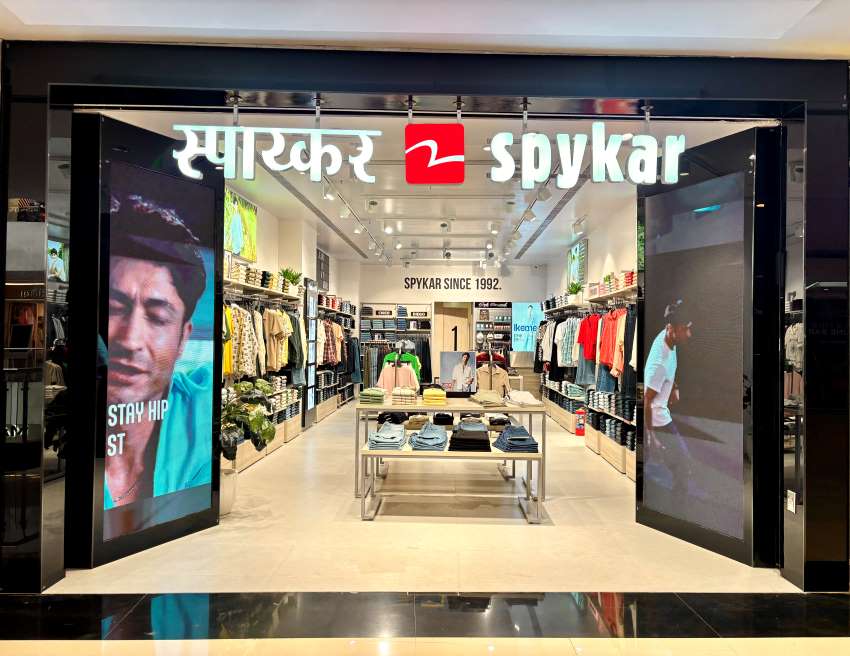
A titan of the Indian denim-first fashion scene, Spykar has officially unveiled an aggressive retail growth strategy. As consumer demand... Read more
The Inventory Illusion: Rethinking the Zara benchmark in a volatile retail era

For over a decade, the global fashion industry has treated the Zara playbook as the gold standard of inventory efficiency.... Read more
Retail Without Retail: How Walmart’s depot network is turning space into logisti…

Walmart is fundamentally rewriting the commercial real estate and retail logistics playbook with the rise of its ‘Walmart Depots’ a... Read more
Global textile regulation tightens, forcing realignment across fashion supply ch…
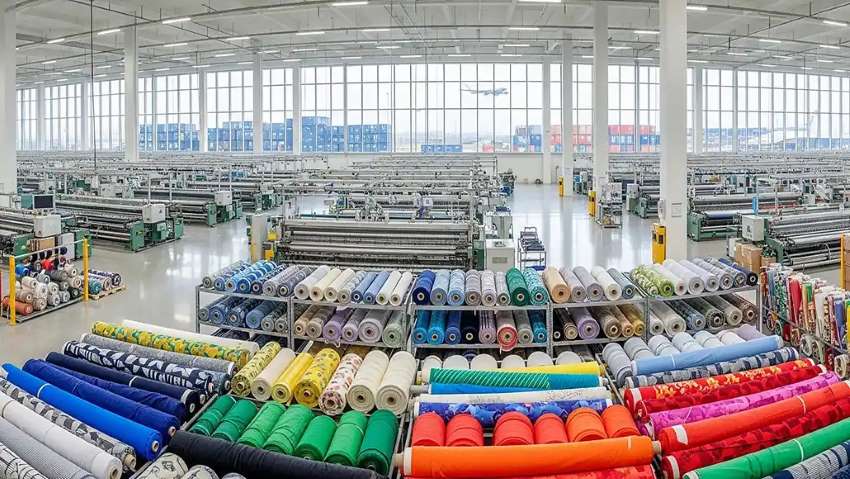
Global fashion and consumer goods supply chains are entering a decisive regulatory transition as Extended Producer Responsibility (EPR) frameworks for... Read more
Luxury’s new power axis, US dominance, China reset, Gulf surge
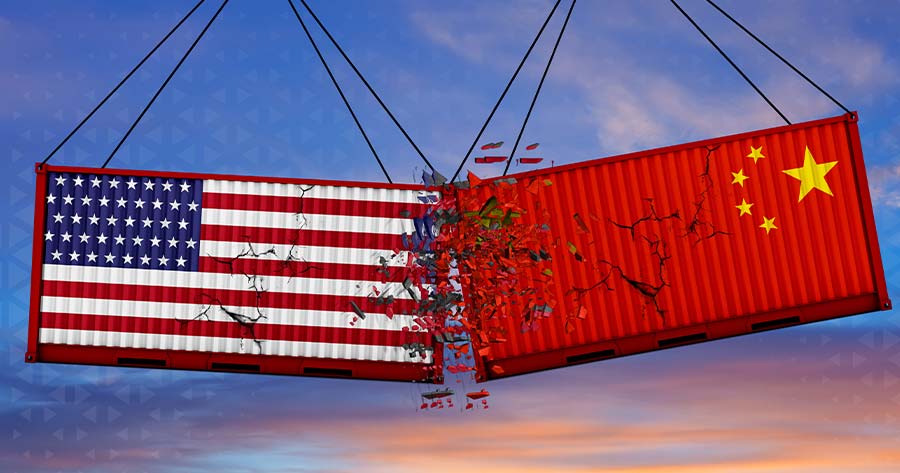
As the post-China luxury order takes shape, the US is emerging as the industry’s most dependable growth engine, while Japan,... Read more
India’s $9 Billion Landfill Blind Spot How trashed clothes hold the key to globa…

A massive economic windfall is sitting uncollected in India’s landfills, and the key to unlocking it lies in rethinking how... Read more
Red Sea crisis reshapes textile trade routes, challenges India’s export margins,…
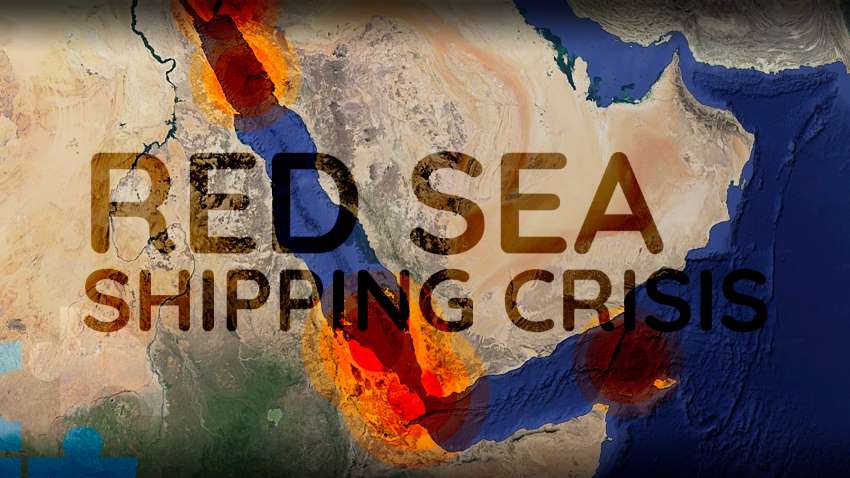
Global apparel trade is now in a new operational phase where geopolitical stability and logistics reliability are as important as... Read more
EU’s textile waste rules enter enforcement phase, raising alarms across fashion …
Europe’s apparel and textile industry is approaching one of its most significant regulatory transitions in decades. As the European Union... Read more
Corporate fashion adopts reverse logistics to unlock the $367 bn resale market

Global fashion retailers are rapidly changing their business models around resale, repair, and textile recovery as the secondhand apparel market... Read more
Tariff Shock 2026: Forced-labor enforcement is repricing global fashion trade
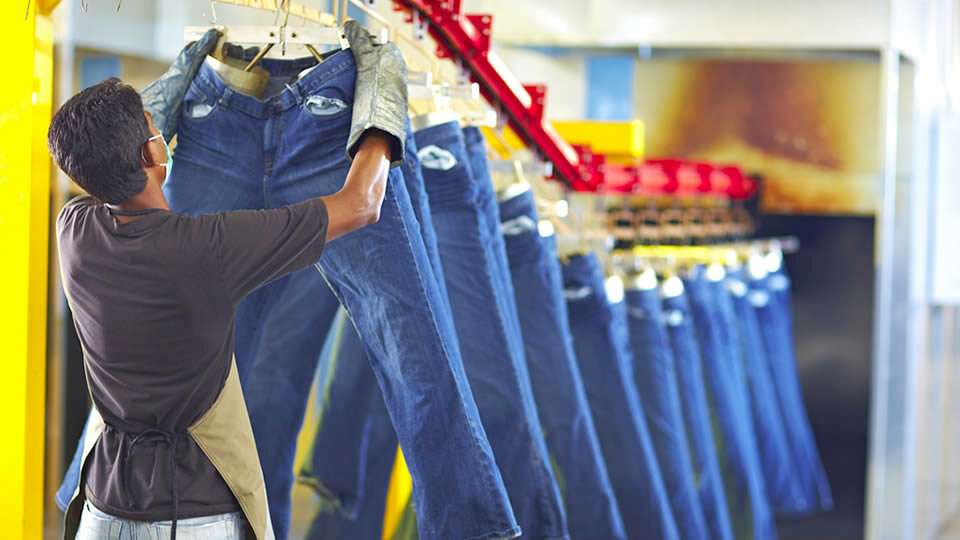
Washington’s latest trade intervention signals a break in the global apparel sourcing patterns. The Office of the United States Trade... Read more

