The Dutch government, along with a coalition of trade unions, non-governmental organizations, and industry groups, has pledged to address the myriad social and environmental issues endemic to garment- and textile-producing countries such as Bangladesh, India, Pakistan, and Turkey. An agreement, drafted under the agies of the Social and Economic Council of the Netherlands, lists child and forced labor, environmental pollution, living wages, better working conditions, and animal welfare among the key areas that require “practical improvements.” Not only does it need to secure funding, but it also has to secure the signatures of at least 35 brands and retailers—representing 30 per cent of sales in the Netherlands—by June.
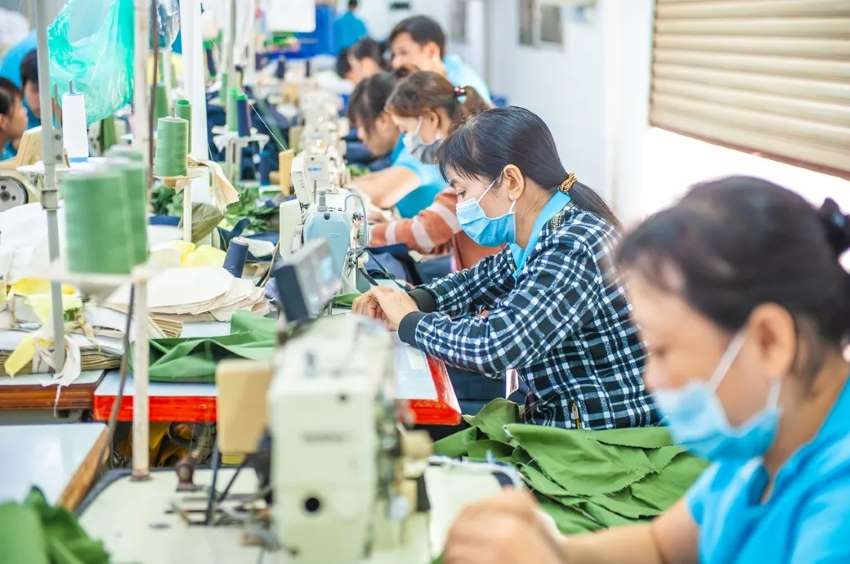
Workers in the textile industry are also exposed to a number of chemicals, especially those engaged in the activities of dyeing, printing and finishing. In the long run, exposure to formaldehyde can lead to respiratory difficulty and eczema. Contact of the chemicals with skin as well as inhalation of the chemicals can lead to several serious health effects.
All signatories, with the help of participating trade unions and civil groups, have to commit to a number of objective. Textile workers are at high risk for developing cancer of the stomach, colorectal cancer, thyroid cancer, testicular cancer and nasal cancer. High levels of noise have been observed in most units engaged in the textile industry, particularly those in developing countries. In the long run, exposure to high noise levels has been known to damage the eardrum and cause hearing loss. Other problems like fatigue, absenteeism, annoyance, anxiety, reduction in efficiency, changes in pulse rate and blood pressure as well as sleep disorders have also been noted on account of continuous exposure to noise. Lack of efficient maintenance of machinery is one of the major reasons behind the noise pollution in a majority of the units. Brands will be required to identify the issues affecting their suppliers at all stages of their supply chains. They’ll also be expected to draw up an “annual improvement plan” with specific goals over the next three to five years. Every year, all parties must issue a joint report on their activities under the agreement and the results they have achieved. The Dutch government says it hopes 80 percent of clothing companies will be on board by 2020, since the covenant’s success hinges on the support and financial assistance of its members.
Friday, 01 April 2016 13:26