In recent years, the printing and dyeing sector has been negatively affected by Chinese government's intensified environmental regulation so end-users were burdened with hiking printing and dyeing cost. On the other hand, dope-dyed chemical fibre with its low cost and eco-friendly property has grown rapidly. Dope-dyed virgin PSF, for example, has developed and gained around 15 per cent total capacity of virgin PSF in 2016. And among the non-conventional varieties, the black one takes the lion’s share for around 60-70 per cent. Compared to conventional virgin PSF, this variety has shown good cost advantage. Black virgin PSF basically trended likewise with semi-dull virgin PSF in 2016. However, the price spread between the two sustained high at around 1500-2300yuan/mt. At the same time, black rose 1500yuan/mt or 18 per cent, showing this variety has a better anti-risk ability compared with the cost-sensitive conventional PSF which hiked around 2000yuan/mt or 33 per cent. The fundamental reason for the development of doped dyed virgin PSF is its low cost and eco-friendly properties. Compared to 6000yuan/mt cost of printing and dyeing for conventional spun yarn and grey fabrics, downstream plants will save around 4000yuan/mt using black virgin PSF as the feedstock. Not to mention that their production is free from political influence such as environmental regulation. Thus nowadays, the whole industrial chain from chemical fiber plants, spinners to fabrics plants, all are devoted to proclaiming the dope-dyed product to cater for the idea of environmental protection.


- 1
- 2
- 3
- 4
- 5
- 6
- 7
- 8
- 9
- 10
Virtual wardrobes redraw retail boundaries as gaming platforms become fashion ec…

The boundary between physical clothing and digital apparel is rapidly eroding as gaming environments evolve into fully functioning consumer markets.... Read more
From Estimates to Audits: Virgin PET data disrupts global synthetic fiber econom…
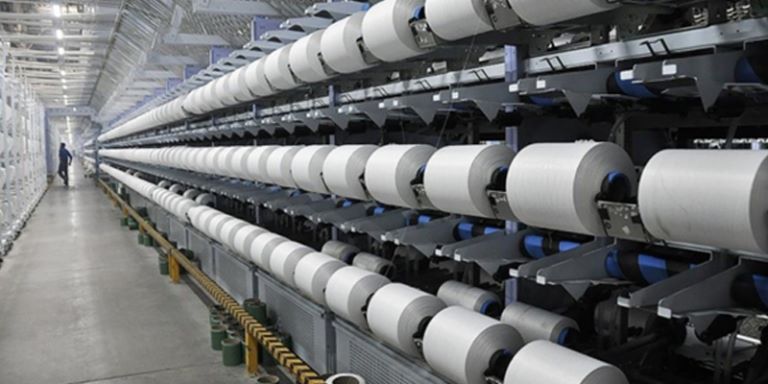
The global textile industry is recalibrating how environmental impact is measured, priced, and regulated. While polyester continues to dominate global... Read more
Retail’s new growth map in China, rise of premium wealth, senior spending

For decades, global fashion and retail companies built their China strategies around the rapid expansion of an aspirational middle class... Read more
Post-peak correction global cotton markets adjust amid shifting fundamentals

Following a period of aggressive increase, global cotton benchmarks have entered a cooling phase. The bullish momentum that propelled prices... Read more
From Runway Blueprint to Retail Rack: How Milano’s ‘Ready to Show’ shapes global…
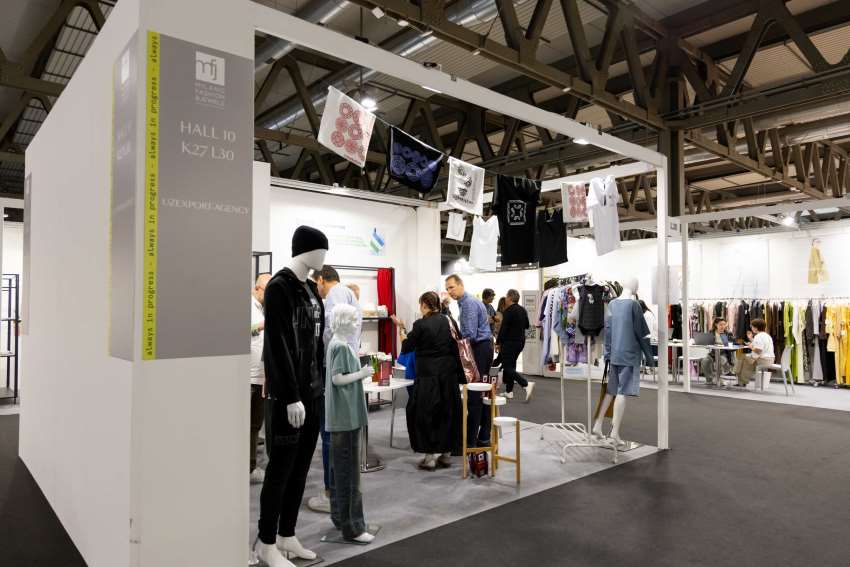
As the fashion elite prepare their calendars for the Spring/Summer 2027 runway shows, an equally vital, multi-billion-dollar machinery is quietly... Read more
Natural fibers gain ground as microplastic awareness alters apparel demand

The global apparel industry is entering a new phase of disruption as consumer concern over microplastic pollution begins to materially... Read more
Global cotton output declines, raising stakes for spinners and fabric makers
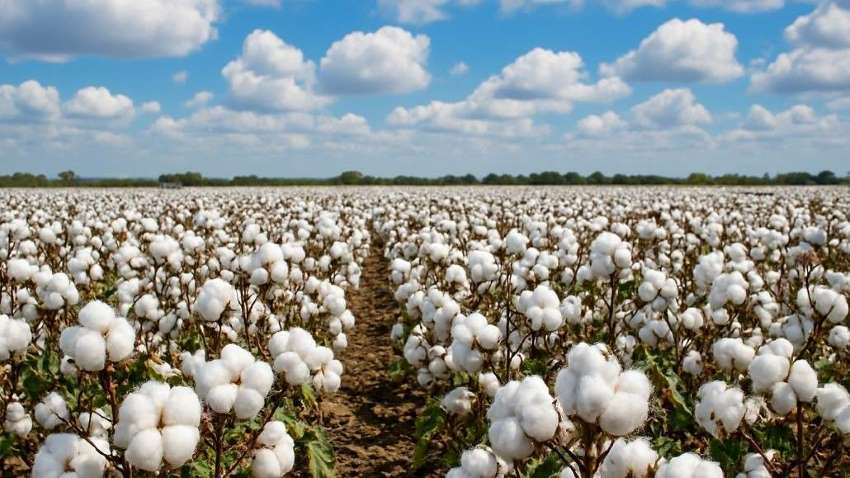
A simultaneous drop across the global natural fiber sector is reshuffle-mapping trading dynamics for international textile mills, yarn spinners, and... Read more
Apparel’s inflation premium in the US signals a tough road for retailers

The latest inflation data from the U.S. Bureau of Labor Statistics has conveyed an important warning for the fashion and... Read more
The Alchemy of Adornment: Decoding the ‘Runway Trends’ and ‘Sartorial Shifts’ of…

As the global luxury sector navigates shifting economic currents, Milan continues to solidify its role as the definitive compass for... Read more
Engineered to Perform: How bio-based textiles are rewiring the $1.15 trillion at…

The global athleisure industry is entering a reset as the next phase of competition shifts from celebrity endorsements and logo... Read more

