C&A Foundation has halted grants for philanthropic work in Myanmar. The country’s handling of the Rohingya crisis has been cited as the primary reason for this decision. While withdrawing new grants, the foundation will ramp up efforts to support those suffering from gender-related discrimination and human trafficking in the region. It is also increasing support to humanitarian relief and the prevention of gender-based violence and human trafficking among the growing refugee population in Bangladesh.
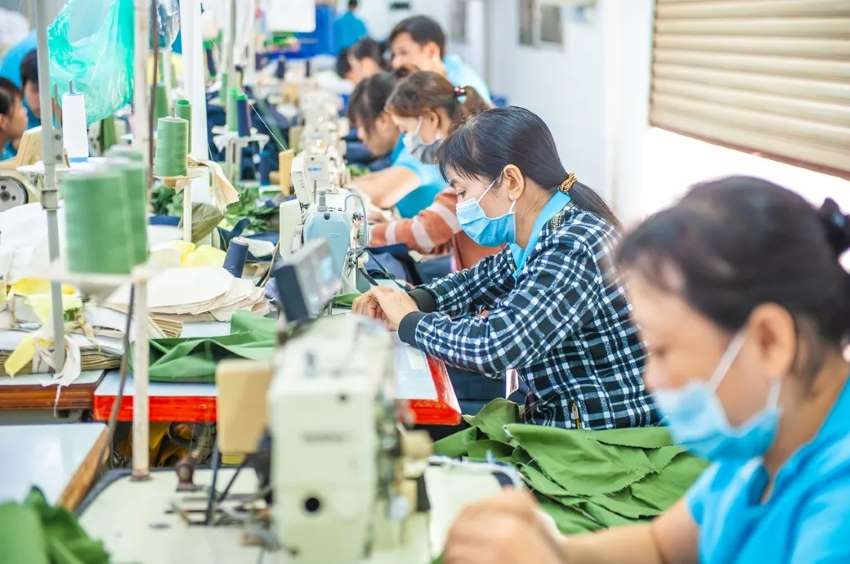
Myanmar has been the subject of much derision over recent months and years with the ongoing Rohingya crisis and subsequent human rights violations having direct implications on the textile and fashion industries of the nation. In 2016, C&A began its support for initiatives in Myanmar in an attempt to ensure the safety of garment workers through engaging industry stakeholders and the Myanmar government.
C&A was founded in Switzerland in 1841. It is one of the most longest lasting and pioneering retailers in the global fashion business. One of the main focus areas of the foundation is eradicating forced and child labor. C&A Foundation aspires to improve the social, economic and environmental conditions of the cotton and apparel supply chain and as such sees social purpose organisations as key to achieving this mission.
- 1
- 2
- 3
- 4
- 5
- 6
- 7
- 8
- 9
- 10
Global cotton enters a deficit year in 2026 as supply drop meets logistics risk
The global cotton economy has entered a fragile and sensitive phase. Early projections for the 2026-27 season suggest that world... Read more
India’s textile trade gets a Pacific push as New Zealand FTA removes tariff barr…
India and New Zealand have inked a ‘once-in-a-generation’ Free Trade Agreement (FTA), one that will have a profound impact on... Read more
Lululemon’s world-first nylon circularity push signals a new apparel arms race
The global apparel industry’s circularity narrative is entering a more technically demanding phase. Polyester recycling once the flagship of sustainable... Read more
Beyond the DTC Rush: Levi’s hybrid channel strategy sets a new retail benchmark
The global apparel sector is entering a phase where channel strategy is no longer a tactical lever but a core... Read more
The New Rules of Resale: EPR turning secondhand into fashion’s strategic growth …
The global fashion industry is facing a decisive regulatory and commercial reset. What began as a sustainability narrative around reuse... Read more
The 2027 Mandate: Why denim’s future hinges on verifiable data
For decades, the global denim industry has relied on a narrative of durability, heritage, and authenticity. That narrative is now... Read more
Europe’s textile core unravels as costs, imports and policy pressure bite
Europe’s textile and apparel sector, long seen as a benchmark for craftsmanship and industrial depth, is slipping into a prolonged... Read more
Automation, innovation, regulation are the forces shaping textiles in 2026
The global textile sector has entered a new era. Early 2026 saw the industry breach a $1.06 trillion valuation, reflecting... Read more
The new Brussels rulebook, every EU apparel order is now a balance-sheet risk
The humble export order sheet is undergoing a transformation. What was once a straightforward commercial instrument: SKU, volume, FOB price,... Read more
Why 2026-27 could be a defining cotton year for India’s farm-to-fashion economy
The global cotton economy is entering a more constrained phase, and for India, the implications run far beyond the farm... Read more