FW
Rise in US’ apparel imports ring in cheer among sourcing countries
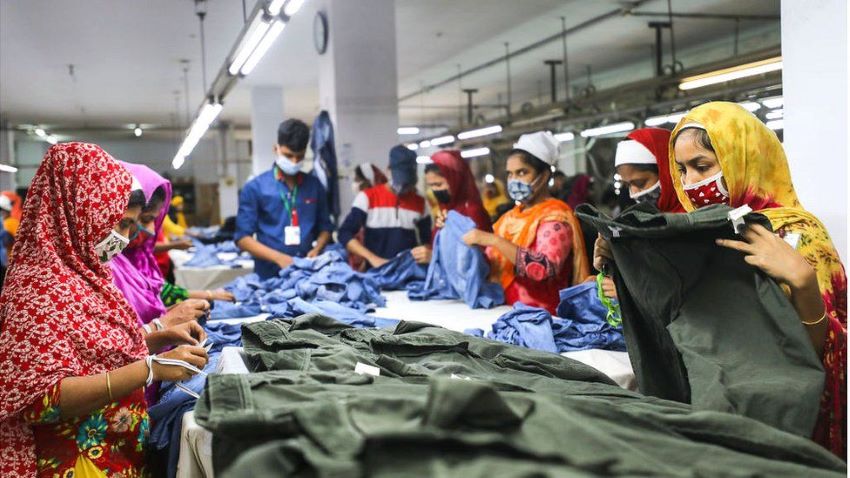
The pandemic rang in bad tidings for apparel exporters in South and Southeast Asia as the dip in US’ imports was significant. Compared to imports worth $111.033 billion in 2019, year 2020 recorded a dip to $89.596 billion. The trend took an upward turn in 2022 as The US Department of Commerce released figures for the first half of the year. The import figures indicate that US economy is witnessing fast recovery, and the world’s largest economy is continuing to support economic recovery in developing countries.
Upswing in textile imports
The import of textiles and apparel by the US continues to grow at high rate and rose 30.97 per cent to $66.308 billion in the first six months of 2022, compared to $50.626 billion in the same period of 2021. With 26.80 per cent share China continued to be the largest supplier of textiles and clothing to the US, followed by Vietnam with 13.87 per cent. As per Major Shippers Report, apparel constituted the bulk of textiles and garments imported by the US in January-June 2022, and were valued at $49.578 billion, while non-apparel imports accounted for $16.729 billion. In contrast, import of apparel to the EU experienced a dramatic drop of 80 per cent.
Man-made fibers constituted the largest chunk at $33.4 billion, with cotton at second place at $29.5 billion. Products from silk and vegetable fibers accounted for $1721.6 million whereas wool products stood at $1648.5 million.
China continues to lead
China retains its pole position as the largest exporter to the US. The US textile and apparel imports volume from China in July 2022 reached 3.21billion m2, down 9 per cent year-on-year. Import value reached $3.59billion, up 26.7 per cent year-on-year. US apparel imports value from China in Jul 2022 toppled $1.27 billion, up 22.7 per cent year-on-year. The textile industry of China is the largest manufacturer and exporter in the world with an export turnover of $266.4 billion. Low-cost production, raw material quality, industrial structure, modern high-tech machinery, label development and work process in domestic consumer and global market contribute to China’s unshakeable leadership in this sector. The output volume of China textile industry accounts for more than half of the global market.
Other gainers were Bangladesh up 60.3 per cent, Indonesia up 60.27 per cent, India up by 57.2 per cent, Cambodia which recorded a rise of 52.5 per cent and Pakistan grew 50 per cent year-on-year. The non-apparel sector also experienced a growth surge as Cambodia’s exports rose by 73 per cent, Vietnam 29 per cent and Italy 27.5 per cent. Turkey was the only nation that lost ground by nearly 8 per cent. However, with all figures released, the ASEAN countries collectively experienced the best in this growth surge whilst India and Bangladesh did not.
It should be noted that US apparel imports enjoyed a decent growth but started to face softening demand. Thanks to consumers’ spending, in the first half of 2022, US apparel imports went up 40 per cent in value and 24 per cent in quantity from a year ago. However, the US economy remains highly uncertain in the medium term and it might see many US fashion companies to turn more conservative in placing orders.
Reusing garments will save carbon emissions: Study

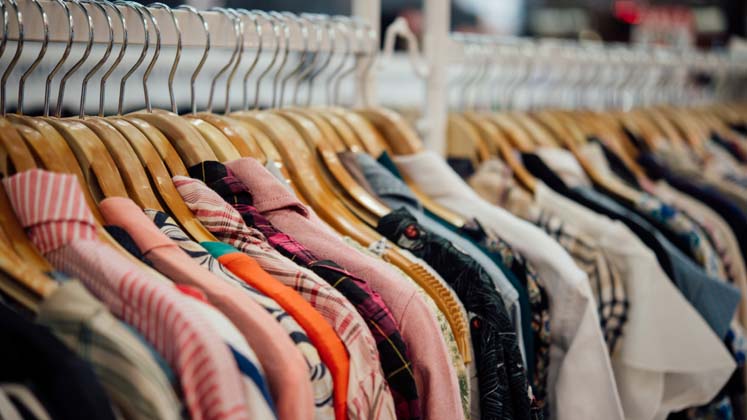
According UPC’s INTEXTER, an innovative study to get an accurate reading has revealed that reusing a mere kg of cloth saves 25 kg of CO2 emission. The global clothing sector is responsible for anywhere between 2-10 per cent of global carbon emissions.
The study was conducted by analyzing 550 kg of clothes from the Formació i Treball Foundation clothing bins. This innovative research was the first of its kind to characterize the fibers that make up T-shirts, shirts, coats, trousers, jackets and other kinds of clothing that are dumped in textile collection bins. The innovative initiative was based on crushing garments and standardizing the mixture by means of two steps: first, automatic carding; second analyzing the resulting webs using the standardized chemical methodology. The result allows for the determination of the composition of textile products, including the standard moisture regain of every fiber.
Study highlights
Results revealed that out of all the clothing in the dumping bin, 62 per cent are reusable and 37 per cent are recyclable. The study concludes that the most common fiber is cotton, with 50 per cent in recyclable clothes and 60 per cent in reusable clothes. Polyester follows, with 30 per cent in both types. Therefore, cotton and polyester account for about 80 per cent in recyclable clothing and 88 per cent in reusable clothing. The study pointed out that acrylic fibers account for a much lower percentage. Therefore, a large difference between recyclable clothing (12.4 per cent) and reusable clothing (3.1 per cent) emerges, because clothing made from these fibers deteriorates easily. INTEXTER Director Enric Carrera says, "In light of the analysis, we can say that the recycling strategy of post-consumer textile waste should focus on recovering and reusing 80 per cent of the predominant fibers, namely cotton and polyester."
Popular fast fashion brands, Zara, H&M, C&A and Mango were a part of the research. T-shirts, jumpers, jeans, underwear, socks and shirts being retailed through these brands’ e-commerce sites were analyzed for their fiber composition. 66.8 per cent of the garments analyzed contained mixed fibers, which significantly limits their recycling potential. Only 37.3 per cent of the garments studied were 100 per cent made with a single fiber. Studying home textiles from Ikea, Zara Home, H&M Home, 10xDIEZ and Carrefour revealed a different fact as bed sheets, towels, curtains and tablecloths are usually manufactured from a single fiber.
Carrera says, "If we could double the lifespan of garments, we would be reducing the fashion industry's greenhouse gas emissions by 44 per cent. Extending the active life of clothing by just nine months would already reduce carbon, water and waste footprint by 20-30 per cent. An increase of 10 per cent in second hand sales could save 3 per cent of carbon emissions and 4 per cent of water, according to data from the report Valuing Our Clothes: the cost of UK fashion, published by WRAP in 2017."
A recent study published by Labfresh found that 57.1 per cent of fashion waste from 15 countries across the EU ends up in landfills. This is a clear indication that the way forward is to reuse and recycle. The EU has been championing the cause by imposing stringent regulations for the fast fashion industry, setting achievable goals that manufacturers have to comply with.
US is biggest importer of African clothing
The US was the largest market for apparel exports from African nations during January 2022 to June 2022.
Apparel exports to the US in the first half of this year were 22 per cent of their total exports. Spain is the second biggest market for African apparel. Exports to Spain amounted to 20 per cent of total apparel exports from African countries. France is the third largest market for African apparel with a share of 14 per cent. Italy and Germany are the fourth and fifth largest markets for Africa apparel. UK accounted for five percent of African apparel exports, Netherlands two per cent, UAE two per cent, South Africa two per cent and Belgium one per cent. Northern countries of Africa have an edge in the European market due to their proximity to the continent. Jordan, Kenya, Lesotho, Mauritius, and Ethiopia are prominent apparel exporting countries in Africa.
Africa hopes to have a thriving apparel manufacturing industry. The continent is poised to take on more production in the midst of global trade wars and rising wages in China. Africa is equated with cheap manufacturing. Some labels, however, are seeing an opportunity that goes beyond mass production. They are working with local artisans, offering community groups a consistent, sustainable income, while showcasing local expertise.
Shein accused of double standards
Fast fashion company Shein has irked environmental activists by launching a resale program to address the ongoing issue of textile waste on the same day a documentary about the fast-fashion company’s labor practices was released.
Since its creation in 2008, the Chinese-owned e-commerce store has exploded in popularity, and its fast-rate production has made rivals unable to keep up. At Shein’s many factories in China workers regularly put in 16-hour days with quotas of 500 garments a day. While the clothing retailer has steadily fed the appetite for super trendy, budget-friendly threads, the true cost of the fast-fashion giant has led activists to criticize its business model and call for change.
The company has pitched its resale program as an opportunity to better promote mindful consumption and says it is just one of its various initiatives designed to put sustainability on the agenda. Over the past two years, nearly 100 brands have launched some version of a resale platform, designed to extend the lifespan of their clothing.But, according to activists, fast fashion is barely sturdy enough to wear once.
Shein has a capacity to produce more than 1000 new designs every day but is accused of feeding into overconsumption by pushing several microtrends simultaneously.
Pure London to be held in February
Pure London will be held in the UK, February 12 to 14, 2023.
This is the United Kingdom’s leading trade fashion buying event and will present the best of the new season’s must-have collections, showcase the latest trends, exclusive business insights, and an unrivalled opportunity to network with a global platform for women’swear, accessories and shoe brands and designers to meet with buyers.
The event is bringing together some of the industry’s leading brands and creative minds to discuss the biggest issues facing the fashion industry in a series of pioneering podcasts and articles available on the Pure London website. Pure London launched the Power of One initiative back in 2018 to raise the conversation around sustainability in the fashion industry and continues to champion this through the event and in this content series.
It champions the belief that the number one way a business can become more sustainable, or even more mindful and conscious in its practices, is to look at the amount of waste going out. Within the fashion industry the amount of textiles that go to landfill or are burnt is approximately a truck full every second.
The fashion industry has also been at the center of the conversation surrounding body positivity and faces many challenges as diversity has become an integral consideration to consumer purchasing decisions.
Puma Q3 sales up 16%, margins drop 46%
For the third quarter Puma’s sales increased by 16 per cent. Gross profit margin decreased to 46 per cent. Operating expenses increased by 25 per cent. Operating result improved by 12 per cent. Net earnings improved by one per cent.
Despite all the global uncertainties the third quarter was again a very good quarter for the company and was the best quarter in Puma’s history.Improved product availability due to a more stable supply chain, better than expected sell-through and Puma’s continued global brand momentum overcompensated all the negative external factors.
The Americas region recorded a strong sales growth of 18 per cent. Sales in EMEA were up 18 per cent, driven by strong growth across almost all key markets in Europe. The Asia/Pacific region recorded sales growth for the first time this year. While Covid-related lockdown measures still impacted the business in Greater China, other key markets in Asia/Pacific delivered strong growth. Sales in footwear were up 33 percent and apparel grew nine per cent driven by continued strong demand for performance categories like running and training, teamsports and basketball as well as for sportstyle. Sales in accessories were down ten per cent because of a softer leg- and bodywear-business, especially in North America.
Malaysia gets a taste of Indya
Indya has opened an exclusive brand outlet in Malaysia. This is the brand’s first exclusive outlet both in Malaysia and outside of India.
It is a franchise store and it retails Indya’s range of everyday kurtas and sets as well as occasion wear and accessories. The aim is to increase and strengthen the brand’s reach in international markets, bringing differentiated ethnic occasion wear at affordable price points to the Indian diaspora.
The brand is looking at opening stores in regions with strong NRI communities such as the US, Canada, South Africa, and the Middle East. The plan is to make international a key channel for the business and increase its contribution to revenue to 25 per cent by next year.
Indya mixes classic Indian aesthetics with modern styling to appeal to a range of age groups. Indya, a part of New Delhi-based fashion house High Street Essentials, was born out of a thought to modernize ethnic fashion by considering the evolving lifestyle and needs of the new-age woman.
Indya has since grown to become one of India’s leading omnichannel fashion brands. Besides retailing in the country through its website, online marketplaces, 400 shop-in-shops and 32 exclusive brand stores, the brand also serves a robust international market that currently contributes to 18 per cent of its total revenue.
Jeanologia 2021 turnover up 55 per cent
Jeanologia’s turnover increased by 55 per cent in 2021 compared to that in 2020. As a result of its improved performance, the company repaid the funding sought in fiscal year 2020 and restored the equity balance of its Italian subsidiary, which had generated losses during the pandemic.
In 2021, the company committed to strengthening its Eco line and presented new solutions for reducing water consumption in garment dyeing as well as a new model for on-demand production and a tool for measuring sustainability in denim.These results have brought Jeanologia close to pre-pandemic levels, albeit still short of them as the health crisis had a major impact on production volumes and the company’s financial statements.
Founded in 1993, Jeanologia specialises in laser and sustainable technologies for textile finishing and employs 250 people across its ten subsidiaries. Exports of its machines and services account for 90 per cent of its turnover and 35 per cent of the 5,000 million jeans manufactured each year in the world employ its technologies. Jeanologia has developed an innovation laboratory to transform physical stores into digital and sustainable experience centers for consumers.The company has worked together with top brands and retailers in a new in-store model focused on eco-efficiency, personalization, and digitalization.
Coats solution helps hike efficiency
Dice Sports and Casual Wear has streamlined its production lines by using Coats Digital’s GSDCost solution.
This has enabled Dice Sports to achieve a 16 per cent efficiency increase on its production lines and reduce its core style Standard-Minute-Values (SMVs) by 11 per cent. Dice adopted GSDCost at the beginning of 2022 to help it overcome a series of costing, planning and manufacturing inefficiencies.
The company found that capacity planning and subsequent order cost quotations were not founded on accurate data but were instead based on historically recorded experiences via Excel spreadsheets and emails. Without a standardised benchmark to record accurate SMVs on the production floor, Dice, consequently, had no way of ascertaining whether its plan/cost targets reflected the reality of its manufacturing processes.The lack of a standardised method across all its manufacturing units consequently resulted in lower productivity which negatively impacted both ODTP targets and overall profitability.
Dice Sports and Casual Wear is an Egyptian knitted garment manufacturer. Coats Digital is the software business of Coats, the world’s leading industrial thread company and a trusted industry player. GSDCost is the international standard for establishing and optimising accurate method-time-cost benchmarks for sustainable garment cost optimisation and manufacturing excellence.
Egyptian Cotton Hub joins ITMF
Egyptian Cotton Hub (ECH) has joined ITMF as corporate member. The ITMF and all ITMF members can benefit from ECH’s unique expertise and experience both in Egypt and the region as well as around the world.
ECH is a subsidiary company of the Cotton and Textile Industries Holding Company (CTIHC). These factories have been merged into nine companies located across Egypt. ECH is the marketing and sales arm of CTIHC. The company manufactures a wide range of products covering everything from yarns to finished garments including medical cotton. Furthermore, it also owns two different brands, Nit and Mehalla, to serve a wide range of customers with a variety of products.Egypt’s first public sector factories and companies were established in the 1920s. This then grew to a total of 33 factories. Each factory has a rich history and a deep heritage, with more than a century of textile experience.ITMF founded in 1904 is the international forum of the global textile value chain from fiber to finished products. Its members are from textile and apparel-producing countries representing approximately 90 per cent of global production.ECH looks forward to being an active partner of ITMF since ITMF produces a wide range of informative publications, statistics, and surveys that help companies to better navigate through the ups and downs.