


FW
Wrong facts about rising cotton, cotton yarn price affecting sector, says TT chairman
 In an open letter to the chairman of Apparel Export and Promotion Council, CMAI chairman, presidents and secretaries of all garment and hosiery associations and prominent garment and hosiery manufactures, Rikhab C Jain, Chairman, T.T. Ltd has written the stats put forward by CITI and Spinning Associations to the Minister of Textiles, Commerce and Railway, Piyush Goyal on cotton and cotton yarn price rise is skewed and incorrect. He writes, indeed there are conflicting interests within India’s textile industry but no stakeholder should give wrong information, incorrect, skewed and twisted data about the impact of over 70 per cent rise in cotton prices within last few weeks.
Incorrect facts on cotton and cotton yarn price rise
Jain highlights CITI statement that cotton accounts for 55 to 60 per cent of yarn cost and yarn cost account 20 to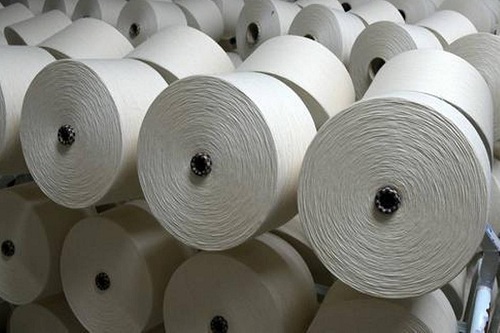 25 per cent of the garment and made up cost is untrue thereby creating a wrong impression on decision makers. Jain counters CITI statement that says yarn cost for garment is 20 to 25 per cent only. “Yarn cost for garment, made up and hosiery articles will range from 40to 65 per cent depending upon lower segment, middle segment or higher segment products. Obviously packing cost and value addition is more in case of elite products but even their yarn cost is not less than 40 per cent. In case of fabric, yarn cost may touch even 80 to 85 per cent. For instance, for white cotton knitted fabric the value addition is just 15 to 20 per cent,” Jain writes.
He goes on to say “Spinning Mill Associations and CITI have wrongly printed papers to impress that rise in cotton prices and cotton yarn prices have not gone up in tandem.” Cotton yarn prices have moved up over 65 per cent against cotton price rise of 80 per cent in the post COVID period. This clearly shows, yarn prices has moved up much more than warranted. “Even if cotton cost is taken as 60 per cent of yarn cost, yarn prices should not have increased by more than 50 to 55 per cent (assuming 10 per cent inflation in other costs).” And this has impacted clothing prices at a time when consumers are hard up on spending.
Jain goes on to explain as price of knitting, processing and margins of spinning mills have increased, garment and apparel sector must raise the issue of increased burden due to cotton and yarn price rise. “Lot of spinning mills earn reasonably but not unduly. Lets not speculate in cotton, not disturb the textile industry, the mother industry of India.” He argues, the facts presented to the minister are wrong and disturbing and were presented with an objective that the government should not to take any action against speculation and cotton speculators.
In his letter Jain has urged all garment, apparel and hosiery, made ups, fabric manufacturer including Khadi and handloom to take immediate action on the crisis due to rising cotton prices. He sums up by saying “Let fresh representation be made to the government and spinners associations. CITI in fact is not an apex textile body but only a new version of Indian Cotton Mills Federation (ICMF).”
US apparel retailers record strong sales
US apparel sellers are seeing customers returning to stores. Customers returning to schools and offices are shopping more at physical stores following the easing of Covid curbs. People stuck at home during lockdowns turned to comfortable joggers and sweatshirts, but reopening of schools, workplaces and public spaces following vaccinations has prompted them to splurge again on street wear, including jeans and shirts. The start of holiday season has been promising. Customers have come out early to shop and have been responding well to assortments. Retailers have shrugged off holiday inventory concerns, confident they have ample goods despite port congestion and some factory closures. American department store chains delivered strong results for the fiscal third quarter.
American Eagle Outfitters’ inventory at cost at the end of the third quarter increased 32 per cent as it deployed pricier air freight to navigate global supply chain issues. The apparel chain has been beefing up its logistics game. Total net revenue increased 24 per cent from a year earlier. American Eagle revenue jumped 21 per cent while that of the brand Aerie, which sells leggings and bras, rose 28 per cent. Similarly Abercrombie & Fitch’s net sales rose ten per cent. Sales at Macy’s stores rose 35.6 per cent.
Growing pandemic cases in EU could hamper Bangladesh RMG makers
With Coronavirus cases increasing again in Europe, it will have a massive impact on the Bangladeshi readymade garment sector, given that it is the largest destination for clothes manufactured in Bangladesh. Bangladesh sends over 50 per cent of its exportable goods to the European Union markets.
Europe has once again become the epicenter of the pandemic, with many European Union nations recording the highest Covid cases in recent days. Bangladesh is concerned about the current spread of Coronavirus in major EU markets. The readymade garment sector had started getting orders and had been on track after overcoming the pandemic last year. The entire workforce was a victim of Covid during the lockdown. Workers lost wages during from March to May of 2020 alone, mainly because there were not enough orders to keep factories afloat. Some 82 per cent of workers’ income declined. By June 2020, export orders had fallen by 40 to 45 per cent compared to 2019. Workers also faced critical challenges to their mental health and overall emotional well-being, being worried about both the pandemic and their financial futures — providing for their families, feeding them, and caring for their children.
Sri Lanka’s apparel, accessory makers unhappy about paying in local currency
For the first 10 months of 2020, Sri Lanka’s apparel and textile exports grew by 21 per cent. The overall export and deemed export industry is facing serious challenges in logistics, both in terms of cost and lead times. Additionally global apparel brands are pursuing an in-country verticality strategy for sourcing their products.
Fabric and accessory manufacturers say that by encouraging the local apparel and textile industry, the industry has potential and is poised for certain growth if the environment remains conducive. This in turn can support the economic needs of the country. The Fabric & Apparel Accessory Manufacturers Association (FAAMA), which is the governing body of fabric and apparel accessory manufacturers in Sri Lanka and a subsidiary association of the Joint Apparel Association Forum Sri Lanka (JAAF), expressed its concerns and recommendations in writing to the CBSL Governor Nivard Cabraal.
However, a move by the Central Bank of Sri Lanka requiring apparel exporters to use only local currency for domestically sourced inputs has caused a furore across the biggest foreign exchange earning sector. Fabric and apparel accessory manufacturers sell their products directly to apparel exporters (locally and overseas) hence their businesses are classified as deemed exporters.
The entirety of industry invoicing to apparel exporters has always been in dollars, euros or sterling pounds. The raw materials they require, such as yarns (both cotton and synthetic), dyestuff, chemicals etc, including machinery and spare parts, are not available locally and have to be imported from different countries around the world. Payment for such materials and machinery needs to be settled in dollars.
Indonesia’s Asia Pacific Rayon plans circular operations
Asia Pacific Rayon (APR), Indonesia’s largest integrated viscose, rayon producer is committed to having a positive impact on climate and nature, clean manufacturing, circularity and inclusive communities by 2030. APR aims at pioneering accelerating circularity by producing 20 per cent of its viscose using recycled textiles. It will collaborate with industry partners to advance the collection, sorting and recycling of textile waste.
Through partnerships and investments, APR will further its research to understand the economics and logistics of recycled textiles, engage with the textile design community to inspire creativity and forge partnerships with innovators to advance technology solutions at scale. It will pioneer textile waste recycling in Indonesia, from establishing the collection, sorting and logistics infrastructure needed to ensuring textile waste do not end up in landfills. Another key aim is to move sustainable fashion beyond being niche and make it accessible to designers and consumers everywhere. The company would focus on closed-loop technology and product innovation as well as clean manufacturing and is committed to reducing 50 per cent of its water use, 80 per cent in waste-to-landfill per product ton through closed-loop production and recycling investments and a greater than 95 per cent sulfur recovery rate by 2030.
CmiA cotton gets good response
Demand from companies for CmiA (cotton made in Africa) cotton is growing. As one of the world’s leading initiatives for sustainably produced cotton in Africa cotton made in Africa represents a socially and environmentally responsible basis for the global textile chain. It gives a face to the small-scale farmers who form the bedrock of the fashion industry. Working in accordance with the Cotton made in Africa standard, some one million small-scale farmers from 10 countries in Sub-Saharan Africa currently account for around 30 per cent of African cotton production.
CmiA cotton has a significantly smaller ecological footprint than the global average. With greenhouse gas emissions at 13 per cent below the global average for cotton cultivation, CmiA cotton also contributes less to climate change. Small-scale farmers benefit from agricultural and business training that enables them to improve their yields and cultivation methods. Beyond sustainable cotton production, Cotton made in Africa actively advocates for issues like healthcare, respect for children’s rights, and equal rights for men and women. This directly contributes to improved awareness of social issues in village communities. Factory workers in the ginneries, where cotton seeds are separated from the fibers by machine, benefit from improved working conditions. Consumers can identify these products through the Cotton made in Africa label. Each purchase represents a direct investment in improving living conditions and protecting the environment.
Bangladesh steps into garment recycling
Bangladesh can capture a big share of the textile and garment recycling industry. The country has a big production base for cotton fiber clothing. Other countries having such an opportunity are Vietnam, Turkey, India, Malaysia and Indonesia. These are all markets with high viability for such a model, given the economic significance of the textile industry and commitment of local policymakers to supporting the sector. Bangladesh has the potential to produce $1.2 billion worth of recycled textile and garment items as the country has a big production base for cotton fibre clothing items, says a Global Fashion Agenda (GFA) and McKinsey & Company study.
Less than one per cent of materials used to produce clothes are recycled. In 2020, the overall uptake of recycled fibers compared to total fiber production was only around 8.1 per cent, with 7.6 per cent coming from recycled polyester from plastic bottles, not textiles. Cotton accounted for 24 per cent of the global fiber market in 2020, while recycled cotton made up less than one per cent. So there is a clear opportunity in building the enablers to scale up textile recycling.
Circular products, which require little to no virgin resources, are key to ensuring a more sustainable fashion industry as 40 per cent of greenhouse gas emissions from factories are created during the manufacturing process. About 35 per cent of the total amount of fibers wasted while making garment items is generated during production.
India’s textile machinery production down five per cent
India’s production of textile machinery, parts and accessories during 2020- 21 recorded a marginal decrease of five per cent reveals Textile Machinery Manufacturers’ Association (India) data. During the fiscal capacity utilization decreased from 49 to 46 per cent as compared to the preceding year. This is despite the fact that there was negligible business during the first two quarters of 2020-21. The bulk of the demand was met through imports, says Vallabh Thumar, Chairman, TMMA.
Total domestic demand for textile machinery during 2020-21 was Rs 9118 crores of which supplies from the domestic machinery industry amounted to Rs 1786 crores, aggregating 20 per cent of the total demand. Exports during 2020-21 rose to Rs 3,307 crores as against Rs 2,556 crores achieved during 2019-20. On the other hand, imports were reduced to Rs 8096 crores as against Rs 9,273 crores during the year. Digital printing is a happening segment in textiles. The new machines are versatile and fast and save on water. Hence, the demand is high for these. Weaving machines and spinning machinery and accessories are also imported.
The Indian textile engineering industry is operating at about 70 per cent capacity utilisation, serving 65 per cent of the textile sector’s demand. The Indian textile machinery industry has been experiencing tremendous growth over recent years, facilitated by the country’s booming textile and apparel market.
Hike in GST for garments and textiles should be rolled back: CICU
The Chamber of Industrial and Commercial Undertakings (CICU) says the decision to increase the goods and services tax (GST) on garments and textiles from five per cent to 12 per cent is ruinous and is seeking a rollback of the decision. It says the hike in GST rate will make it hard for the textile industry to survive and since it is already struggling for survival amid the pandemic this move will push it into a deeper crisis.
The hike is said to impact business at large as prices of woven and knitted fabrics, knitted garments, textile garments etc will increase. It is also expected to adversely impact exports as the sector will not be able to compete at the international market and will lead to rampant tax evasion. Rising prices of raw materials are already said to be taking a toll on the business. Since almost 90 per cent of fabric production in the country is in the unorganised sector, increasing the rate to 12 per cent for fabrics is expected to hit power loom and handloom weavers.
The manmade fiber sector would face a 12 per cent rate from fiber to garments, while the cotton sector would have a five per cent tax on cotton and yarn and 12 per cent for fabrics and garments.
Bangladesh synthetic shoe exports grow
Exports of synthetic footwear and sports shoes from Bangladesh grew 20 per cent in the past five years. From July to October of this fiscal, export earnings from non-leather footwear shipments were four per cent compared to the same period in fiscal year 2020-21. The industry’s annual export earnings gained 41 per cent last year compared to fiscal year 2017-18. The industry's annual export earnings had reached $344.46 million last year, compared to $244.09 million in FY2017-18, shows data from the Export Promotion Bureau.
Growth in shipments is due to increasing work orders from international buyers. The quality and reasonable prices of synthetic shoes made in Bangladesh have helped its exports thrive. And since the potential of the non-leather footwear sector is high, it goes head to head with garments as the country’s leading export earner. But even though the making of synthetic footwear is now a major industry, very few large-scale companies have shown any interest in it. So, considering the industry’s potential for growth, more professional and structured companies could do very well in this business.
Non-leather footwear now has greater export potential than leather shoes. As such, synthetic footwear makers performed well even amid the ongoing pandemic. The shift in demand from traditional leather shoes to non-leather or synthetic footwear is mostly due to the growing appetite from younger generations in the world.











