FW
Fashion companies invest in D2C strategies to reduce their reliance on online marketplaces, says report
According to the latest report by Cross-Border Commerce Europe noted a decrease in the number of multi-channel retailers, with brands such as Lego, Nespresso, Adidas, and Philips increasing their direct-to-consumer channels.
Furthermore, major parent companies, including Richemont, LVMH, and Kering, are investing in direct-to-consumer strategies to reduce their reliance on large online marketplaces.
Ikea and Lidl are the top cross-border retailers, brands, and groups in Europe in 2022. The ranking, which covers the European cross-border e-commerce market, revealed that fashion and beauty products continue to be among the most popular items purchased online, with Zalando and H&M among the top three cross-border fashion e-commerce sites.
The home, garden, and DIY sector saw a 4% increase in the past year, while fashion, jewellery, and baby items remained the leading category, accounting for 39% of the websites in the top 500.
Fashion Source Spring 2023: Gateway to the Chinese textile, apparel industry
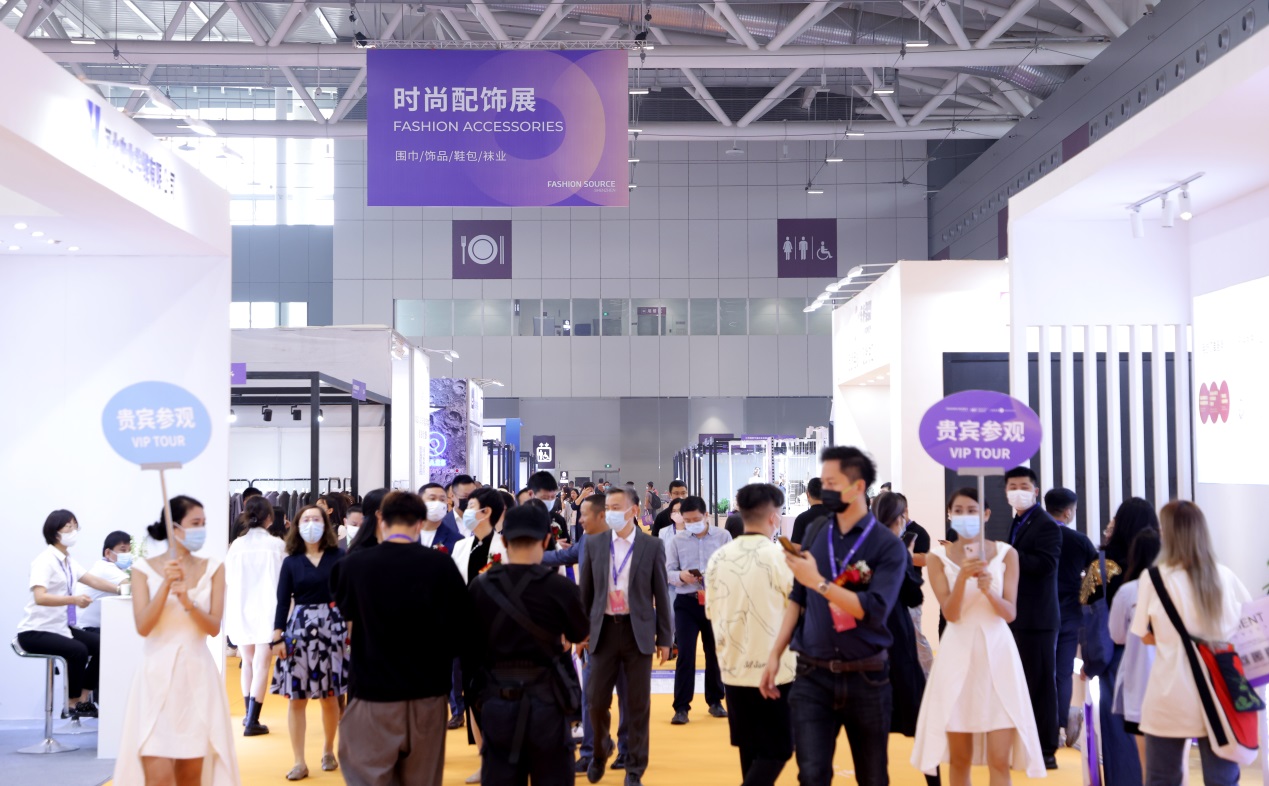
Fashion Source Spring 2023, one of the most significant events in the textile and apparel industry, is set to take place from April 26-28 at the Shenzhen World Exhibition and Convention Center.
Many shows within a show
The event features the 26th Shenzhen International Clothing Supply Chain Expo, AW2023 Shenzhen Original Design Fashion Week, and Première Vision Shenzhen SS24. With an exhibition area of 50,000 square meters and eight themed zones, Fashion Source Spring 2023 will showcase the latest products and technologies from more than 600 exhibitors worldwide.
Host of activites
The event will offer over 80 on-site activities, including the Fashion Source Summit for Clothing Supply Chain, which will focus on international markets, artificial intelligence, fashion trends, supply chains, original design, consumer insights, buyer channels, and e-commerce ecology.
More than 50 experts, including brand decision-makers, entrepreneurs, marketing experts, and designers, will discuss the future of fashion and the challenges and opportunities it presents.
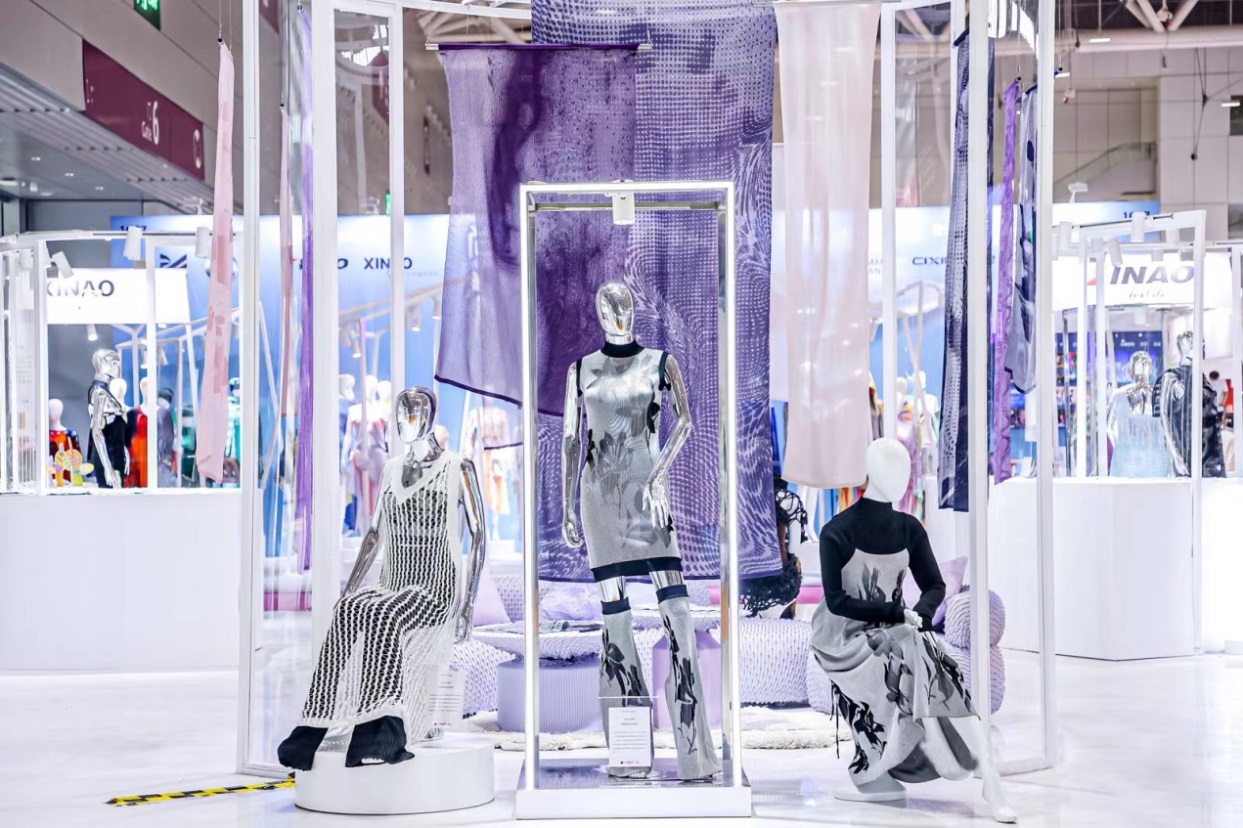
Fashion Source Knitting Trend 24/25SS, with the theme "Knit in Pixels," will feature high-quality enterprises, well-known knitting designers, and professional colleges, creating trend-forward knitting artworks.
The Fashion Source Business Matching, which serves as a bridge between suppliers and key buyers, will provide 365 days of continuous connection service throughout the year, facilitating efficient negotiations. During the three-day exhibition, over 500 selected exhibitors will participate in 300+ exclusive ordering sessions.
Fashion Source, founded in 2001, has become the preferred trading platform for quality suppliers to release new products and for professional buyers to develop new partners, attracting nearly 100,000 visitors from all over the world.
GL events, the organizer of the event, is a critical force for city promotion of 28 MICE destinations, managing 60+ venues and staging 4,200 events.
Overstocking crisis threatens UK clothing, footwear, and accessories manufacturers
The pandemic has disrupted global supply chains, and this has made it difficult for businesses in the UK clothing, footwear, and accessories manufacturing sector to predict demand. As a result, these businesses are now facing a new crisis of overstocking, with an average of £86,000 worth of goods in excess inventory, according to a recent report from inventory management software provider Unleashed.
The Unleashed report highlights the serious cash flow impacts of the overstocking crisis. Last year's supply chain shocks forced firms to stockpile, but now the challenge for many is freeing up cash flow as economic conditions tighten. The good news is that the money is there, when you look closely at the numbers.
However, experts warn that freeing up excess inventory may not be easy. Businesses with quicker stock turnover will benefit from minor changes to their purchasing cycle, such as only ordering a month or two ahead, giving themselves a bit of a breather to get their stock at the right limits rather than overstocking. On the other hand, those on a longer cycle must accept margin hits as it is important to get cash back into the business and free up warehouse space.
Aside from the challenges highlighted in the Unleashed report, excess inventory can also lead to a loss of market share, as businesses may be unable to react quickly to changing trends or customer preferences. It can also result in product obsolescence, as goods become outdated or no longer in demand, and may require markdowns or even disposal.
Lectra implements in-house manufacturing in Tolland facility for improved quality
Lectra, a leading provider of Industry 4.0 solutions for the fashion, furniture, and textile industries, recently celebrated the opening of its new manufacturing facility in Tolland, Connecticut.
The implementation of operations in this facility marks a significant milestone in Lectra's strategic roadmap for 2023-2025 as the company accelerates its efforts to bring manufacturing in-house to improve quality and customer satisfaction.
The Tolland facility will manufacture Lectra's complete line of single ply cutters, including the Z1, Taurus, and DCS series, in-house. This will enable Lectra to meet customer demands more efficiently, reducing lead times by 60 percent. The company's investment in inventory, coupled with a transition towards leaner and more modern production systems, will also result in a higher quality service for customers.
The Tolland facility will enable Lectra to reduce its environmental footprint and contribute to the design of eco-responsible offers, as part of the company's global commitment to sustainability.
Asia Pacific excluding Japan to lead growing textile staples market
A robust growth in the global textile staples market, with a CAGR of 5.0% between 2012 and 2021, and an expected expansion of 5.5% CAGR from 2022 to 2032, reports Future Market Insights.
This growth is being driven by widespread consumption across end-use industries such as apparel, sportswear, and interior flooring. The demand for natural and eco-friendly textiles is anticipated to surge due to the positive impact they have on the environment, particularly cotton, jute, and wool. The use of synthetic fibers, such as recycled polyester staple fibers, is also prevalent among end-users in high-end applications like carpets, pillows, blankets, and cushions.
The Asia Pacific Excluding Japan (APEJ) region is expected to be the leading region during the upcoming decade, while the growth of the global textile staples market is also expected to surge due to the expanding pharmaceutical and healthcare industry and increasing applications in the automotive and construction sectors.
Manufacturers in the market are strategically surging their market presence worldwide by setting up manufacturing units in emerging economies to decrease operating costs and maximize profit. Textile manufacturers who shift from manufacturing generic textile products to niche technical textile products are facing lesser international competition.
Consequently, leading companies in the U.S. are expanding their product lineup in the healthcare-related business to gain a competitive edge.
China's textile industry reasserts Itself on global stage with successful Intertextile Shanghai Apparel Fabrics - Spring Edition 2023
Intertextile Shanghai Apparel Fabrics – Spring Edition 2023, the first major textile event held in China since the country became more accessible, was a resounding success.
The three-day fair welcomed nearly 100,000 trade buyers from 101 countries and regions, while 3,000 exhibitors from 22 countries showcased their products.
Organisers, Messe Frankfurt, stated that exhibitors were delighted with the positive feedback and large visitor flow, confirming the return of a 'back-to-business' mentality. The fair has become a crucial platform for the textile industry to keep up with market trends and embrace the latest apparel technology.
New exhibitor countries and regions included Belgium, Cambodia, Macau China, Pakistan, and Portugal, while 32 exhibitors from Italy and the UK representing the highest number in the Premium Wool Zone, signalled an increasing Chinese demand for luxury wool products.
The fair's comprehensive coverage of the entire industry chain allowed exhibitors and visitors to connect, learn from each other, and source products effectively. The Functional Lab and All About Sustainability zones were a hit with visitors looking for green products and responding to China's younger generation's growing desire for active lifestyles.
The fair's success was a positive sign for the textile industry, with China reasserting itself on the global stage.
EU ESG laws require supply chain visibility, crucial for apparel brands
The implementation of new ESG laws by the European Union means that apparel brands must now disclose detailed information about their supply chains, including the names of their suppliers, working conditions, and environmental impact.
Failure to comply with these laws can lead to significant penalties, making it crucial for brands to ensure that their products are ethically sourced and manufactured. This requires full visibility into their operations, which can also help apparel brands gain a competitive edge.
However, the textile supply chain is complex, with multiple players involved in sourcing, manufacturing, and distribution. This often results in information silos, making it difficult for executives to respond quickly to disruptions. The pandemic has further emphasized the importance of supply chain visibility, as even minor disruptions can have far-reaching consequences. Brands that recognize the significance of visibility at every stage of their supply chain can improve their agility, resilience, and avoid major ESG violations.
Increased supply chain visibility not only helps prevent ESG violations but can also provide significant benefits for apparel brands. For instance, it allows them to make informed decisions about inventory management, product development, and logistics.
To address the challenge of limited visibility, technology solutions such as production tracking software and digital quality management and inspection tools are available. Brands can use these solutions to monitor their global suppliers closely, maintain constant communication, set up safeguards and approvals, and receive timely updates on all activities.
Circular textile initiative fosters Turkey-Netherlands collaboration
The Turkish textile and apparel sectors recently hosted the Dutch Circular Textile Delegation in Bursa for a program aimed at developing circular textile cooperation.
The event was organized by the Consulate General of the Netherlands in Istanbul, the Ministry of Foreign Affairs of the Netherlands, Uludağ Textile Exporters’ Association (UTİB), and Uludağ Apparel and Clothing Exporters’ Association (UHKİB), and featured bilateral meetings and new business contacts between Turkish manufacturers and 17 Dutch companies.
During their visit, the delegation visited several leading centers in the sector for research and development, training, design, and digital transformation, including the Bursa Technology Coordination and R&D Centre (BUTEKOM), Bursa Model Factory, and BTSO Energy Efficiency Centre.
The visit of the Dutch Circular Textile Delegation in Bursa highlights the importance of sustainability and innovation in the textile and apparel industry and promotes circular textile cooperation between Turkey and the Netherlands. The program provides a platform for global players to drive positive change and highlights innovations that are key to the future of the textile and apparel industry.
India's cotton production shortfall to tighten global balance sheet
India's cotton exports are expected to fall sharply in the 2022-23 season, which predicted that exports could match imports for the first time in about two decades, according to the United States Department of Agriculture (USDA).
The USDA's April World Agricultural Supply and Demand Estimates report projected Indian exports to drop by 500,000 bales to 1.8 million, roughly equivalent to its import forecast, due to lower domestic supplies, increased demand for foreign long and extra-long staple grades, and the Australia-India Economic Cooperation and Trade Agreement (ECTA).
The Cotton Association of India (CAI) had already warned in March that Indian stocks could fall to a near two-decade low in the 2022-23 season, as adverse weather conditions curtailed crop yields. The country was going to produce a very small surplus, leading to firm local prices and no parity for exports. The situation is expected to persist until new season crops start from October.
While India is still forecast to be the third largest cotton exporter globally, with a projection of about 1.8 million bales in 2022-23, this figure is well below the 6.2 million exported in 2021-22. India’s lower production might tighten the global balance sheet, creating worldwide opportunities and challenges. If India increases imports and demand rises, ICE cotton prices might rise, although demand has been slow due to economic conditions.
Meanwhile, global benchmark U.S. cotton futures prices are on track for a third straight monthly fall, having declined over 1% so far this year on demand concerns.
The CAI had earlier warned that lower Indian output could allow rivals such as the U.S., Brazil, and Australia to increase cargoes to key Asian buyers such as China and Pakistan, while pushing up local and global prices.
Nike remains most popular athletic footwear brand among both men and women: Study

The hot and happening footwear brands this summer in popularity will continue to be Nike across all athletic categories, while others like The North Face, Patagonia, Columbia and Ugg leade in the outdoor segment, states L.E.K. Consulting’s Footwear and Apparel Brand Heat Index 2023.
This US-based apparel and footwear survey in its second year, is helping brands and retailers identify which brands will gain popularity across different generation of consumers. The survey covers almost 4,000 US consumers between 14 to 55 years, comprising mainly of Generation Z, millennials and Generation X.
Nike and Hoka lead in women’s athletic footwear
Athletic footwear in women’s segment is still dominated by last year’s top-ranked brand Nike doing well among millennials; Hoka too climbed the ranks, surpassing Nike among Gen X consumers. However, Adidas fell to fifth position from second as its rankings dropped among millennial and Gen X. The Top 10 women’s athletic footwear brands in all categories on a total score of 100 are: Nike with a score of 89; Hoka with 88; Brand Jordan 68; Adidas 66; Under Armour 61; New Balance and Nobul tied at 50; Brooks with 44 and; Puma 40. The percentage, however, changes according to three categories of Gen-Z, Millennials and Gen-X with Nike leading in Gen -Z and millennial category and Hoka in Gen-X, followed in second place by Nike.
Men’s athletic footwear has Nike and Brand Jordan on top
Nike and Brand Jordan remain the most happening brands leading overall across all segments followed by Adidas and Under Armour in the men’s athletic footwear segment. Similar to women’s category, younger consumers or Gen Z and millennials among men prefer attributes like style and appearance with Nike and Brand Jordan performing well. The older generation or Gen X prefer Hoka more than other cohorts, largely due to perceived quality and durability. The On running shoe brand, by contrast, appears to be gaining less popularity with men than among women, though it is now in the top 10 for all but Gen Z men. Overall top 10 men’s athletic footwear brands (among all brands out of 100 score, is Nike with100; Brand Jordan: 93; Adidas: 66; Under Armour: 65; Hoka: 60; On: 59; New Balance: 48; Nobull and Puma, tied at 44; and Champion: 40.
Athletic apparels sell well for both men and women
With health and wellness being in focus, athletic apparel is doing well with Nike remaining top brand for both women and men. Lululemon, Gymshark, Under Armour, Champion and Adidas are also in top 10 list.
Just as in 2022, Nike and Lululemon have taken top spots for women’s athletic clothing this year, with Lululemon closing in on Nike in terms of heat score rising to 97 from 77 last year. Along with premier brands Under Armour and Adidas, a range of smaller athleisure brands now feature among top 10 including Gymshark, Alo Yoga, Fabletics, Vuori and Alphalete, all of which saw their heat scores improve since last year.
However, Nike has a stronger position in men’s athletic clothing than it does in men’s athletic footwear and there is a larger gap between Nike and its closest competitor in the No. 2 spot. However, after Nike, the rest of the top five brands are largely the same as last year, with a focus on premium athletic trusted names of Under Armour, Adidas and Champion.
Outdoor footwear dominated by Columbia
The range of performance footwear across the top 10 brands in outdoor category is vast with low consumer enthusiasm beyond leading players, although, from a gender perspective, Columbia is one of the top brands for both women and men while the others vary.
In women’s outdoor footwear, Ugg is the hottest brand across generations due to its appealing style and Columbia and Hunter Boots are the top three spots overall but are more popular among Gen Z and millennials. In men’s outdoor footwear, Timberland and Columbia are top two brands across generations, with Columbia narrowly surpassing Timberland.
The L.E.K. Consulting’s Footwear and Apparel Brand Heat Index 2023 survey has helped many footwear and apparel brands know their standing in casual, outdoor and dressy categories across generations. It helps them plan their branding and marketing strategies better.