


FW
Production Prowess or Homegrown Brands: India's textiles and apparel industry at crossroads
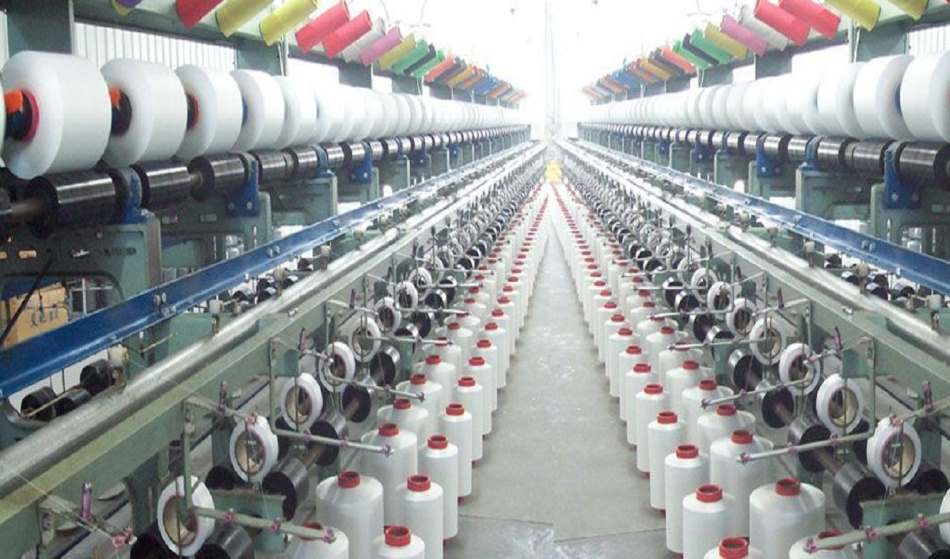
India's $172.3 billion textile and apparel industry (IMARC Group, 2022) is at a crossroads. The choice is between prioritizing garment manufacturing for the global market, a role where it currently holds 4 per cent market share as per Invest India, or focusing on creating domestic brands and capturing the hearts of Indian consumers, a market projected to reach $135 billion by 2025. Both strategies have their strength and weakness, and weaving a path to sustainable prosperity requires navigating this sartorial conundrum with strategic vision.
Production prowess, export enigmas
As the second-largest global producer of cotton, boasting 60 per cent cotton yarn spindles and 34 per cent of woven fabric looms, India has competitive edge in cost and scale. This prowess makes it a go-to supplier for global brands like H&M and Zara. “India's strength lies in its robust infrastructure, skilled workforce, and diverse raw material base,” points out Rahul Mehta, Chief Mentor of CMAI. "We can produce anything, from basic to high-end garments, at competitive prices."
However, over-reliance on exports is a double-edged sword. Fluctuations in global demand, as seen during the pandemic-induced 27 per cent slump, can wreak havoc. Additionally, the "production for others" model restricts brand recognition and higher margins.
Moving ahead with FTSs
Free Trade Agreements or FTAs aim to ease trade barriers between countries, often involving tariff reductions and simplified customs procedures. For India's export-heavy textile industry, FTAs are a powerful tool. For example, the recent Comprehensive Economic Partnership Agreement (CEPA) with the UAE eliminates tariffs on 96.4 per cent of Indian exports, boosting garment shipments by 30 per cent. "FTAs can open up new markets and reduce competition," says economist Aparna Sharma. "They can also give Indian exporters a level playing field by lowering tariffs compared to competitors." But FTAs are not a panacea. Complex negotiations, non-tariff barriers, and domestic sensitivities can limit their effectiveness. Critics also point to the potential loss of government revenue from reduced tariffs.
Growing domestic market an attraction
India's burgeoning domestic market, fueled by a rising middle class with a disposable income of $2,329 per annum as per Statista, presents a good alternative. The demand for high-quality, locally-inspired apparel is growing, creating a fertile ground for homegrown brands. "The Indian consumer is becoming increasingly brand-conscious and discerning," says Minakshi Agarwal, founder of a successful homegrown fashion brand. "There's a huge opportunity for domestic brands to cater to this evolving taste and capture a larger share of the pie." Indeed, success stories like Aditya Birla Fashion & Retail and Fabindia illustrate the viability of this approach. These companies have tapped into India's rich cultural heritage, offering contemporary yet rooted designs that resonate with domestic consumers.
However, the way forward is fraught with numerous challenges and opportunities. Counterfeiting, infrastructure bottlenecks, and a complex tax regime remain major bug bears. However, opportunities abound. Rising consciousness about ethical and sustainable fashion presents a new frontier for Indian brands.
Need to balance exports with domestic market
The answer lies not in a binary choice, but in a balanced approach. India must continue to leverage its production prowess while nurturing domestic brands. This can be achieved through various means. One way to go forward is by investing in R&D to create innovative and differentiated products for both the global market and domestic consumers. Skill development to enhance the workforce's ability to cater to the demands of both export and domestic markets is another important step to move ahead.
Then there are the government initiatives like incentives for domestic brands, creating an enabling environment for entrepreneurship, and negotiating FTAs that unlock new markets and minimize negative impacts.
India's textile and apparel industry stands at a crucial juncture. By embracing a balanced approach, maximizing production prowess while nurturing domestic brands, and strategically utilizing FTAs, it can move forward with sustainable growth. The onus lies not just on industry players but also on the government to create a supportive ecosystem that fuels both production and brand creation. Whether India becomes a garment factory for the world or a fashionista's paradise rests on its ability to navigate this critical juncture with strategic vision and nimble execution.
ITMF survey: Positive outlook emerges for global textile industry
In January 2024, the latest ITMF Global Textile Industry Survey (GTIS) revealed a notable upturn in business sentiments, signaling a potential shift towards positive dynamics. Despite prior concerns, indicators for business situation and order intake displayed improvements, hinting at a promising trajectory for the industry.
Driven by favorable inflation rates, augmented real wages, and buoyant consumer sentiment in the USA, alongside anticipations of interest rate reductions, the business climate witnessed a significant uplift. Expectations for July 2024 surged to levels unseen since late 2021, fueled by enhanced order intakes and a brighter consumer demand outlook, despite persistent cost apprehensions.
While order intake displayed signs of recovery, experiencing marked upticks across various regions except East Asia, particularly in North & Central America and South America, concerns over weakening global demand within the textile value chain diminished. This shift in sentiment was underscored by a decrease in respondents citing weakening demand as a primary concern, reaching its lowest level since May 2023.
Moreover, despite the challenges posed by weakening demand, the industry witnessed a shift in response, with reduced rather than canceled orders—a departure from earlier pandemic trends. Additionally, inventory levels, deemed average by 57 per cent of participants, varied across regions, with South Americans reporting higher levels and garment producers noting the lowest, offering a nuanced perspective on prevailing market conditions.
Overall, the survey reflects a cautiously optimistic outlook for the textile industry, with signs of resilience and adaptability amidst evolving market dynamics.
Columbia Sportswear net sales to fall by 4 per cent
Columbia Sportswear’s net sales are expected to decrease by 4 to 2 per cent, ranging from $3.35 to $3.42 billion in 2024. The company’s net income is expected to be $207 to $231 million, resulting in diluted earnings per share of $3.45 to $3.85.
The fourth quarter net sales of the Oregon-based company decreased by 9 per cent to $1.06 billion from $1.17 billion for the comparable period in 2022. Sales of the brand, Columbia dropped by 7 per cent to $891 million while those of the brand Sorel dipped by 18 per cent to $116 million. Sales of smaller brands Prana and Mountain Hardwear fell by 29 per cent and 11 per cent, respectively.
Net income of the brand decreased by 26 per cent to $93.3 million, or $1.55 per diluted share in the quarter. The inventory reduction plan executed under the leadership of the guidance of Tim Boyle, Chairman, President and CEO, enabled the brand to generate operating cash flow. th of which impacted our fourth quarter performance.”
Amidst global economic and geopolitical uncertaintly, retailers continue to work diligently to maximise sales, and optimise product, brand marketing and marketplace strategies to accelerate growth in 2025 and beyond, adds Boyle.
US brand Carhatt launches new Spring 2024 women’s collection
US workwear brand Carhartt has launched a new women's collection for Spring 2024. Catering to the growing number of women in the trade, the collection offers comfortable and durable pieces designed specifically for their needs.
The collection was created based on direct feedback from real women, says Susan Hennike, Chief Brand Officer. It features sweatshirts and T-shirts made with innovative Tencel™ fibers, available in both French Terry and Jersey fabrics. This unique blend offers superior comfort and breathability.
The Spring collection embraces a spectrum of colors beyond the traditional pink stereotype. The peach, coral, and lilac hues add a touch of style to the collection without sacrificing functionality. Prices of this collection range from $25 for a T-shirt to $60 for a crewneck sweatshirt, making them accessible to a wide range of working women.
Further, Carhartt plans to expand its women's offerings throughout the year, introducing joggers, work pants, and other lightweight garments designed for both comfort and performance.
Despite rise in production, Pakistan cotton still faces huge demand-supply gap
Pakistan still faces a huge gap between domestic production and supply of cotton despite production rising significantly during the 2023-24 season.
Cotton arrivals at ginning factories increased by 1.1 per cent to 8.35 million bales compared to the same period last year. Both Punjab and Sindh contributed equally to the national output, with arrivals from Punjab increasing by 46.5 per cent Y-o-Y while those from Sindh rising by 119.8 per cent Y-o-Y.
Arrivals from Multan, Bahawalnagar, Sanghar, and Rahim Yar Khan topped during the period.
Pakistan’s cotton imports are expected to fall to 4.2 million bales during the 2023-24 season. On the other hand, exports of raw cotton and yarn grew with China being a major yarn buyer. Good local crop led to a rise in the government-support price at 8,700 per 40 kg during the period.
To bridge the gap between its demand and supply, Pakistan needs to either increase cotton production or reduce its textile industry's dependence on imports. It needs to introduce key measures to ensure fair prices to farmers and stablise cotton prices in the market. Pakistan also needs to continue focusing on value-added textile products and exploring new markets.
Textile machinery sales in Bangladesh to rebound in 2024
After a challenging 2023 due to global economic slowdown, textile machinery sales in Bangladesh are expected to rebound in 2024. This optimism stems from rising work orders from international clothing retailers and brands, indicating a recovery in the global clothing supply chain.
Due to reduced consumer demand and global conflicts, apparel sales in Bangladesh slowed in 2023. However, garment makers in the country are witnessing an increase their work orders this year, leading to a need for machinery upgrades.
The sales of textile machineries in the country are expected to rise this year with manufacturers seeking sustainable machines with lower water and energy consumption.
Abu Taleb Bhuiyan, CEO, Best Tex International, says, we expect machinery sales to rise to €20 million in 2024. Md Tanzilur Rahman, Senior Assistant Manager, Pacific Associates, adds, the company aims to sell $74 million worth of machinery this year.
Overall, the textile machinery industry in Bangladesh is cautiously optimistic about 2024, with increased demand and a focus on sustainability. However, challenges remain, and government support is needed for sustained growth.
The Bangladesh Textile Mills Association (BTMA) has urged the government to address gas price issues and loan defaults in the industry
Asia Pacific Rayon strengthens commitment to Bangladesh textile industry
Leading viscose staple fiber (VSF) producer, Asia Pacific Rayon (APR), reinforced its presence in Bangladesh at the 18th Dhaka International Textile and Garment Machinery Exhibition (DTG). This marks APR's second consecutive year at the event, highlighting its dedication to the country's booming textile industry and the growing demand for sustainable fashion solutions.
Bangladesh represents APR's second-largest market outside Indonesia, with a 55 per cent share in the country's VSF market. Aligning with Bangladesh’s vision for eco-friendly practices, APR actively promotes Lyocell as a sustainable alternative to traditional fibers. The company partners with other leading textile companies in Bangladesh to support their growth and encourage the adoption of sustainable fibers.
Reporting positive yarn sales in Bangladesh, APR aims to further expand its reach. The company’s high-quality VSF and yarn cater to various markets across Asia, including Bangladesh, Turkey, India, and Vietnam.
Tapan Sannigrahi, Vice President, Marketing and Downstream Development, Asia Pacific Rayon, says, the company sees immense potential in Bangladesh’s sustainable textile industry and remains committed to support its development.
Uzbekistan Cotton sector continues to grapple with forced labor issues: Report
Despite significant reforms, Uzbekistan’s cotton sector continues to struggle from forced labor risks, says a new report on the 2023 harvest. Though the country seems to have eliminated widespread, state-sponsored forced labor in the sector, pressure from officials and lack of worker protections are creating vulnerabilities, adds the report.
During the harvest season this, coercion in the sector increased though there was no systematic, government-imposed forced labor. Officials were pressured to meet targets, leading to mobilisation of employees in some areas, the report adds.
The sector also continues to struggle from systemic issues like state control, lack of farmer choice, weak protections for workers. The progress achieved by the sector remains fragile and faces backsliding risk without introducing deeper reforms, says the report. It urges brands sourcing cotton from Uzbekistan to be vigilant and demand transparency.
The report also urges the Uzbekistan Government to strengthen worker protections and freedom of association. It calls for farmers’ rights to choose buyers and negotiate prices. It also recommends independent monitoring of the sector to improve transparency.
Tamil Nadu to adopt local procurement policy for technical textiles
The Tamil Nadu Government plans to adopt a local procurement policy to capture a larger share of the growing technical textiles market. The policy will focus on sourcing technical textiles from local manufacturers, says Dharmendra Pratap Yadav, Secretary, Department of Handlooms, Handicrafts, Textiles and Khadi.
One of the primary aims of the policy is to encourage both the development of new technical textile products and the replacement of existing ones used by government departments. This is expected to not only benefit local businesses but also contribute to the state's goal of becoming a $1 trillion economy.
To promote research and development in technical textiles and fuel innovation in the sector, the Department of Textiles and Handlooms is exploring collaborations between industry and academia, as well as independent projects by educational institutions.
M Vallalar, Textiles Commissioner, has urged textile companies in Coimbatore and Tiruppur to tap into this potential. Highlighting the vast potential that exists in the sector, Arindam Basu, Director General, Northern India Textile Research Association, says, the sector is growing at a rate of 10 per cent CAGR compared to 4 per cent CAGR for conventional textiles.
Prakash Vasudevan, Director, South India Textile Research Association, believes, Tamil Nadu's strategic initiatives will soon propel it to the forefront of technical textile production.
Adidas posts resilient performance amidst currency challenges in 2023
Adidas has released its preliminary results for 2023, showcasing a resilient performance despite facing headwinds from currency devaluations and strategic shifts. The sportswear giant reported flat currency-neutral revenues compared to the previous year, defying expectations of a decline. However, in reported terms, sales experienced a 5% decline to €21,427 million, attributed in part to unfavorable currency movements amounting to over €1,000 million.
The sales trajectory in 2023 was influenced by strategic decisions, including a reduction in wholesale channel inventory levels and the discontinuation of the Yeezy business, resulting in a negative impact of approximately €500 million on revenue. Notably, excluding Yeezy revenues, currency-neutral revenues saw a modest 2% increase.
Despite challenges, Adidas managed to improve its gross margin slightly to 47.5%, although negative currency effects persisted throughout the year. Operating profit for 2023 stood at €268 million, surpassing expectations of a €100 million loss, driven by operational efficiency gains in Q4 and a decision not to write off a significant portion of Yeezy inventory.
Looking ahead to 2024, Adidas anticipates mid-single-digit growth in currency-neutral sales, contingent upon selling the remaining Yeezy inventory at cost, expected to yield approximately €250 million in revenue. Excluding Yeezy, the company forecasts high-single-digit growth in its underlying business.
Adidas CEO, Bjørn Gulden, expressed optimism regarding the company's trajectory, citing improved consumer engagement, product offerings, and operational agility. Despite acknowledging current financial challenges, Gulden emphasized Adidas' commitment to re-establishing itself as a market leader, highlighting strategic investments in marketing, sales, and product innovation.
For 2024, Adidas aims to steadily improve sales throughout the year, projecting high-single-digit growth in its underlying business and a 10% increase in the second half. Despite uncertainties, including currency fluctuations and market dynamics, the company targets an operating profit of approximately €500 million, marking another step towards achieving double-digit growth and a 10% operating margin.











