


FW
Welspun Living appoints Sunil Duggal as Independent Director
A major player in home textiles, flooring and advanced textiles, Welspun Living has appointed Sunil Duggal as an independent director, effective January 31, 2024.
A highly accomplished leader, Duggal boasts a distinguished career spanning decades, most notably his 17-year tenure as CEO of Dabur India, making him the company's longest-serving CEO.
A graduate of BITS Pilani and IIM Calcutta, Duggal is an expert in consumer-centric leadership and brand building. He has held several leadership positions at Dabur, and has also chaired prominent committees like the Indo-Turkish JBC and the FICCI Committee on Food Processing. His achievements include being recognised as ‘FMCG CEO of the Year’ thrice and receiving the ‘Distinguished Alumnus Award’ from IIM Calcutta.
Dipali Goenka, Managing Director and CEO, Welspun Living says, Duggal’s consumer-centric approach and experience in building strong brand connections perfectly resonate with Welspun's goals. His appointment signifies a significant step for Welspun Living, bringing onboard a leader with a proven track record and valuable insights to fuel the company's future endeavors.
Textile PLI: Can revamped scheme stitch success and boost growth?

The Production Linked Incentive (PLI) scheme, a government initiative to boost domestic manufacturing, has got mixed results in the Indian textile and apparel industry. While ambitious in its goals, the scheme's adoption by industry players has been sluggish, raising questions about its effectiveness in this crucial sector.
PLI in textiles: A promising start, stuttering steps
Launched in September 2021, the PLI scheme for textiles offered incentives worth Rs 10,683 crore over five years for investments in man-made fiber (MMF) apparel, fabrics, and technical textiles. The aim was to attract investments of Rs 19,000 crore and increase production by Rs 3 lakh crore. Initial response seemed positive, with major players like Reliance Industries and Welspun expressing interest.
However, implementation hurdles and industry concerns have dampened enthusiasm. As of January 2024, only a handful of companies have applied for the scheme, and disbursement of incentives has been slow. As an expert explains, PLI application process is like a labyrinth, especially for smaller players. Simplifying it and offering handholding support are crucial.
And Anita Dongre, Fashion Designer points out the initial PLI scheme focused heavily on MMF, neglecting segments like cotton and home textiles, which are the backbone of our industry. PLI-2 seems like a step in the right direction.
Reasons for the slowdown
Several factors have contributed to the PLI's slow adoption in textiles.
Complex application process: As a stakeholder points out, the application process is like climbing Mount Everest. The documentation is extensive, and approvals take forever. Smaller players like don't have the resources to navigate this bureaucracy.
Stringent eligibility criteria: The minimum investment thresholds are too high for many players. Recovering from the after effects of a pandemic, and they can't risk such large investments without a clear guarantee of returns.
Unclear incentive calculation and disbursement: Moreover there's a lot of ambiguity about how the incentives are calculated and disbursed, points out a textile industry consultant. This lack of transparency creates uncertainty and delays investment decisions.
Existing infrastructural bottlenecks: Issues like power shortages, unreliable logistics, and high import duties on raw materials are major concerns among textile industry players. These add our production costs and erode the appeal of PLI benefits.
Limited scope of PLI-1: The initial PLI scheme (PLI-1) focused on specific segments like MMF and technical textiles, leaving out major segments like cotton and home textiles, which form a larger part of the industry.
PLI in Textiles (as of Jan 2024)
| Parameter | Data | Source |
| Total Incentive Outlay | ₹10,683 crore | PIB |
| Expected Investment | ₹19,000 crore | PIB |
| Expected Production Increase | ₹3 lakh crore | PIB |
| Applications Received | Handful | Industry sources |
| Incentive Disbursed | Minimal | Industry sources |
| Parameter | Target (PLI-1) | Achievement (as of Dec 2023) | Gap |
| Investment | Rs. 19,000 crore | Rs. 3,800 crore | 80% |
| New Jobs | 7.5 lakh | 1.5 lakh | 80% |
| Factor | Impact on PLI Adoption |
| Limited Uptake | Slow progress in achieving scheme targets |
| Meager Payout | Raises questions about scheme's effectiveness |
| Complex Eligibility | Creates entry barriers for SMEs |
| Uncertain Incentive Structure | Discourages potential investors |
| Lack of Infrastructure Support | Hinders production scalability |
| Global Competition | Makes price and quality competitiveness challenging |
Some gained while others lost
Despite its drawbacks some companies, rather big players, managed to make the most of the PLI scheme. Reliance Industries for example, received PLI approval for Rs 5,000 crore investment in polyester filament yarn and fabric manufacturing, showcasing the potential for large players. "The PLI scheme provided the push we needed to expand our domestic manufacturing footprint," says a company spokesperson.
Similarly, Welspun applied for PLI benefits for technical textiles, highlighting the interest in niche segments. "The scheme has the potential to boost India's technical textile industry, which has strategic importance," says the company CEO.
However, smaller players remain hesitant due to the perceived complexity and limited applicability of the scheme. "We're hopeful that PLI-2 will address our concerns," says a representative of a textile industry association representing small and medium enterprises.
PLI-2: Hope for brighter prospects
The launch of PLI-2 in December 2023 aims to address industry concerns by broadening the scope and including cotton textiles, home textiles, and select apparel segments. PLI1 scheme excluded cotton textiles, a major concern for this segment, which accounts for over two-thirds of the industry's production. However, PLI-2 has corrected this. Similarly, home textiles segment, known for its export potential, was initially left out. PLI-2's inclusion offers an opportunity for growth. The complex application process and high minimum investment thresholds pose challenges for smaller players, who are the lifeblood of the industry. PLI-2's relaxed criteria offer some hope.Reducing paperwork and streamlining approvals will work for its benefit. Offering special incentives for smaller players with lower investment thresholds and higher incentive rates in PLI-2 will help in greater adoption.
However, experts are cautiously optimistic about PLI-2's impact. As an expert points out "PLI-2 addresses some key concerns, but the success hinges on its implementation. Timely incentive disbursement and addressing infrastructural bottlenecks are crucial." On similar lines Radhika Chopra, Economist says, the broader scope of PLI-2 has the potential to attract wider participation, but its effectiveness depends on attracting large investments, especially in areas like cotton textiles.
They also suggest for better implementation certain steps need to be take like: streamlining the application process and eligibility criteria; ensuring timely and transparent incentive disbursement; addressing infrastructural bottlenecks and reducing import duties on raw materials; handholding support to smaller players.
Learning from others
India's PLI scheme draws inspiration from similar initiatives in other countries. For example, China's Made in China 2025 plan has been successful in boosting its textile industry, but concerns about labor practices and environmental impact exist. And Vietnam's textile industry has grown rapidly due to free trade agreements and a supportive government, but infrastructure challenges remain. India too can learn from these examples by focusing on ethical and sustainable practices; investing in infrastructure development; creating a skilled workforce.
The textile and apparel industry is crucial to India's economy, employing millions and contributing significantly to exports. A well-designed and implemented PLI scheme has the potential to boost the sector's competitiveness and create jobs. Addressing industry concerns, ensuring a smooth implementation process, and learning from global examples are crucial steps to ensure the PLI scheme's success. Only then can it truly weave a story of growth and transformation for India's textile industry.
SP Apparels diversifies portfolio with acquisition of young brand apparel
SP Apparels (SPAL), a prominent player in the apparel manufacturing and export industry, has sealed a significant deal to acquire 100 per cent ownership of Young Brand Apparel Private (YBAPL), a subsidiary of Bannari Amman Spinning Mills. Valued at Rs 223 crore, this strategic move underscores SPAL's ambition to broaden its product offerings and expand its market reach.
The acquisition involves SPAL acquiring a 51.3 per cent stake in YBAPL from Bannari Amman and committing to obtaining the remaining 49 per cent stake from joint venture partners. To finance this transaction, SPAL intends to utilize a combination of internal funds and external borrowing.
This deal not only allows SPAL to diversify its product range but also enhances its manufacturing capabilities with the inclusion of YBAPL's garment unit in Palladam and the additional land and building assets located at SIPCOT. These assets are poised to bolster SPAL's manufacturing capacity, laying a solid foundation for future growth and expansion initiatives.
Established in December 2006, YBAPL specializes in the production and export of Intimate Wear, catering to renowned brands such as American Eagle, Jockey International, Marks & Spencer, and Benetton. Its presence extends across key global markets including the US, UK, Japan, and Canada.
P Sundararajan, Chairman and Managing Director of SPAL, emphasized the strategic significance of the acquisition, noting its alignment with SPAL's vision to venture into diverse textile and apparel segments. He highlighted the potential synergies in terms of customer base and product offerings, particularly in penetrating the lucrative US market.
YBAPL's robust financial performance, with reported revenue of Rs 329 crore for the fiscal year ending March 31, 2023, further underscores the attractiveness of this acquisition for SPAL. This move not only strengthens SPAL's export portfolio but also sets the stage for sustainable and resilient business growth in the competitive global marketplace.
Garware Technical Fibres reports 25% rise in PAT during 9MFY2024
Technical textiles leader Garware Technical Fibres reported a 25 per cent increase in pre-tax profits (PAT) to Rs 180.2 crore for the first nine months of FY2024.
On a Q-o-Q basis, Garware Technical Fibers’ net sales during the quarter increased by 5 per cent to Rs 289.4 crore, profit before tax rose by18 per cent, and net profit jumped by 18 per cent compared to Q3 FY2023.
The company remained challenged by international logistics disruptions during the quarter. It reported strong growth in the Geosynthetics business and maintained margins across all segments.
Vayu Garware, Chairman and Managing Director expressed optimism for Q4 due to a robust global aquaculture order pipeline. However, he cautioned the company about potential material delivery challenges in Europe and South America.
Overall, Garware Technical Fibres’ strong order book and focus on margin improvement paint a positive picture for the future.
Danish designers set to dazzle at Scoop, Olympia West
Scoop, the renowned fashion showcase, is poised to reveal an array of captivating Danish designers in its upcoming event, themed 'A Return to Wonderment' at Olympia West, Kensington, from February 11-13, 2024. Partnering with SMVdanmark, Scoop will introduce 21 cutting-edge Danish fashion collections to its dynamic platform.
Karen Radley, Founder and Managing Director, expresses enthusiasm for the influx of Danish talent, citing its high-quality and minimalist allure, perfectly suited to the British market.
Among the highlights, Bitte Kai Rand will present a luxury collection distinguished by its knitting expertise and innovative designs. Esme Studios will showcase slow fashion emphasizing minimalism and functionality, while American dreams offers vibrant mohair knitwear. Charlotte Sparre brings nostalgia with her elegant 50s-inspired collection, featuring luxurious fabrics.
Noteworthy additions include Heyanno's fusion of men's fashion and grunge aesthetics, Selfhood's blend of sophistication and edginess, and Summery Copenhagen's celebration of vivid colors and craftsmanship.
Accessories seekers will be delighted with offerings from Bon Dep and anonymous fashion footwear & accessories, reflecting contemporary and minimalist styles.
Copenhagen-based brands like A Kjaerbede, Picto, and Maanesteen will also showcase their signature Scandinavian designs, alongside a lineup featuring Dawn x Dare's handcrafted styles, Moves' colorful prints, and dedicated's eco-friendly wardrobe.
Scoop promises an edited lineup of around 200 designers, spanning women's fashion, luxury home, beauty, lifestyle, and men's collections, solidifying its status as a must-visit on the international trade show circuit.
Archroma and Browzwear expand partnership to revolutionize fashion design
Archroma, a leader in sustainable specialty chemicals, and Browzwear, a pioneer of 3D digital solutions for fashion, have amplified their collaboration. The integration of Archroma’s complete Color Atlas library into Browzwear’s platforms promises a game-changing shift in fashion design.
Designers will now wield a robust palette of 5,760 colors, including 1,440 polyester hues, alongside the existing 4,320 cotton poplin colors. This expansion aims to foster seamless collaboration across the supply chain, ensuring color fidelity from digital conception to production across various fabric types.
Notably, the Color Atlas colors adhere to stringent eco-standards, empowering designers to select dyes and finishes aligned with sustainability objectives. Each color standard is accompanied by precise dyeing recipes and compliance data, supplemented by Archroma’s global technical support.
Lars Villumsen of Browzwear highlights the empowerment of their community through access to the industry's largest color library, facilitating transparent, sustainable, and collaborative workflows.
Chris Hipps of Archroma emphasizes the fusion of Browzwear's digital tools with the expansive Color Atlas, enabling designers to realize their visions while upholding sustainability principles amidst the fashion industry's digital transformation.
SAC and SLCP forge independent partnership for global apparel industry
In a landmark move, the Sustainable Apparel Coalition (SAC) and the Social & Labor Convergence Program (SLCP) have solidified their strategic partnership, heralding a new era in the quest for improved working conditions in the apparel sector. SLCP, having recently transitioned into an independent non-profit foundation, celebrates its separation from SAC, signifying a maturation of its mission since its inception by SAC in 2015.
The collaborative efforts have yielded significant achievements over eight years, with SLCP boasting more than 11,000 facilities across 60 countries having undergone SLCP-verified assessments. Notably, the adoption of SLCP's Converged Assessment Framework (CAF) has unlocked an estimated $23 million annually through reduced duplicative audits, garnering support from over 70 prominent brands and organizations.
With SLCP's formal separation on February 1, 2024, both entities reiterate their commitment to a tightly integrated collaboration, aligning their tools and strategies for enhanced global working conditions. SAC remains steadfast in its support of CAF as the preferred social compliance assessment framework, ensuring its integration into the Higg Facility Social & Labor Module (FSLM) tool.
Andrew Martin, SAC's executive vice president, emphasizes the shared values propelling the partnership towards catalyzing collective action at scale. Janet Mensink, CEO of SLCP, echoes this sentiment, highlighting the collaborative power of industry-wide cooperation in advancing social responsibility.
Looking ahead, SAC and SLCP are poised to extend their impact beyond the apparel industry, aiming to expand the reach of CAF into adjacent sectors. This holistic approach underscores a commitment to harmonized assessment frameworks and increased adoption, fostering a culture of responsibility and accountability within the industry.
The strategic collaboration between SAC and SLCP sets a precedent for industry convergence and collective action, underscoring a shared vision for a sustainable future in global supply chains.
Coloreel & Tajima's Pulse ID: Embroidery revolution
Tajima Software Solutions and Coloreel are set to unveil Pulse ID, an innovative software poised to redefine the landscape of embroidery customization. This innovative tool promises a quantum leap in personalized design options for both brick-and-mortar and online retail platforms.
Pulse ID empowers users with unparalleled flexibility, allowing seamless customization of embroidery designs. From tweaking text to adding vibrant effects and colors, the possibilities are limitless. The integration of Coloreel's cutting-edge technology with Tajima's embroidery machines ensures a smooth and efficient workflow, revolutionizing in-store embroidery services and online shopping experiences.
Attendees at Salon C!Print in Lyon, from February 6-8, will have an exclusive opportunity to witness this game-changing solution in action. Visitors to Tajima Europe's booth (2P20) can partake in live demonstrations, personalizing caps with flags and names of their choosing.
Mattias Nordin, SVP Product Management at Coloreel, emphasizes the software's transformative potential: "This collaboration signals a paradigm shift in automated personalization, not only for our industry but for the entire embroidery sector. Pulse ID represents a monumental advancement, poised to reshape how we approach personalized embroidery across physical and digital retail landscapes."
Unveiling the ‘Unlock’: Fashion Pact's cotton sustainability report draws mixed reactions
The Fashion Pact, a heavyweight alliance of fashion giants united under the banner of sustainability, has released its ‘Unlock’ report, a roadmap for a climate-friendly future for cotton. But instead of a resounding chorus of applause, the report has been met with a mixed bag of reactions, with some industry players applauding the ambition while raising concerns about methodology and impact.
The Report
Their mission: incentivize farmers to adopt regenerative practices that heal the soil, boost biodiversity, and slash carbon emissions. This not only benefits the environment but also allows brands to make credible claims about reducing their Scope 3 emissions (those occurring outside their direct control).
However, the pilot phase in India and the US revealed some challenges. Smallholder farmers, the backbone of cotton production, often lack the resources and expertise to precisely quantify their emissions. This creates hurdles in verifying their impact and ensuring fair compensation. Additionally, double-counting emissions becomes a risk if farmers already participate in other improvement programs. Finally, robust inventory accounting in developing countries presents difficulties due to limitations in monitoring and traceability.
Despite these hurdles, ‘Unlock’ represents a crucial step towards a greener future for cotton. By addressing these challenges through collaboration and innovative solutions, the project has the potential to:
Empower farmers: Provide smallholders with the tools and support they need to measure their impact and access fair rewards for adopting sustainable practices.
Boost transparency: Develop robust accounting methods that ensure credible emission reduction claims by brands.
Bridge the gap: Facilitate connections between farmers and brands, creating a direct line of impact and shared value.
Unlock proposes a three-pronged attack: scaling up regenerative agriculture practices that nurture soil health and biodiversity, investing in circularity solutions like recycled cotton and innovative bio-materials, and finally, boosting transparency and traceability across the cotton supply chain. While the ambition is undeniable, questions linger.
Criticism on the methodology
However, critics point to the report's methodology, arguing that the calculations for potential emissions reductions lack transparency and independent verification. They worry that the focus on large-scale interventions might overlook the potential of smaller, community-driven initiatives that are often nimbler and more attuned to local contexts.
But the concerns don't stop there. Some industry players raise the specter of unintended consequences, questioning whether the project's impact will be equitably distributed across the cotton supply chain. Will farmers, particularly those in developing nations, truly benefit from this grand plan, or will the lion's share of the gains accrue to larger players?
The Fashion Pact, however, remains undeterred. They emphasize the importance of starting the conversation, highlighting that Unlock is just the first step in a long journey. They acknowledge the need for further refinement and transparency, welcoming feedback and promising to work with stakeholders to address concerns.
But the road ahead won't be easy. Striking a balance between ambition and practicality, ensuring transparency and inclusivity, and navigating the complex web of economic and social factors within the cotton industry – these are just some of the hurdles that the Fashion Pact must overcome to truly unlock a sustainable future for cotton.
Indeed ‘Unlock’ report may not be a silver bullet, but it has certainly sparked a necessary conversation. As the fashion industry grapples with its environmental footprint, the success of ‘Unlock’ could pave the way for a more sustainable future – but only if it listens to the concerns, addresses the gaps, and collaborates with all stakeholders along the way. The journey has just begun, and the world is watching.
UK’s Premier Spring Fair 2024: Unveiling retail trends and innovations
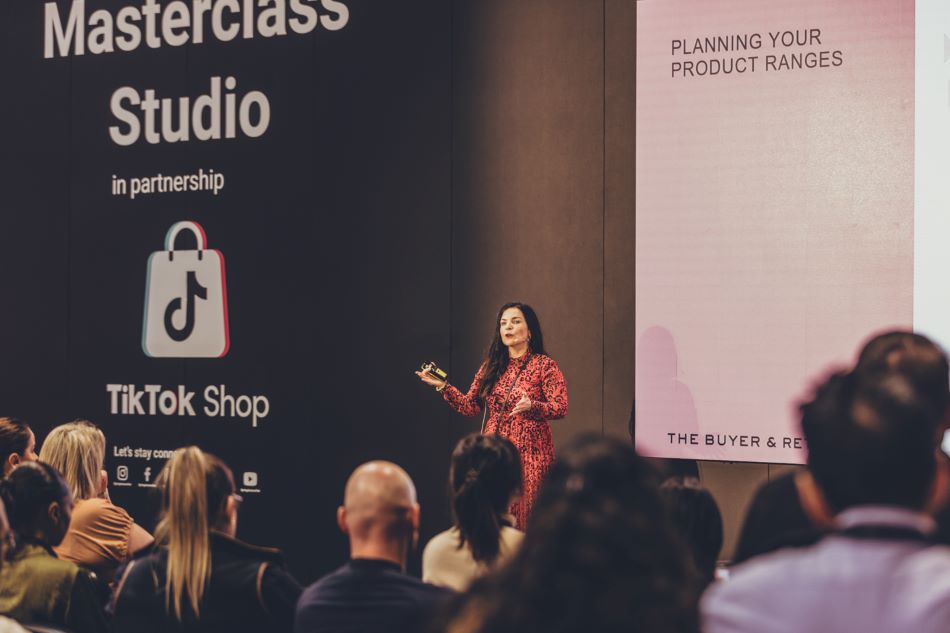
The UK's largest and longest-serving retail show, Spring Fair, kicked off to much anticipation as thousands of retailers descended upon the event to explore new opportunities and rejuvenate their retail strategies. Among the attendees were an impressive array of retail giants and independent businesses, showcasing the vibrant diversity of the industry.
The opening day saw a multitude of retail businesses in attendance, ranging from household names like Warner Bros, Aldi UK, and Target Global to niche players such as Toy Barnhaus and Denby Retail. Notably, the presence of renowned brands like Disney, Marvel, and Barbie added to the allure of the event, offering attendees a glimpse into the latest trends and innovations shaping the retail landscape.
Expansion and Global Reach
This year's edition of Spring Fair boasted over 1000 quality brands, marking a significant increase from previous years. With 120 more exhibitors than the previous edition, including over 200 exclusive participants and 450 debutants, the event underscored its growing global influence. Moreover, the surge in international brands further highlighted Spring Fair's expanding footprint on the global stage.
Exhibitors expressed optimism and enthusiasm on the opening day, citing a steady stream of visitors and positive feedback on their offerings. Jonny Greves, Director of Lessey and Pavey, noted the vibrant atmosphere at the event and highlighted the positive reception received for their new product launches.
Inspiration and Insights
Spring Fair not only served as a platform for networking and business opportunities but also as a hub for knowledge and inspiration. Attendees were treated to a diverse lineup of speakers, seminars, and masterclasses, covering a wide range of topics relevant to the retail industry.
One of the highlights of the event was the Masterclass Studio, featuring sessions on emerging trends and technologies shaping the future of retail. From discussions on social commerce led by industry leaders from TikTok Shop to insights into the transformative potential of AI in retail operations, attendees gained valuable insights into staying ahead in an ever-evolving landscape.
Spring Fair also played host to the prestigious Gift Of The Year Awards, in collaboration with the Giftware Association. Industry leaders convened to judge the finalists across various categories, underscoring the event's role in recognizing and celebrating innovation within the retail sector.
Looking Ahead
As Spring Fair unfolds, attendees can expect a continuation of trend-setting showcases, insightful discussions, and networking opportunities. With a keynote talk on the retail landscape by Kris Hammer of the British Retail Consortium and a Licensing Masterclass led by Catrina O'Brien of Hasbro Inc. on the agenda for the upcoming days, the event promises to remain a focal point for industry professionals seeking to navigate the ever-changing retail landscape.
With its vibrant mix of brands, insightful sessions, and networking opportunities, Spring Fair continues to solidify its position as a premier event in the retail calendar. As the industry evolves, events like Spring Fair serve as invaluable platforms for retailers to stay informed, inspired, and connected in an ever-changing market landscape.











