


FW
China-Pakistan FTA spurs textile trade, reshaping Asian dynamics

The China-Pakistan Free Trade Agreement (FTA), implemented in 2020, has become a game-changer for both nations, particularly in the textile, apparel, and fashion industries. Bilateral trade has soared, with data highlighting significant growth in both imports and exports especially in textiles and apparel segment. This trend is poised to reshape Asian trade dynamics and holds promising prospects for the future.
Impact on trade
The FTA has given a huge push to trade between the two nations. As per Trade Development Authority of Pakistan stats, textile, apparel and fashion (TAF) exports from Pakistan went up 23 per cent in 2023, reaching $5.8 billion. Similarly, as per China’s General Administration of Customs, textile and apparel exports to Pakistan increased 18 per cent in 2023, reaching $4.2 billion.
The impact of the FTA is evident in the rising trade figures
| Year | China's Exports to Pakistan (TAF) | ($ billion) | Pakistan's Exports to China (TAF) | ($billion) | Growth in Pakistan's Exports to China (%) | ||
| 2021 | 4.2 | 2.5 | - | ||||
| 2022 | 5.1 | 3.2 | 28% | ||||
| 2023 (estimated) | 5.8 | 4.0 | 25% |
The textile and apparel sectors are the primary drivers of this growth. Pakistan's exports to China in these categories increased 37.5 per cent from 2020 to 2022, driven by competitive pricing, high-quality cotton, and skilled labor. Meanwhile, China exports textile machinery, synthetic fibers, and other raw materials to Pakistan, fostering a mutually beneficial partnership.
Pakistan's fashion exports to China witnessed a remarkable 35 per cent jump in 2023, exceeding $1.2 billion states Pakistan Bureau of Statistics. Chinese investment in Pakistani fashion brands and manufacturing is on the rise, with several notable collaborations announced in 2023.
Key growth drivers
The boost in trade is due to many factors. The FTA phased out tariffs on most TAF products, making them more competitive in each other's markets. Over 7,000 Pakistani products are now tariff free, in the Chinese market. This has empowered Pakistani TAF businesses to gain market share and diversify their export portfolio.
Chinese investments in Pakistani textile infrastructure and joint ventures too are fostering deeper integration along the TAF value chain. Pakistani TAF exports benefit from preferential access to China's vast consumer base. The China-Pakistan Economic Corridor (CPEC) offers efficient land and sea routes for trade. Meanwhile the China-Pakistan TAF trade boom might reshape Asian trade dynamics. Pakistan could emerge as a strong competitor to established textile hubs like Vietnam and Bangladesh in the Chinese market.
Challenges and considerations
However, while trade may have got a boost the ongoing political tensions between regional players could disrupt trade flows and hinder long-term cooperation. Pakistan needs to further develop its infrastructure and logistics to fully capitalize on the FTA's benefits. Also, ensuring fair labor practices and environmental sustainability will be crucial for the long-term success of the China-Pakistan TAF partnership.
Regional trade dynamics
This burgeoning China-Pakistan trade relationship has the potential to reshape Asian trade dynamics. As it will result in reduce dependence on traditional western markets. Both nations can diversify their export destinations and lessen reliance on developed economies. It will also boost regional integration. Increased trade flows within Asia could lead to further economic cooperation and infrastructure development. Increased collaboration between China, Pakistan, and other Asian nations could strengthen the regional TAF industry.
It will also create new opportunities as the rise of a combined China-Pakistan textile and apparel powerhouse could attract new investments and create jobs across the region. However, other Asian TAF producers might face pressure to adapt and diversify their offerings.
Meanwhile experts predict sustained growth in China-Pakistan TAF trade, fuelled by increasing demand, favorable trade policies, and ongoing investments. And Pakistan's focus on textile automation and skill development, coupled with Chinese technological expertise, could lead to a more advanced and competitive TAF industry. Another point to ponder is growing consumer awareness regarding sustainable practices is pushing both countries to adopt eco-friendly production methods, creating opportunities for collaboration and innovation.
The China-Pakistan FTA is weaving a stronger Asian TAF trade landscape, with potential benefits for both countries and the region. Addressing existing challenges and capitalizing on future opportunities will be key to unlocking the full potential of this growing partnership.
RSWM reports positive revenue growth in Q3 and 9MFY24
Despite facing challenges in export markets, leading Indian textile manufacturer, RSWM posted positive revenue growth in Q3 and 9M FY24.
The company’s revenues grew by 14.3 per cent Y-o-Y to Rs 977 crore in Q3FY24 and Rs 2,886 crore. in 9M FY24. Gross profit also increased by 10.8 per cent Y-o-Y to Rs 346 crore in Q3FY24 and Rs 1,045 crore in 9M FY24. However, the company's profitability was impacted by weaker EBITDA margins, reflecting the challenging market environment. The company’s EBITDA margins remained at 2.3 per cent in for Q3FY24 while it reached 2.7 per cent in 9M FY24.
RSWM also faced challenges like a demand slowdown in key export markets like the US and UK due to economic slowdowns and pricing pressures. However, Riju Jhunjhunwala, Chairman & Managing Director and CEO, believes, the company will continue to generate positive results in FY25 as it will benefit from the diversification from China and new orders in Western markets.
RSWM's proposed acquisition of Ginni Filaments’ Spinning, Knitting and Processing units will enable the company to reach new customers globally and strengthen its position in the spinning and knitted fabric sector. The expansion marks a significant step towards the company’s sustainable growth and market leadership.
RSWM also plans to continue enhancing yarn quality, growing knits and denim fabric business, and increasing exports. The company is confident that its strategic initiatives, including the Ginni Filaments acquisition, will position it for long-term success in the textile industry.
Source Home & Gift showcases sustainable sourcing success
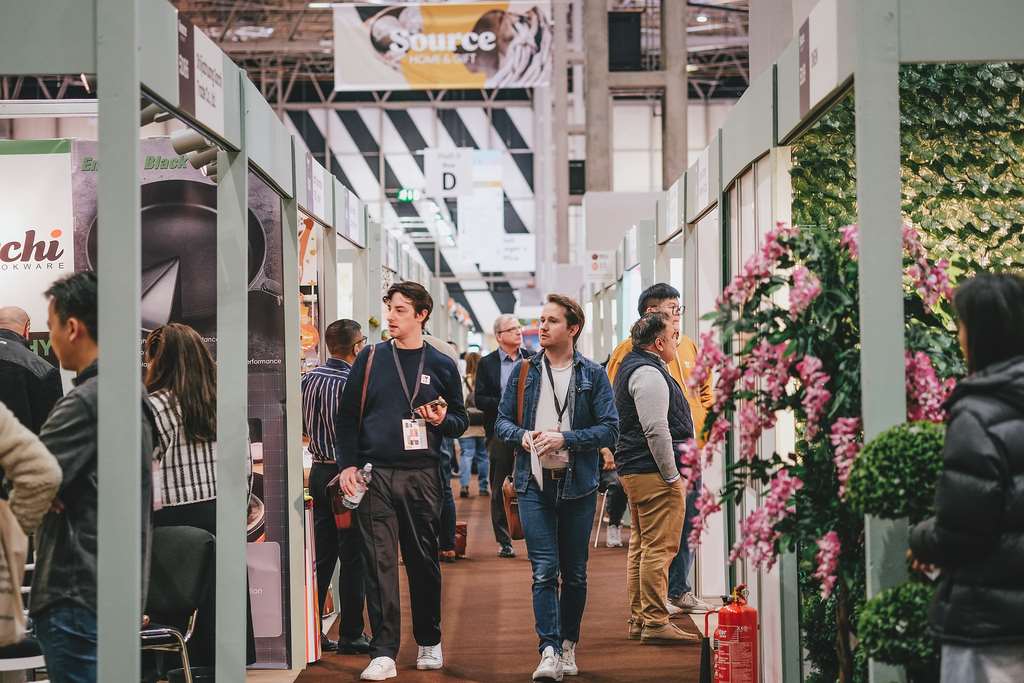
The curtains closed on Europe’s prominent responsible sourcing exhibition, Source Home & Gift, after an enlightening and prosperous four-day event that fostered connections within the global sourcing community. The show, which saw the participation of leading retailers such as Fenwick, Next, and John Lewis, served as a pivotal platform for sourcing ethically produced homewares, furniture, gifts, and more from a diverse array of manufacturers and brands worldwide.
Championing ethical and sustainable manufacturing
In its largest edition to date, Source Home & Gift spotlighted ethical and sustainable manufacturing as a driving force for positive change in the retail sector. The event showcased over 400 manufacturers and suppliers from over 25 countries, including emerging markets like Senegal, Ghana, and Nepal, alongside established players from Bangladesh, China, and the United States. This emphasis underscored the importance of conscientious sourcing practices in today’s retail landscape.
Hisham El Gazzar, CEO of exhibitor Yadawee, emphasized the significance of the UK market for Egyptian exporters, citing preferential tariffs under the bilateral agreement between the two nations. The show provided a platform for exhibitors like Very Nile Shop to showcase their innovative approach to recycling, transforming materials collected from the Nile River into unique products while empowering marginalized communities.
Positive Feedback from Industry Professionals
Attendees praised Source Home & Gift for its diverse range of exhibitors and its focus on sustainability. Alexandra Edmunds of John Lewis commended the variety of locations at the show, highlighting the excitement of discovering exhibitors from new and emerging markets. Sarah Horsnell, Head of Innovation at Appetite Me, noted the importance of sustainability messaging at the event, highlighting Source Home & Gift as a dedicated space for ethical and sustainable sourcing.
The New Product Showcase dazzled visitors with an array of meticulously crafted and environmentally conscious products from around the globe. From handloom furnishings by Seven Seas to compostable bamboo products by UniGreen, the showcase exemplified the fusion of craftsmanship and sustainability. Exhibitors like Nokoosh Egypt and Jaipur Bloc House showcased their commitment to eco-friendly materials and traditional craftsmanship, garnering attention for their unique offerings.
The Responsible Retail Stage hosted discussions led by industry experts on sustainable retail practices and emerging trends. Sessions such as ‘Future Global Retail Trends’ and ‘Sourcing and Storytelling: The Selling Power of Retail Transparency’ provided valuable insights into the evolving landscape of retail strategy and the importance of supply chain storytelling. Speakers emphasized the need for retailers to strike a balance between technology and human touch, leveraging innovations like AI while maintaining brand authenticity.
Looking Ahead
The next edition of Source Home & Gift is scheduled for September 1st - 4th at NEC Birmingham, promising another opportunity for retailers and manufacturers to connect and collaborate in the pursuit of responsible sourcing and sustainable retail practices. As the demand for ethical products continues to rise, events like Source Home & Gift play a vital role in shaping the future of the retail industry.
Under Armor boosts profit forecast despite sales slump
Apparel maker Under Armor saw its stock jump by 6 per cent after raising its annual profit and margin forecasts despite a third straight quarter of declining sales in its key North American market.
The brand missed market expectations for profit in Q3 by 6 per cent Y-o-Y. Its revenues during Q3 were $1.49 billion, missing analyst estimates of $1.50 billion.The brand expects gross margin to improve by 120-130 basis points due to lower production costs.
To offset weak demand and heavy discounting, Under Armour is leveraging lower production costs. The company is struggling to reignite growth despite promotions, particularly in its core North American market. Analysts like David Swartz from Morning star, have expressed concerns about the stagnant sales. David Bergman, CEO, also warmed of potential margin impact from ongoing promotions.
Trident witnesses a 25% decline in Q3 net profit
Despite a surge in consumer demand for home linen products during the festive season, Indian textile giant Trident witnessed a disappointing third quarter, The company's profit nosedived by nearly 25 per cent to Rs 1.09 billion, highlighting the challenge of rising expenses even amidst market growth.
While sales during the quarter grew by 12 per cent to Rs 18.35 billion, expenses ballooned by 16 per cent, primarily driven by a 9 per cent increase in raw material costs like cotton. This surge in expenses overshadowed the positive sales figures, resulting in the significant profit drop.
Typically a period of high demand for home linen products like bedsheets and towels, the festive season, saw a positive sales trend for Trident. However, this growth was insufficient to offset the escalating expenses, leaving the company's bottom line under pressure.
Despite the profit decline, the underlying market for home linen and textile products remains promising. This presents Trident with an opportunity to recover, but requires strategic cost management measures.
The company is implementing various initiatives to control expenses. These include actively negotiating with raw material suppliers to secure better pricing and explore alternative sourcing options; undertaking internal restructuring to optimise production processes and reduce overhead costs, and prioritising production and marketing of higher-margin products within its portfolio to improve profitability.
Tommy Hilfiger returns to New York Fashion Week with a new collection
Fashion legend Tommy Hilfiger made a triumphant return to the New York Fashion Week with a captivating show inside the iconic Grand Central Station. Held in the intimate setting of the Oyster Bar, the show unveiled Hilfiger's Fall/Winter 2024 collection, titled ‘A New York Moment.
Celebrating classic Americana with a modern twist, the show exuded effortless cool. Models, including Sylvester Stallone's daughter Scarlet, strutted down the runway adorned in oversized peacoats, pleated mini-skirts, and chunky knit sweaters. Bold scarves and statement collars added a touch of drama, while the overall silhouette remained relaxed and comfortable.
To keep the audience engaged, Hilfiger incorporated unexpected elements from the rhythmic soundtrack featuring funk legend Grover Washington Jr. to the surprise appearance of musician Jon Batist.
More than just a fashion show, this was a homecoming for Hilfiger. After showcasing his collections abroad for years, returning to New York felt like a natural fit. The audience responded with enthusiasm, applauding both the designs and the nostalgic spirit.
Textile Ministry pushes for expansion of PLI scheme in textiles
The Indian government plans to expand the Production Linked Incentive (PLI) scheme for textiles to attract more investment and boost production.
The scheme currently focuses on specific MMF garments and fabrics. The Textile Ministry proposes adding over 30 new items, broadening the scope and making it easier for investors to meet turnover and investment criteria.
It also plans to extend the current two-year period for setting up operations by one more year, giving investors more time to establish their businesses. Some MMF items like T-shirts, excluded due to technical classification issues, could be included in the list.
Expanding the scope of the scheme aims to attract more investment in the sector. The existing scheme attracted only 64 applicants, leaving a significant budget surplus
The industry has requested a longer gestation period due to geopolitical challenges.
The Department for Promotion of Industry and Internal Trade (DPIIT) has compiled recommendations from various sectors, including textiles, for PLI scheme improvements. The compiled recommendations will be presented to the Cabinet for approval.
Pakistan makes its presence felt at Texworld Evolution Paris
Pakistan made its presence felt at this year’s Texworld Evolution Paris with 19 companies showcasing their diverse offerings at the textile and apparel trade show. Participating under the banner of the Trade Development Authority of Pakistan (TDAP) and independently, these companies showcased a wide range of products, from eco-friendly fabrics to finished garments.
Proving as a key attraction, the ‘Denim Village’ featured a unique variety of denim fabrics and accessories. This aligns with Pakistan's growing position as a major denim producer.
The TDAP-led pavilion offered a comprehensive selection, including eco-friendly fabrics, cotton and denim blends, silk goods, embroidery, sportswear, shawls, and more. This showcased the versatility and adaptability of the Pakistani textile industry.
Further, the exhibition facilitated business-to-business meetings and provided prominent booth locations for Pakistani companies. This fostered important connections and opened doors for potential partnerships.
Pakistani participants were praised for their dedication to offering high-quality, innovative products, demonstrating the industry's commitment to competing in the global textile and apparel market.
Hermes soars with record profits in 2023
Consolidating its position as a market leader, French luxury powerhouse Hermes capped off a stellar year with record sales and profits.
The brand’s net profit surged by 28 per cent to €4.3 billion in 2023. Its sales increased by 16 per cent to €13.4 billion. The brand registered a strong growth across all regions including Asia, Europe and Americas. It continues to outperform competitors like LVMH and Kering, despite global uncertainties.
The group announced a €4,000 bonus for its 22,000 employees worldwide as part of "its policy of sharing profits with all those who contribute to it on a daily
The brand’s success was fuelled by a strong demand for luxury goods, particularly in Asia. Its performance sets a high bar for the luxury goods industry with companies needing to adapt strategies to keep pace with Hermes' growth trajectory.
Kontoor Brands promotes Michael Karapetian as the new VP
A global leader in apparel with iconic brands like Wrangler and Lee, Kontoor Brands, Inc promoted Michael Karapetian as the new Vice President of Corporate Development, Strategy, and Investor Relations.
Engaged with Kontoor Brands since 2020, Karapetian previously served as vice president of corporate development. He has a strong track record of success, says Joe Alkire, Executive Vice President and CFO.
Praising Karapetian's contributions, Alkire expressed confidence in his ability to drive future value creation for Kontoor Brands. He highlighted Karapetian's proven experience in the apparel, footwear, and retail sectors, gained through roles at Balyasny Asset Management, Citadel, Janney Capital Markets, and Merrill Lynch.
In his new role, Karapetian will continue to report to Alkire and will be responsible for leading the company's corporate development, strategy, and investor relations efforts.











