FW
Inditex to reopen stores in Spain
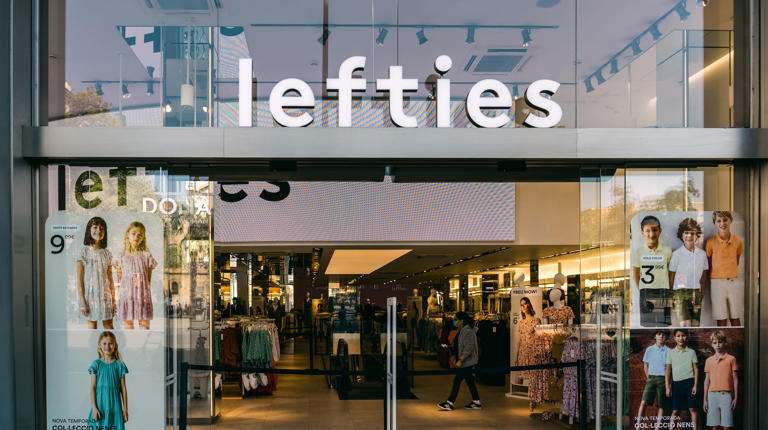
Zara-owner Inditex will reopen some of its smaller stores in Spain, as part of a gradual reopening of the store network in its home market where shops have been shuttered for more than seven weeks.
Spain accounts for the fashion retailer's largest network of stores by far, and the country accounts for nearly 16 percent of group sales. Inditex has a stable of eight brands from Massimo Dutti to Pull & Bear, including the Zara Home homeware label.
Spain imposed one of the strictest lockdowns in Europe on March 14 as it sought to control one of the worst outbreaks of the coronavirus globally, killing more than 25,000.
The government has started to relax the terms of the lockdown, allowing small businesses like hairdressers and shops to open this week, with restrictions
Japanese textile and apparel imports decline by 2%
According to the latest data by CCF Group Tracker, Japanese textile and apparel imports in March declined by 2 per cent year-on-year in March to 216,500 tonne. Of these, imports from China declined by 4 per cent to 105,300 tonne. In the first quarter, Japanese textile and apparel imports totaled 605,000 tonne, down by 7.5 per cent year-on-year; the volume from China totaled 286,000 tonne, declining by 13.1 per cent year-on-year.
Japanese textile and apparel import demand weakened sharply in the first quarter of 2020, and the decline in the volume from China was larger than the total. Global textile and apparel industry has been greatly impacted hit by the accelerating outbreak. While the pandemic in China has been controlled and mills gradually returned to work, the global consumption and trade suffered comparatively in the epidemic spread outside China.
From the perspective of share, the proportion of China in Japanese textile and apparel import market has gradually declined in recent years, with the proportion of quantity falling to 47.2 per cent.The market shares of Vietnam, Indonesia, Thailand and Bangladesh have gradually increased, especially in Southeast Asia.
Kingpins24 to go online with denims
Kingpins, the denim sourcing show with highly-edited selection of vendors, has announced that the next edition go Kingpins 24 will be an online-only denim event which will target the US denim market. To be held on June on 23-24, 2020. In 2020, Kingpins launched Kingpins24, the first online-only denim supply chain event, in response to the COVID-19 pandemic.
The online event will build upon the success and momentum of the first Kingpins24 event, which drew nearly 10,000 visitors to its website during its April 22/23 run and saw nearly 29,000 views of its on-demand content, including more than 13,000 views during the show and in the week following.
One key change that will be made to the June Kingpins24 event will be that members of the denim supply chain that are not Kingpins New York exhibitors will be allowed to apply to join the online event as exhibitors.
The updated Kingpins24 concept will also include a shorter and more streamlined livestream, with a focus on webinars, interviews, panels and conversations. The livestream, which will be abbreviated to 8 hours from 10, will go live at 9am EDT and wrap up at 5pm EDT on both days. The livestream will once again be hosted by Olah and Vivian Wang, Kingpins’ managing director and head of global sales, but will include a larger cast of co-hosts and interviewers, according to a press release by Kingpins.
On-demand content will return with a wide variety of content produced by Kingpins, Kingpins exhibitors and industry partners. Feedback from Kingpins24 attendees put an emphasis on product-related information from mills and manufacturers, and this category will be a focus of the next iteration of Kingpins24.
Finally, Kingpins Trend x Denim Dudes will once again screen the FW 2021 denim trend forecast film during Kingpins24 for a $35 fee per viewer. Now, it will be screened multiple times on June 25, 2020, the day after Kingpins24 wraps. As before, all other Kingpins24 content remains entirely free.
Q1 revenues of Kontoor Brands decline by 22%
The February year-to-date revenue of Kontoor Brands declined by mid-single digits compared to adjusted results in the prior year, with approximately one-third of the drop-off due to China, as impacts from COVID-19 weighed heavily in the region.
The brand’s March revenue declined significantly, particularly in the U.S. and Europe, as retail and owned-door closures and governmental stay-at-home orders spread. Given that the wholesale channel represented approximately 85 percent of the company’s global revenue in 2019, continued customer door closures resulted in a material decline for April revenue, but digital trends have been improving in recent weeks.
In the US, the company’s largest online and brick-and-mortar retail partners are leaders in their respective channels of distribution, and while volumes have been reduced, sales to most of the company’s largest customers are continuing.
So far, Kontoor has not experienced significant service disruptions to customers given its global, diversified supply chain network. As order volumes decelerated late in the first quarter, production in the company’s owned manufacturing facilities was adjusted to align with demand and tightly manage inventory.
Kontoor finished the first quarter with $479 million in cash and cash equivalents, and approximately $1.4 billion in total long-term debt. Over the past 60 days, the company has taken several proactive actions to enhance liquidity, including drawing down $475 million from its revolving credit facility and amending the terms of its credit facility to provide future period covenant relief and increased flexibility, but requiring netted cash not to exceed $250 million.
Mango to contribute to WHO’s solidarity fund
The Spanish fashion retailer Mango will donate 1 per cent of its in-store sales revenue to WHO’s solidarity fund that has been set up to help the most vulnerable health groups in the world.
With more of the brand’s opening in various countries and cities, stores located in New York, Russia, Turkey and Europe will partake in the initiative.
The COVID-19 solidarity fund has been created to allow foundations, organisations or even individuals to help the WHO respond, prevent and detect the disease in different parts of the world.
Apart from the current donation, the brand has also provided 2 million face masks to medical workers along with making their distribution, logistics and production facilities available to the disposal of Spanish authorities for the manufacturing of surgical masks.
As more and more countries relax lockdowns and social distancing norms, Mango was able to open up some stores in Europe in April. Their website has been functional throughout to take orders.
Monte-Carlo Fashion Week takes the digital route
Planned from May 14-18, 2020, Monte-Carlo Fashion Week will move to social media for launching its project 2020 MCFW Series. Federica Nardoni Spinetta, President of the CMM and creator of Monte-Carlo Fashion Week (MCFW), has scheduled a series of live streams to bring together key players of the event to offer an alternative way to celebrate fashion.
The event will be held on the CMM’s Instagram account @montecarlofashionweek on the weekend when the eighth edition would have taken place, replacing roughly 45 runway shows which would have taken place. Speakers at the event will discuss cultural and style-related themes, an exploration of the present and future state of the fashion industry. Participants will continue to highlight the importance of sustainability, ethics and eco-awareness.
The live stream sessions will begin with Pauline Ducruet, founder of the ready-to-wear unisex brand Alter. One of the highlights of the fashion week will be its awards night, which celebrates brands’ and designers’ commitment to the industry and sustainability. Adapted for the digital format, the award will go to the brand who has best distinguished itself in the online meetings and talks. The winner will display their vision and work in a short video which will be uploaded to the fashion week’s social media accounts and the YouTube account Fashion Channel. With 1.6 million subscribers, it proposes a true growth opportunity for the winning brand.
UK retailers find creative ways to clear unsold stocks
 Excess unsold stock has become a multibillion-pound problem for fashion retailers whose trade is fast decimating as they are left with pounds of unsold spring and summer stock in their warehouses. Last week, UK-based brand Next recorded a steep decline in sales as more stocks are clogging up in its warehouses than was previously anticipated. To mitigate this risk, Next is using third-party storage facilities and holds some stock in source countries, at an estimated additional cost of £2 million. The brand has identified £330 million worth of spring 2020 stock comprising summer T-shirts and chinos – that can be carried over to next year.
Despite taking such initiatives, retailers are still likely to be left with a glut of seasonal, trend-led products that have a short shelf life. This may lead to aggressive discounting. Hence, they need to find a way to ear piled up stocks. Raffy Kassardjian, Founder, Parker Lane Group, advises retailers to take a strategic approach spanning different geographies and not flood a single international market with product, particularly as this is likely to be an issue that affects several seasons.
Selling through off-price channels A report on the impact of coronavirus on retail by management consultancy McKinsey & Company points out another option for retailers. It says, retailers can now sell through off-price channels like Chinese ecommerce giant Tmall which recently launched an online outlet, Luxury Soho to promote its premium and luxury brands.
Some brands are also launching their own off-price platforms and flash sale events to move excess stock. For example, contemporary women’s wear brand Ganni launched a six-day pop-up digital sale at the end of April offering discounts of up to 70 per cent on 400 items. The brand will donate 20 per cent profits to UN Women projects that support female health workers on the frontline of the pandemic.
Another avenue open for these brands is sell their unwanted stock in countries that have been less affected by the pandemic. Business partners Sarah Curran-Usher, entrepreneur and a non-executive director at French Connection, and Nicola Mathews, a former brand director at Ted Baker and Pentland Brands, are collaborating with John Lau, founder of Chinese commerce specialist Ecargo, on a project to help brands and retailers move unsold stock from the UK into the Chinese market.
Re-evalute approach to unsold stock
However, while moving unsold stock to other countries, retailers have to think carefully about matching the stock to the right retail partner and the right consumer, views Dea Baker, founder Aqua Rock. According to her, the pandemic could provide the industry with a valuable opportunity to rethink its approach to stock.
Donating products to good causes is another option for retailers left with too much stock, argues Ronen Lazar, Co-founder and CEO of Inturn – a platform that helps retailers manage their inventory. Some brands are supporting charitable causes by moving their excess stock to social institutions. For example, Burberry has donated product to Smart Works, which provides free clothes and training for unemployed women with an upcoming job interview.
Sustainability from waste
Some smaller brands are also finding innovative solutions to help mop up excess stock in the market. Sustainable brand Aqua Rock has created a range of T-shirts made from cancelled stock produced by factories in Bangladesh.
Though in the current situation, heavy discounting is inevitable, retailers should look to the opportunities in off-price and international markets, to clear some of the stock without damaging their brand equity.
Apparel manufacturers will tap more local opportunities post COVID-19
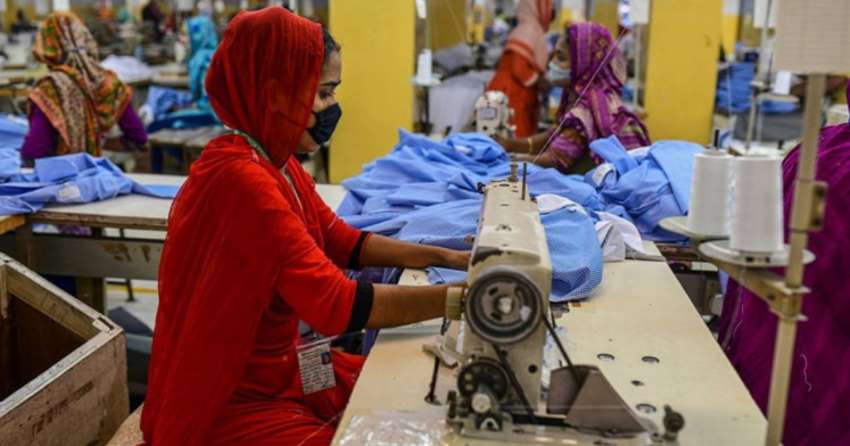
 In the next 12 months, COVID-19 will overhaul the complete design, development, sourcing and manufacturing of clothes. As Jag Gill, CEO of Sundar, notes in an article in WWD, the pandemic will localize apparel manufacturing with large entities taking over Tier II and III suppliers. The diversity of supplier chain partners of brands and retailers will also change in coming months and years.
Supply chain to be carefully scrutinized
Gill points out another important change will be upstream consolidation by manufacturers which will enable them to become a strategic partner to international retailers and brands. These brands and retailers will de-risk product development with every step of the supply chain under scrutiny — from yarn spinning, weaving to dying to cut and sew. Retailers having liquidity will focus on investing into their core vendors and manufacturers or get into joint-ventures.
Inventory management will move from ‘just-in-time’ to ‘just-in-case.’ Companies with limited product offerings will have a greater control over the supply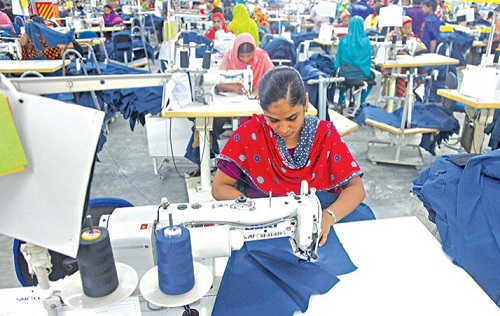 chain output. Real-time visibility into the availability of raw materials, finished goods, work in progress, etc. will expose capacity constraints of the Tier I, II and III suppliers.
Focus to shift away from China
Gill argues the pandemic will also accelerate trade tensions between China and the rest of the world. The Japanese government has already announced over $2 billion aid to shift production out of China. Countries like Turkey, Jordan and India may bag larger orders as they carefully transit from post-pandemic to productivity. Investments into stringent employee health monitoring will become imperative as besides maximizing output, companies will also invest in screening their workers’ health.
Another change will come in the form of near-shoring, views McKinsey. New manufacturing hubs will encourage brands to design smaller capsule collections.
Sustainability to be the new way of life
Coronavirus is forcing consumers to adopt a more sustainable way of life. Hence, they will now make their choices based on the values of sustainability and transparency. However, not many apparel manufacturers have the resources to invest in transparent supply chains and responsible sourcing programs in a meaningful way. Hence, retailers and manufacturers will have to reinvent their supply chain as a cheaper, faster, better model driven by innovation and easy to adopt tech and transparency tools.
Fashion with function to rule
The needs of consumers will shift from conspicuous consumption to cautious conservatism as working from home will become new normal and video conferencing replace in-person meetings and business travel.
Fashion with function will rule consumers’ choice of apparel and accessories as they will emphasize on their garment’s ability to protect them not just from disease but also from cold and even from food stains. Consumers will value apparels that are not just durable but never go out of focus. They will look at nonessential apparels only as investment pieces to be worn on specific occasions.
ZDHC approves STS to conduct conformance evaluations of restricting substances manufacturing
Sustainable Textile Solutions (STS) by BluWin has been approved by the Zero Discharge for Hazardous Chemicals Foundation (ZDHC) to conduct Level 3 ZDHC Manufacturing Restricted Substances List (MRSL) conformance evaluations. After successful evaluation, chemical manufactures now can proof their product claims, mills can achieve cleaner production more confidently and brand and retailers make a step towards meeting their sustainability targets. STS by BluWin are on a mission to contribute to a better world and life quality by providing solutions which reduce the adverse effects of the fashion industry on our planet and the climate. The STS expert team is now helping companies taking control of the chemicals they use. Their unique skillset - marrying knowledge of chemical manufacturing with cleaner production practices for the fashion industry - is inevitable to create long-lasting change and making safe chemicals the norm for the fashion industry.
For more than a decade, the textile industry has been under scrutiny for the chemicals used in production. With fashion demanding sustainable textile production, programs on cleaner and greener chemistry have become strategic goals for brands and retailers. Multi-stakeholder organisation such as the ZDHC have been essential in creating a new way forward building an ecosystem to bring organisations together to develop solutions and guidelines which transform how chemicals are used.
STS has been involved from early days onwards while consulting wetprocessing units on cleaner production practices. The work revealed the basic phenomenon of complex value chains and chemistry being more than elements and compounds: composition, structure, properties and behaviour change during a reaction with other substances. This makes it intricate to take the right steps for everybody endeavouring cleaner textile production. For brands it has never been easy to report on the level of ZDHC MRSL conformance of chemical products of their business partners, for wet-processing units to clean up their dyeing recipes and for chemical suppliers, to proof their commitment towards achieving formulations which are compliant with the ZDHC MRSL 2.0.
Yarn revenue to decline due to shutdown and weak demand: CARE Ratings
A recent CARE Ratings shows, shutdown of manufacturing units and weak demand in India are expected to take a heavy toll on the cotton yarn industry in the next two quarters. This will lead to a drop in revenue and a fall in profit margins. Smaller companies with high debt levels, less access to bank funding and limited liquidity buffer are expected to be impacted the most.
The cotton spinning industry, which had already been facing multiple challenges — low demand, unfavorable duty structure and volatile cotton fiber prices — is confronting another trouble in the form of the Covid-19 pandemic. In the first 10 months of FY20, the average monthly exports of cotton yarn stood at Rs 1,616 crore, significantly lower than the monthly average of Rs 2,278 crore logged in the same period last year. China’s major cotton yarn demand is now being catered to by Vietnam, which enjoys duty-free access to China. In the last few years, Chinese companies have invested heavily in Vietnam to expand their spinning capacities, leveraging low labor cost in that country and favorable trade agreements. In 2019, China also allowed Pakistan to supply 3,50,000 tonne of yarn at nil rate of duty, while Indian cotton yarn attracts a duty of 3.5 per cent in China, making Indian cotton yarn less competitive in the Chinese market.