FW
Gap’s expansion plans generate mixed reactions
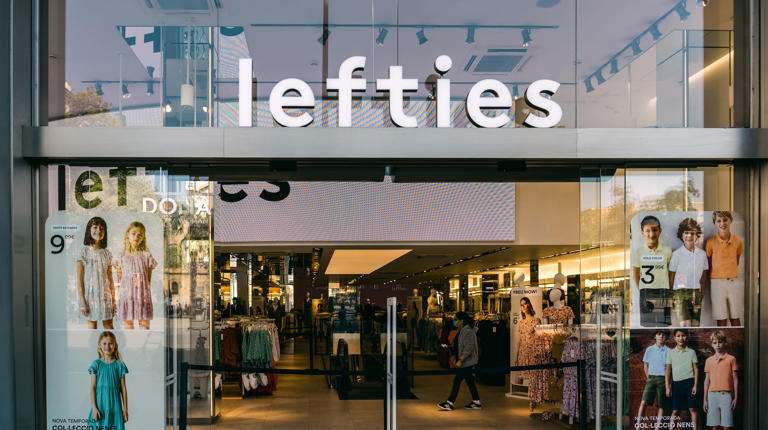
Gap’s move to expand into other categories has generated mixed reactions from the industry. As a part of its deal with licensing firm IMG, Gap will be selling products in the home décor, furniture and textiles spaces. Gap-owned Banana Republic and Janie and Jack will also be expanding into new categories, yet to be named. Additionally, Gap will be launching baby equipment and care products, presumably under its existing baby clothing brands.
Ken Cassar, Principal at Cassarco Strategy and Analytics Consultants, views this move as a big payoff. However, Georganne Bender, Principal at Kizer & Bender advises The Gap GPS to reinvent itself. Most current footprints for Gap brands are too small to make an impact selling furniture, home decor and apparel a la Anthropologie.
Kathleen Fischer, Director of retail marketing at enVista also believes that launching a new segment in current times is not ideal as demand is weak, supply chains are broken and money is tight. Fischer advises Gap to shore up its current business model before branching into something new.
According to Jeff Weidaeur, Principal at SSR Retail, the best time for a brand to stretch into adjacent categories is when it has a strong share in its primary category. Neil Saunders, Managing Director at GlobalData, opines this move will enable Gap to raise some quick and cheap money.
Gap is also planning to slowly reopen stores as some US states and cities begin lifting lockdown restrictions. The brand plans to open 800 of its Gap, Old Navy, Athleta and Banana Republic stores by the end of the month.
Coats Digital launches PPE Fast Start solutions
Coats Digital, the world’s leading industrial thread company, has launched PPE Fast Start, an initiative to support manufacturers switching part of their production facilities and supply chains to help address the global shortage of personal protective equipment (PPE).
The PPE Fast Start version for FastReactPlan provides manufacturers with a highly visual, intuitive solution which supports a fast, detailed and accurate order confirmation process and a production plan which is optimised for delivery, efficiency and speed.
Similarly, the Fast Start for PPE version of GSDCost, the International Labour Organisation (ILO) helps them to establish and optimise accurate time and cost benchmarks for garment costing. It also enables staff with little or no manufacturing expertise to develop a ‘time-cost analysis’ for selected PPE products ensuring that the Standard Minute Values (SMVs) used for costing, capacity calculations, performance targets and planning are accurate, reliable and consistent.
There is also a Fast Start for PPE version of IntelloCut, the real-time, automated fabric planning solution for optimised fabric utilisation which gives manufacturers complete control over fabric usage in the cutting room. It optimises the processes of cut plan, lay plan and allocation, end bit usage and management, tracking and reporting.
All three of the PPE Fast Start solutions have been configured to support rapid, remote implementation and can be fully operational and delivering significant, measurable business benefits in a matter of weeks.
ATS adds Apparel Textile Sourcing Virtual to trade-show calendar
Apparel Textile Sourcing Trade Shows recently added Apparel Textile Sourcing Virtual edition to its 2020 trade-show calendar. Scheduled to take place May 25-29, the show will feature supply-chain focused seminars, buyer-and-seller matchmaking, and interactive booths, through which attendees can shop ready-to-order apparel, textiles and accessories.
While ATS postponed its Apparel Textile Sourcing Miami show due to COVID-19, moving the event from May 27-29 to November 11-13, show organizers wanted to aid its exhibitors and attendees. The introduction of the virtual ATS component was to deal with the challenges stemming from the pandemic faced by the industry. According to Jason Prescott, CEO, JPC Inc and ATS Trade Show producer, COVID-19 has led industry leaders to come together in the spirit of collaboration to support the health of the apparel business.
The producers of the event are currently approaching attendees registered for the Miami and Canada editions of the ATS shows, in addition to brands from TopTenWholesale.com and Manufacturer.com
Almost 20 per cent exporters resume operations: AEPC
AEPC says around 20 per cent of apparel exporters in India have resumed operations with 25-30 per cent of their workforce. Many apparel makers opened some of their factories with a rudimentary workforce in April to make personal protective equipment, but now more factories are being opened and production of apparels is being resumed. These include leading exporters like Shahi Exports, Gokaldas Exports, Texport Industries, Matrix Clothing and Orient Fashion Exports.
With lockdowns in place the world over to contain Covid-19, many companies had cancelled or deferred their orders, said people in the know. Some of these orders were in the middle of production and the salvage value of these was less than a quarter of the cost. According to industry estimates, between 15 and 25 per cent of orders placed before the pandemic have been cancelled with companies invoking the ‘force majeure’ clause and not all have reimbursed their suppliers for the material loss.
Meanwhile, companies have been negotiating for longer payment schedules than the usual 30-day or 60-day cycles to 90 and 120 days, leading to cashflow constraints for manufacturers. Some have even tried negotiating for 180 days.
New orders for fall and winter collections are also being delayed as stores in the western hemisphere are only now slowly opening and the companies are yet to assess the demand. Since many corporate offices in Europe and the US remain closed, it will take longer for clarity to emerge whether these orders will come at a later stage or not.
Export business upwards of $3 billion has been impacted due to the Covid-19 pandemic because key European markets like Italy had gone into lockdown even before India in mid-March.
Bestseller accused of cancelling orders, delaying payments
Labor rights advocates recently complained to the Workers Rights Consortium that Bestseller is imposing retroactive price reductions, order cancellations and extended delays in payment of invoices across its supply chain. The Denmark-headquartered apparel retailer—which also owns the Jack & Jones, Mamalicious and Vero Moda brands—has canceled up to 20 per cent of completed and in-process orders without compensation while imposing price cuts of up to 25 per cent on the orders it is accepting.
Despite it’s previously announced commitment to accept delivery of finished and in-production orders, plus its pledge to remain in “close dialogue” with suppliers amid the coronavirus pandemic, Bestseller has not promised to pay for these orders in full. Instead it is telling suppliers to accept retroactive cancellations and price reductions on its orders, which vary in size from supplier to supplier and which, in the aggregate, constitute a huge financial blow to Bestseller’s supplier base and to the workers who make its clothes.
Bangladesh RMG workers protest over lack of salaries
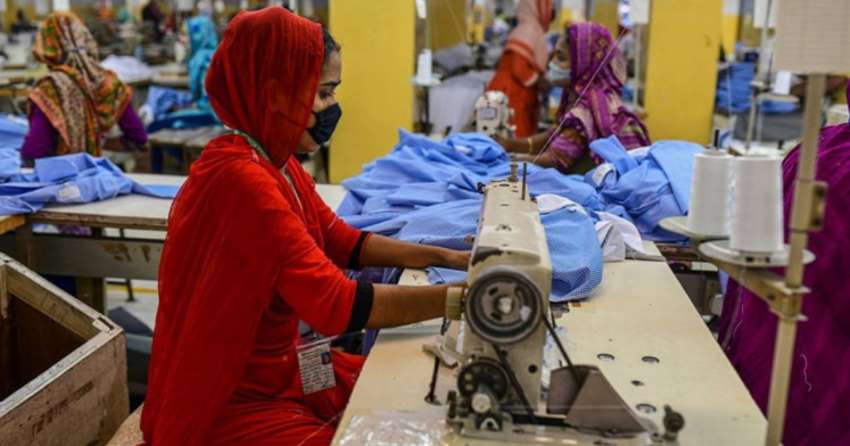
Thousands of apparel industry workers in Bangladesh are protesting over lack of salaries. Some workers had vandalised a ready-made garment (RMG) factory belonging to DBL Group in Kashimpur, under Gazipur district, demanding full wages for April and Eid bonuses.
The government has already given a directive on this issue, saying only those who were present at work for the entire month of April will get 100 per cent salaries. Workers who did not have 100 per cent attendance will get full salary for the working days and 65 per cent for the remaining days.
MA Rahim, Vice Chairman, DBL Group said they have paid the salaries as per the instructions of the government. He explained that the time for paying Eid bonuses had not come yet.
Similar scenarios played out in at least 10 factories of Gazipura and Ashulia on the same day, according to sources. The factories are Gazipur-based Mondol Group, Metro Knitting and Dyeing Mills, Fareast Knitting and Dyeing Mills, The Ashulia-based factories are Sharmin Group, Starling Creation, Yeagi Bangladesh, Ratul Fabrics, and Manami Fashion.
BGMEA sources said other big RMG companies have also faced such demonstrations in the last few days, including Hameem Group, Envoy Group and Islam Group – all based in Ashulia. Rezwan Salim, a BGMEA director, also acknowledged the trend. According to IndustriALL Bangladesh Council (IBC) Secretary General Salauddin Shapon, could be the absence of trade unions, the reason for this could be the absence of trade unions.
Impulse buys of Americans increases 18 per cent
A recent poll of 2,000 Americans conducted by Slickdeals and OnePoll revealed, the expenditure of average, American on impulse buys has increased by18 per cent to $182.98. Nearly 72 per cent respondents reported buying something impulsively during the pandemic positively affected their mood. The top items that Americans ought impulsively during this period included cleaning supplies, hand sanitizer and toilet paper. Around one in four consumers also reported buying something as a treat that they've had their eye on for a while. Nearly one in five impulsively purchased a new video game console, with 22 percent purchasing clothing and 18 percent spending on home improvement.
According to the results, more than half of Americans polled credited impulse buying with actually saving them money in the long run. When impulsively shopping, 52 per cent respondents said they typically take advantage of a deal rather than buying at retail price.
While the majority of impulse buys tend to be for oneself, getting things for their children was also a top response, with gifts for friends, and their partner scoring high marks as well. Nearly one in five say they impulse spend on their pet. Since the pandemic began, 46 percent reported ordering online groceries for the first time, with 47 per cent trying a new streaming service and 35 per cent being a first-time customer with a restaurant delivery app. Nearly 71 per cent revealed their plans to continue shopping online even after the stay-at-home order is lifted for them.
Lingerie business shrinks but demand to rise post lockdown
 COVID-19 crisis is likely to result in a $9 trillion loss for economies worldwide. Many developed economies like Germany, France, Italy, Spain, Great Britain and US and several nations of G7 may go into recession with chances of recovery from April 2021 onwards. These countries are fighting this deadly pandemic by coming out of the lockdown in a slow and sustained manner. In India, the government has allowed partial lifting of lockdown for various businesses in the Green Zone and restricted lifting in Orange Zone which will be followed by lifting of lockdown conditions on several other businesses.
To gauge the impact of lockdown on manufacturers, Lace n Lingerie conducted a survey among 300 manufactures of intimate wear, nightwear, loungewear, athleisure, men’s innerwear from Mumbai, Delhi, Tirupur, Coimbatore, Ghaziabad, Ludhiana, Bangalore, Kochi, Chennai etc. The survey was conducted from April 10-17, 2020.
Lingerie businesses to shrink by 60 per cent
About 50 per cent respondents opined their businesses will shrink between 21 to 40 per cent while about 25 per cent expected it to shrink by up to 60 per cent. However, around 20 per cent respondents did not expect the lockdown to impact their business in any way.
Around 3 per cent respondents expected their businesses to stablize within three to six months post lockdown, however 21. 5 per cent expected the recovery to come within three months. However, a majority of respondents, around 36 per cent, expected recovery in 6 to 12 months or more.
Brands to reduce staff and salaries
To tide over expenses incurred due to the lockdown, about 18 per cent stated they would try and reduce staff salaries while 11 per cent planned to reduce staff, travel, space and even marketing and branding expenses. They also planned to lower their rentals by up to 29 per cent.
Around 79 per cent respondents sought government support to maintain the current level of staff if the lockdown persisted further. Almost 63 per cent revealed cancellations to prior orders. However, 39 per cent did not mention any order cancellations, which augurs well for this sector recovering well before the other sectors of the garment industry.
Future bright as demand to rise
As intimate wear is a need-based functional item, the lockdown has also led to a huge rise in demand as people prefer to dress in loungewear, boxer shorts, bermudas, pajamas and basic bras and panties and underwear during this period.
Around 21 per cent view order cancellations to be a result of stock correction with distributors and retailers likely to reorder or perhaps order more from the same brand over more basic and VFM items. The survey revealed, consumers may defer purchasing intimate wear for a week or so but will definitely return to the market in times to come.
It’s time for the fashion industry to get personal
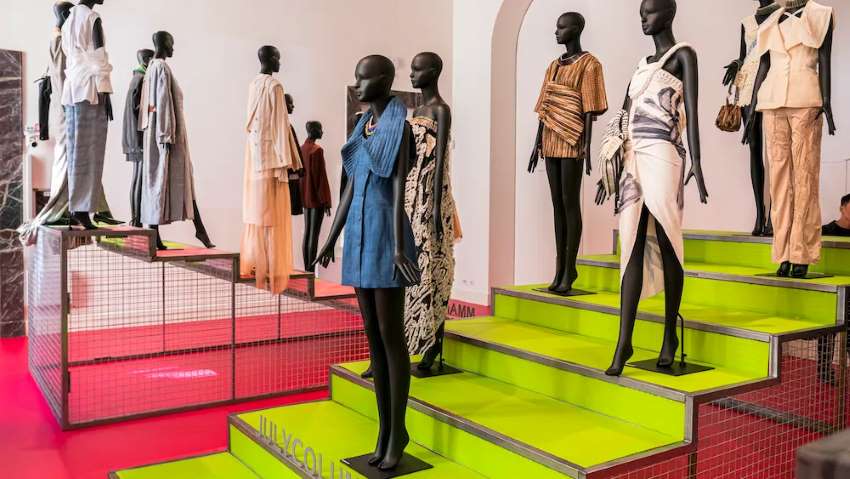
 Even before the spread of COVID-19, the fashion industry was facing an existential crisis due to its obsession with fantasy and exclusivity. Now, as health experts warn of a the second wave of the virus, many fashion players are yet to make plans to deal with the pandemic, though some have been replacing physical shows with digital ones, or kicking the can further down the road.
Getting intimate with consumers
Pioneering this initiative, Kering-owned, billion-dollar brand Saint Laurent does not plan to stage any runway shows for the remainder of the year. Instead, the brand will showcase its clothes on a self-determined calendar. The brand plans to take control of its pace and reshape its schedule by showing collections outside the tightly organized Paris Fashion Week calendar and release advertisements in tandem with the collections’ arrival in stores. The brand’s approach includes encouraging a more lasting, less ephemeral attitude toward experiences and products.
Similarly, Hermès is emphasizing on the human aspect of its artisanal tradition by adding the names of its designers on its scarves. Brand ambassadors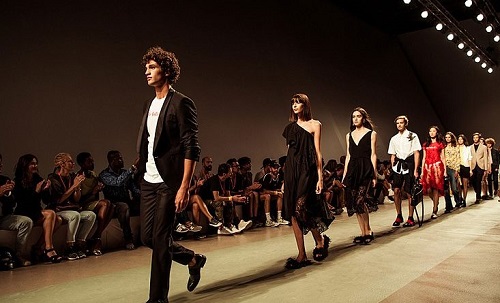 Naomi Campbell, Marc Jacobs, and Riccardo Tisci are using digital media to become more intimate with their audiences, making things that once took months to consider and arrange into now-daily occurrences. Though the brand plans to skip fashion shows this year, it still plans to advertise its collections.
Being humane
For years now, celebrities have been skipping traditional press opportunities for social media which allows them to stage their own narratives and maintain optimum control. However, this adds to the pressure on brands to convince their customers that their products are worth the price. Consumers are already growing suspicious of brands that claim to do something bigger than make clothes. The key is to act humane, instead of like a human.
Rather than democratizing the industry, brands should attempt to personalize their offering, which spells a different kind of luxury for consumers. They should focus on not only on personalizing their websites but also adding a personal touch to their products on other social media channel that would ensure an enhanced shopping experience to consumers.
ACG sets up new PPE plant
Sweden’s ACG Group has set up a dedicated new nonwovens fabric converting and single-use garment making-up plant in just three weeks.
The new plant was established to convert and coat the fabric and turn it into fully finished protective overalls for hospital staff each month. It now employs 80 staff in a two-shift operation and has been such a success that a second immediate order has been secured from the Swedish authorities. This will push production up to a monthly 1.8 million square metres of converted fabric turned into 692,000 finished medical garments.