FW
India’s luxury resale segment poised for big growth as new sellers join the fray
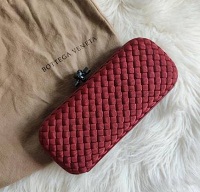 Luxe brand hunters in India have never had it so good with brands like Jimmy Choos available at price of a Zara handbag, and Rs 25,000 worth sunglasses from Tiffany & Co can be had for Rs 8,000 from Instagram thrift stores. The luxury resale market is proving to be a boon for shoppers with limited budgets. The market has witnessed exponential growth globally and is expected to be worth $64 billion by 2024. In India, search for thrift stores on Instagram records 6.25 lakh posts and over 60 handles deal with thrifting.
Thrift stores selling authentic luxury brands
Amongst the thrift stores that have come up in India over the past two years are, stores specializing in authentic products from high-end brands. They usually source products directly from sellers or physical thrift stores. The products are authenticated, cleaned and photographed before being sold again.
Prominent amongst these stores is the pop-up by Chennai-based graphic designer Sruti Ashok called ‘The Relove closet, so far, the store has gained over 5,000 followers. Ashok sells high-end luxury brands such as Versace, Swarovski, Chanel, Roberto Cavalli, Tiffany, Chloe, YSL, etc priced between Rs 3,000 and Rs 5,000 on her instagram page and caters to women in mid-20s and 30s.
Higher prices for exclusive products
Ashok says, the price of thrift products often depends on their use, wear and tear and visible defects. Style is also important as a limited edition product often commands higher price.
Kohima-based Jungshi Imti has been involved in thrift business for over two years. His instagram handle @Chichi n Co sells luxury bags, shoes, T-shirts, and dresses from brands like Louis Vuitton, Marc Jacobs, MCM Worldwide, Kenzo, Givenchy, Guess and Balenciaga. He authenticates the products with a certificate. In case, it is not available, he advises buyers to look the product code in the insides of the bags or shoes. This code can help trace the products’ manufacturing date and country of origin from the brands’ website. Brands like Louis Vuttion also provide buyers a date code which helps in authenticating the product.
A fast changing trend
Knowledge also helps thrift sellers determine the authenticity of their products. For example, Riva Rokade, a student of styling and mass communication, scouts through heaps of clothes before making her final selection. The Mumbai-based stylist launched The Vintage Laundry in Feb 2020 but had to shut it for two months due to the lockdown. She visits her suppliers to curate the clothes. However, this was not possible during the lockdown. Even after easing of restrictions, she could sell only five clothes every week. Now, she sells around 30 pieces every week. Most of Rokade’s clothes are sold within two or three days. She mostly sells jumpsuits, flowing pants, sweatpants and baggy shirts. Hoping for fashion trends to change soon, Rokade is geared up to face the challenge.
Companies weed out harmful chemicals
Clean Production Action’s 5th Annual Chemical Footprint Project (CFP) Report analysing the results of the CFP 2020 surve shows companies are identifying hazardous chemicals in products, packaging, manufacturing, and supply chains, and replacing them with safer alternatives.
Front-runners have senior management leadership and board level engagement in chemicals management. They publicly disclose their Restricted Substances List, calculate their footprint by mass and many have no chemicals of high concern in their reported products. Senior management in these companies have demonstrated their willingness to engage with stakeholders on the measures they are taking to know and reduce their chemical footprint.
These are the results of a survey by Clean Production Action. This is a non-profit organisation whose mission is to design and deliver strategic solutions for green chemicals, sustainable materials, and environmentally preferable products. Its tools, GreenScreen for Safer Chemicals and Chemical Footprint Project, simplify the complexity of substituting chemicals of concern to human health and the environment with green chemistry solutions. Disclosure leaders in the survey include Herman Miller, Seventh Generation and Walmart.
Toxic chemicals can cause a range of diseases that include cancer, diseases of the heart and lungs, and reproductive impairment. Prevention of these impacts is most effectively achieved by phasing out the use of toxic chemicals. The pandemic is a reminder that unseen things can cause great damage and that the single most effective strategy for safeguarding health and preventing disease is to prevent exposure.
Lycra Company to showcase anti-slip fiber at Kingpins24 Flash event
A leader in sustainable fiber solutions, The Lycra Company will showcase latest denim innovation, Lycra Anti-Slip Fiber, at Kingpins24 Flash online event. To be held from February 23-24, 2021, Kingpins24 Flash will focus on denim innovation and technology via a combination of on-demand and livestreamed content.
Melissa Stewart, Global Technology Director -R&D and Materials innovation, and Jean Hegedus, Director-Sustainable Business Development, will provide updated performance data and sustainability certifications for this innovative, patent-pending fibre that was developed as a market back solution.
Lycra Anti-Slip fiber is a denim seam slippage solution for applications in single-core spandex fabrics that help jeans maintain their fit, shape and appearance wash after wash and wear after wear. Using Lycra Anti-Slip fibre in the core of Lycra dualFX technology yarn further enhances anti-slippage performance while combining withLycra T400 fibre helps deliver the high stretch of Lycra fibre with exceptional anti-slippage properties and the excellent recovery power of Lycra T400 fibre.
The Lycra Company will also support Naveena Denim Mills in its presentation on the new Wraptech 2.0 product featuring Lycra T400 fibre. Silvia Toledo, Senior Strategic Account Manager for Europe, will participate in the session on February 24.
VF allocates green bond proceeds for sustainability projects
VF Corp has fully allocated the proceeds from its first green bond issued last year. VF Corp is the first company in the apparel and footwear industry to have issued a green bond. The money raised from the offering was used to fund 13 projects within the company’s ‘Made for Change’ sustainability strategy. The investments enabled the company to avoid about 16,000 metric tons of CO2 emissions each year through the procurement of more sustainable materials. It also led to a reduction of more than 970 million liters of water used in production each year, and enabled the planting of two million trees. The proceeds will be used by the company to support projects in three key areas that align with the United Nations’ Sustainable Development Goals (SDGs) - increasing its sourcing of sustainable products and materials, reducing its carbon footprint, and investing in natural carbon sinks such as forests.
VF Corp owns brands like Timberland and North Face. To provide transparency for its green bond initiative, VF has published a Green Bond Impact Report which includes a breakdown of allocated proceeds and select metrics and achievements of related projects. VF’s inaugural green bond was significantly oversubscribed when it was issued in February 2020.
Replay partners Aston Martin Cognizant Formula One Grand Prix
Replay is partnering the Aston Martin Cognizant Formula One team. The historic British automotive brand is returning to Grand Prix racing after a hiatus of more than 60 years.
Italian denim specialist Replay will be the official denim partner of the racing team, dressing its drivers in more relaxed moments away from the grid. Slated to kick off on March 28, the 2021 Formula One World Championship is due to be contested over 23 Grands Prix held around the world, starting from Bahrain. Replay is not new to the world of sports. In 2019 the brand signed a four-season tie-up with the Paris Saint-Germain soccer team, becoming the Paris-based team’s official denim partner. In addition to a co-branded capsule collection that made its retail debut last year, the collaboration encompasses a number of marketing initiatives to be promoted across both entities’ social media and digital platforms.
Replay’s parent company Fashion Box is a leader in the denim segment, creating and distributing casualwear, accessories and footwear for men, women and children under the brands Replay, Replay & Sons and We Are Replay. Present in more than 50 countries, the company’s wholesale distribution network includes 4,000 stores, 120 single-brand stores and 90 corners and shops-in-shop.
Virtual London Fashion Week to feature many noted designers
Beginning today on a virtual platform, London Fashion Week features reputed national and international designers such as Turkey's Bora Aksu, Britain's Molly Goddard and Ireland's Simone Rocha. In all, 94 designers will participate in the show concluding on Tuesday. The show will broadcast video highlights of their collections showcasing menswear, womenswear or mixed fashions.
On Monday, British brand Burberry will present its menswear Autumn/Winter collection for 2021, designed by Italian creative director Riccardo Tisci. Former Spice Girl and designer Victoria Beckham will presented her creations a few days before London Fashion Week. Her collection, which mixes the seasons, aims to be optimistic but realistic.
Employs more than 890,000 people, the UK fashion sector has been hit by Brexit and the end of free movement between the EU and the island nation. In early February, hundreds of fashion figures, -- including top former models like Twiggy and Yasmin Le Bon -- signed an open letter, coordinated by the industry forum Fashion Roundtable, warning the sector risked being decimated because of Brexit.
To increase the visibility of young talent in the pandemic, the British Fashion Council has partnered with the social media giant TikTok. The organization has also collaborated with Clearpay to allow customers to "buy now pay later" to boost sales.
Pakistan’s textile exports up 10 per cent in January
Pakistan’s exports of textile commodities increased 10.79 per cent year on year in January 2021 as against the same month last year. On a month to month basis, however, exports decreased 5.54 per cent in January 2021 compared to December 2020. Overall, export of textile commodities increased 8.23 per cent during the first seven months of the current fiscal compared to the corresponding period last year.
Among the top performing commodities, knitwear exports increased 18.74 per cent, yarn exports (other than cotton yarn) inched up 4.63 per cent, bed wear exports rose 16.38 per cent while towel exports increased 19.91 per cent. Exports of tents, canvas and trapline grew 48.95 per cent, readymade garments 5.48 per cent, art, silk and synthetic textile 0.45 per cent, while export of made-up articles (excluding towels and bed wear) increased 18.01 per cent. On the other hand, exports of raw cotton declined 96.27 per cent. Likewise, cotton yarn exports decreased 23.97 per cent whereas cotton cloth exports dropped 8.63 per cent.
The country’s merchandize exports increased 5.53 per cent during the first seven months of the fiscal year ’21 as compared to the corresponding period of last year. However, imports during the period under review also increased by 6.92 per cent. Pakistan’s trade deficit increased 8.27 per cent during the period under review.
Hyosung to present sustainable fiber developments at Kingpins24 FLASH
Hyosung will present its latest sustainable fiber developments to the tightknit denim community during Kingpins24 FLASH virtual event from February 23-24, 2021. As per Innovation in Textiles, Hyosung will highlight its GRS-certified, 100 per cent recycled creora regen elastane made from reclaimed waste, which has caught the attention of Tejidos Royo a leading denim innovator and manufacturer committed to sustainability.
Hyosung will also share developments with its 3D Max creora elastane, which allows denim products to have dual performance features - ultra-stretch and excellent recovery that lasts over time. As Mike Simko, Global Marketing Director-Textiles says, Hyosung, denim made with 3D Max creora elastane eliminates the need for stretch polyester and the fabric can be treated for environmentally friendly laser washing to create distressed looks.
In addition, Hyosung will present eco-friendly, multi-function fibers such as MIPAN regen aqua X: recycled cool-touch nylon with UV protection; regen askin: recycled cool-touch polyester with UV protection and regen aerolight: recycled lightweight polyester with high-performance moisture management
Hyosung is a comprehensive fiber manufacturer that produces world-class products, providing innovation and solutions to the textile industry. Hyosung’s creora elastane is the world’s largest spandex brand, supplying the broadest range of stretch fiber offerings supported by exceptional technology and quality. Mipan nylon and specialty polyester provide functional and sustainable fibre solutions that are essential to today’s dynamic textile market.
US’ brassieres imports tumble by 14.30%: OTEXA
OTEXA figures reveal, US’ brassieres imports has fallen 14.30 per cent for the third consecutive year in 2020 to $1.93 billion. As per Apparel Resources, shipments by China, Sri Lanka, Indonesia tumbled in 2020, while those by Vietnam, Thailand, Bangladesh, Cambodia and Colombia have increased.
Cambodia emerged the biggest brassieres exporter during the year with exports increasing by 31.55 per cent from 2019. It was followed by Bangladesh whose exports increasing by 30.24 per cent. Thailand was the third largest exporter with shipments increasing by 18.77 per cent from 2019,
The last time import values of brassieres rose was in 2017 when it increased by 3.43 per cent on Y-o-Y basis. Since then, it has been nose-diving as it experienced a fall of 13.48 per cent in 2018 over 2017, 2.60 per cent in 2018 over 2019.
H&M Group issues €500 million sustainability-linked bond
H&M Group has issued a €500 million sustainability-linked bond with a maturity of 8.5 years. The annual coupon rate of this bond is 0.25 per cent. The bond generated great interest and was 7.6 times oversubscribed. In contrast to green bonds, where funds are linked to specific projects, sustainability-linked bonds are coupled to the company meeting a number of defined sustainability targets.
Through this bond, the H&M Group aims to achieve the following targets: increase the share of recycled materials used to 30 percent; reduce emissions from the Group’s own operations by 20 percent; reduce absolute Scope 3 emissions from fabric production, garment manufacturing, raw materials and upstream transport by 10 percent.
“H&M Group Sustainability-Linked Bond KPIs are relevant and material to the issuer and that the SPTs are ambitious and impactful. The goal to reach 30 percent recycled materials as inputs is a highly ambitious SPT (Sustainability Performance Target) and represents leadership in the clothing industry,” says Evan Bruner, Project Manager, Sustainalytics.
“The successful issue of this bond proves that the financial market also values our ambitious sustainability work and we look forward to working together for a sustainable industry,” adds Helena Helmersson, CEO, H&M Group.
The bond will be listed on the regulated market Euronext Dublin and has been placed with the assistance of BNP Paribas, Commerzbank, Danske Bank, SEB and Standard Chartered. SEB also acted as advisor for the Sustainability-Linked Bond Framework.