Australia should take cue from the circular economy on recycling, reusing its waste rather than sending it to landfill says business advisory firm EY. A combined approach to waste which includes households, local councils and the private sector would lead to the start of a win-win circular economy and shifting to a more circular economy will grow the economy, increase jobs and reduce impacts on the environment.
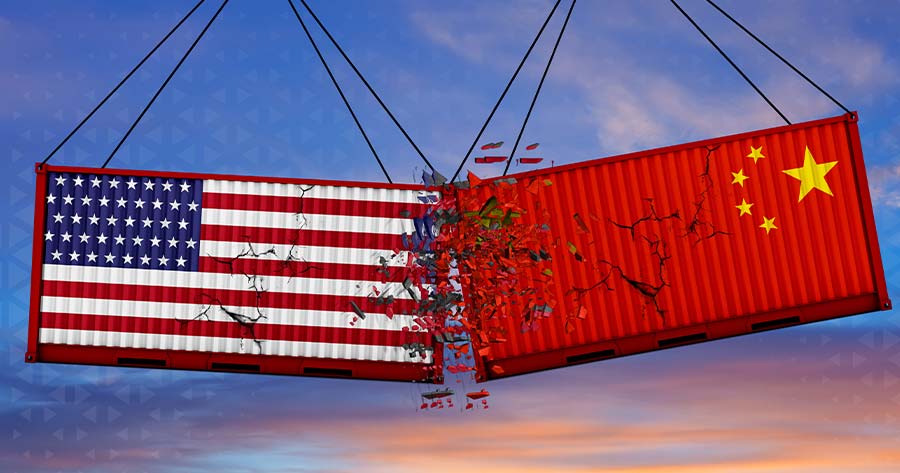
Before 2017 Australia would send waste to China for processing, sending 6,19,000 tons of recycling waste to China every year. But then China decided to tighten the restrictions on accepting foreign waste. The new standards effectively banned all Australian paper, plastics and textiles because of their high contamination rate.
EY underlines the need for Australia to view waste as a valuable resource and for households to take a more diligent approach to sorting. As of now there is a lack of confidence currently among households with the country’s recycling methods. Consumers need to see waste as a tradable asset, a commodity with a market value and the first step in changing consumer behavior is restoring their belief that what they are putting in the recycling bin is actually being recycled. Restoring the customer’s faith in the broken recycling system would be the first step toward creating a viable circular economy and finding a solution to the recycling crisis in Australia.

- 1
- 2
- 3
- 4
- 5
- 6
- 7
- 8
- 9
- 10
Vietnam wins, India slips as US apparel sourcing undergoes massive reset
A trade realignment is transforming the global apparel market, yet India’s manufacturing has stalled at the starting line. Newly released... Read more
US clothing prices rise faster than inflation, reshaping fashion retail strategy
After nearly two years of heavy discounting, inventory liquidation, and margin decline, apparel prices in the US are now rising... Read more
From gym to boardroom performance fabrics are redefining apparel demand
The global apparel industry has entered a new phase of evolution as the distinction between sportswear and everyday fashion continues... Read more
Digital Dominance Redefined: Zara moves past H&M in $100 bn fast fashion bat…
The global fast-fashion sector has reached a inflection point in 2026 where the battleground is no longer only store shelves... Read more
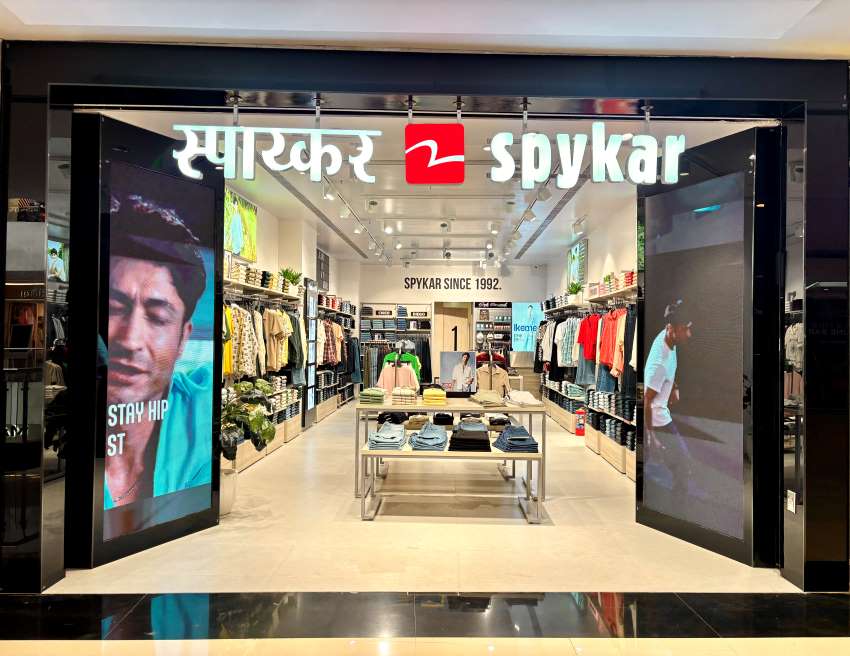
Spykar accelerates offline expansion: plans 100 new stores across India
A titan of the Indian denim-first fashion scene, Spykar has officially unveiled an aggressive retail growth strategy. As consumer demand... Read more
The Inventory Illusion: Rethinking the Zara benchmark in a volatile retail era
For over a decade, the global fashion industry has treated the Zara playbook as the gold standard of inventory efficiency.... Read more
Retail Without Retail: How Walmart’s depot network is turning space into logisti…
Walmart is fundamentally rewriting the commercial real estate and retail logistics playbook with the rise of its ‘Walmart Depots’ a... Read more
Global textile regulation tightens, forcing realignment across fashion supply ch…
Global fashion and consumer goods supply chains are entering a decisive regulatory transition as Extended Producer Responsibility (EPR) frameworks for... Read more
Luxury’s new power axis, US dominance, China reset, Gulf surge
As the post-China luxury order takes shape, the US is emerging as the industry’s most dependable growth engine, while Japan,... Read more
India’s $9 Billion Landfill Blind Spot How trashed clothes hold the key to globa…
A massive economic windfall is sitting uncollected in India’s landfills, and the key to unlocking it lies in rethinking how... Read more