The African Continental Free Trade Area, which took effect in May, is expected to boost economic growth in the continent by cutting tariffs among member states. Lower costs for trade means more trade, which boosts demand, sales and jobs. Demand from a stronger textile industry helps cotton farmers and also helps other businesses expand and develop.
Sub-Saharan Africa’s apparel and footwear market is already worth $31 billion. Sizable growth in the sector is expected over the next decade. The next decade could see the continent become a substantial player in global sourcing. Betting on growth, Kenya revived and equipped its biggest textile factory, Rivatex, in June, hoping to create 9,000 jobs at the facility.
However, the continent’s industries have to improve if they are to grab a share of the growing fashion and textile market. Africa has to have its own industrial capacity to be able to take advantage of a $3.3 trillion market with the African Continental Free Trade Area, so Africa has to industrialize. Industrialization is critical. It is not just about moving raw materials. It is value-added products. Boosting the textile industry is one step toward connecting 1.3 billion people across 54 nations and heating up commerce across the continent.





Trade agreement enthuses Africa
- 1
- 2
- 3
- 4
- 5
- 6
- 7
- 8
- 9
- 10
Brick-and-Mortar Strikes Back: How ‘Phygital Integration’ is beating ‘Pure-Play …
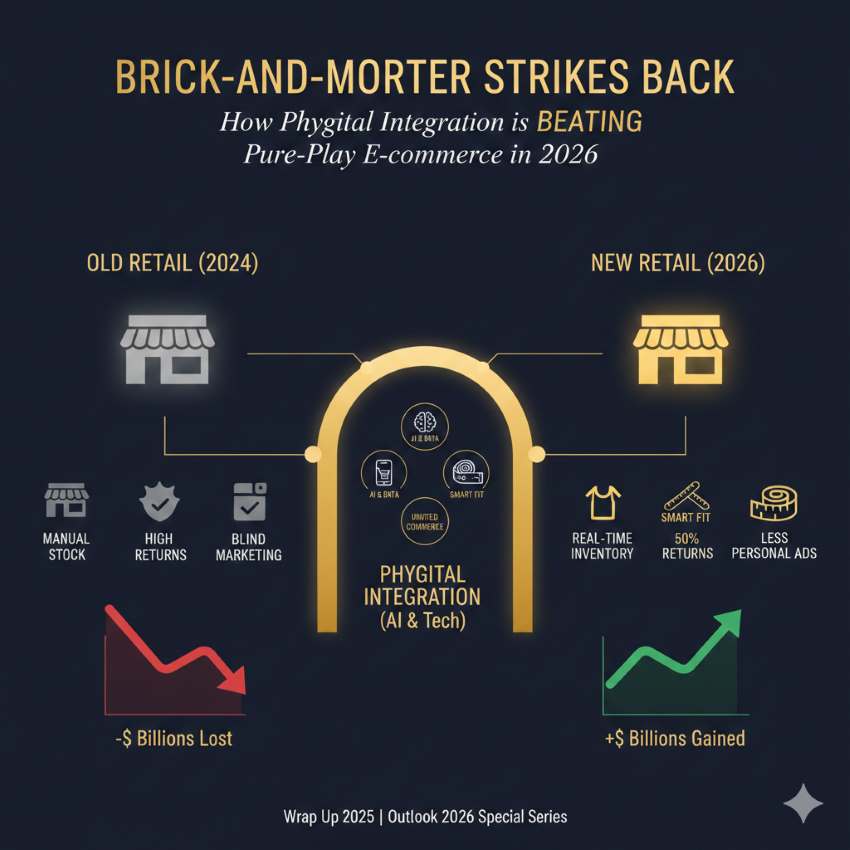
This feature marks the final installment of our special series, Wrap Up 2025 | Outlook 2026, exploring the tectonic shifts... Read more
The 2026 Apparel Business Blueprint: Moving from traditional mass production to …
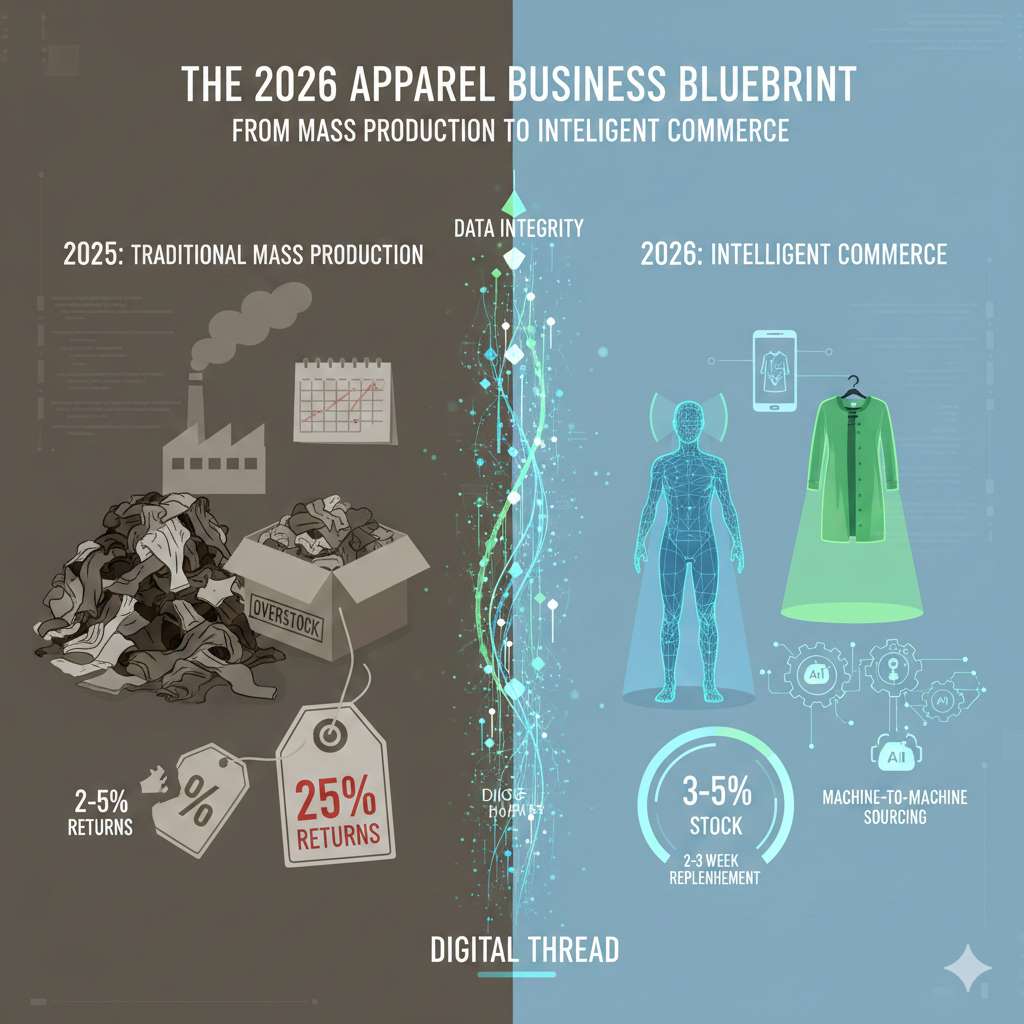
This feature is part of our dedicated series, "Wrap Up 2025 | Outlook 2026," investigating the structural shifts defining the... Read more
The 2026 Global Textile Segments Outlook: From volume commodities to value-drive…
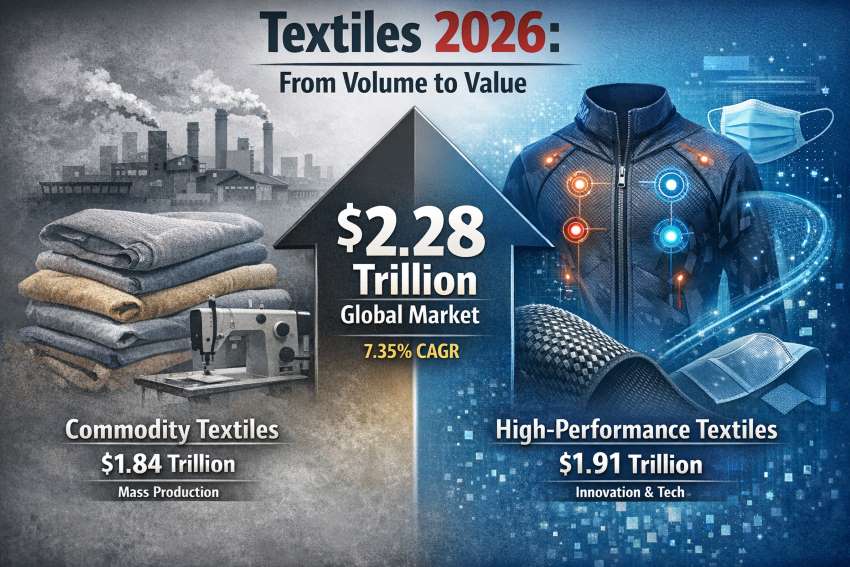
This report is the eighth installment of the "Wrap Up 2025, Outlook 2026" series, providing a definitive roadmap for the... Read more
The Great Fabric Bifurcation: Why 2026 is the year of ‘Brut’ authenticity and ‘H…
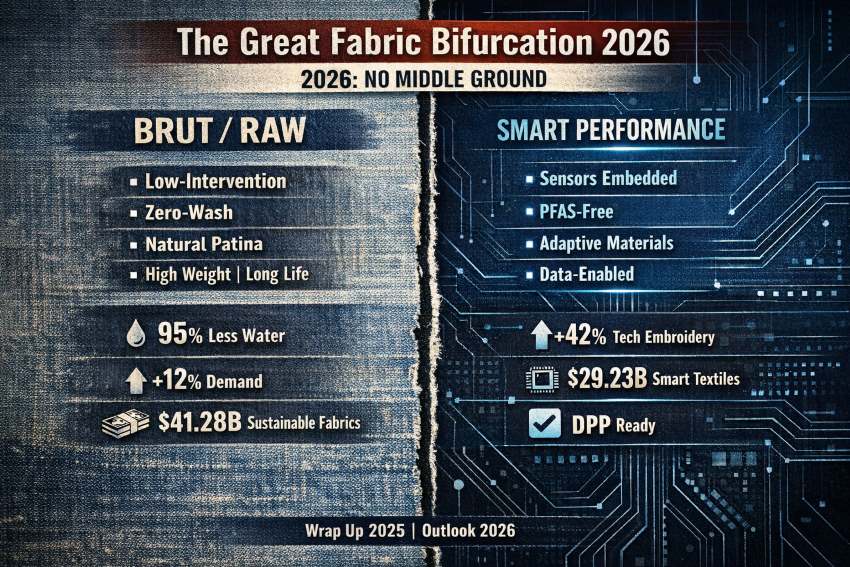
As part of our definitive annual series, "Wrap Up 2025, Outlook 2026," we examine how the textile and apparel sector... Read more
The Recycling Mandate: Converting textile waste into high-value feedstock for 20…

As we present this feature as part of our year-end series, 'Wrap Up 2025, Outlook 2026', and as the apparel... Read more
From Smart Factory to Smart Business: How AI in 2026 is transforming T&A fac…

The next feature, we present as part of our year-end series, 'Wrap Up 2025, Outlook 2026', as the global textile... Read more
Paperless or Powerless: Regulations as the new 'Digital Non-Tariff Barrier' defi…
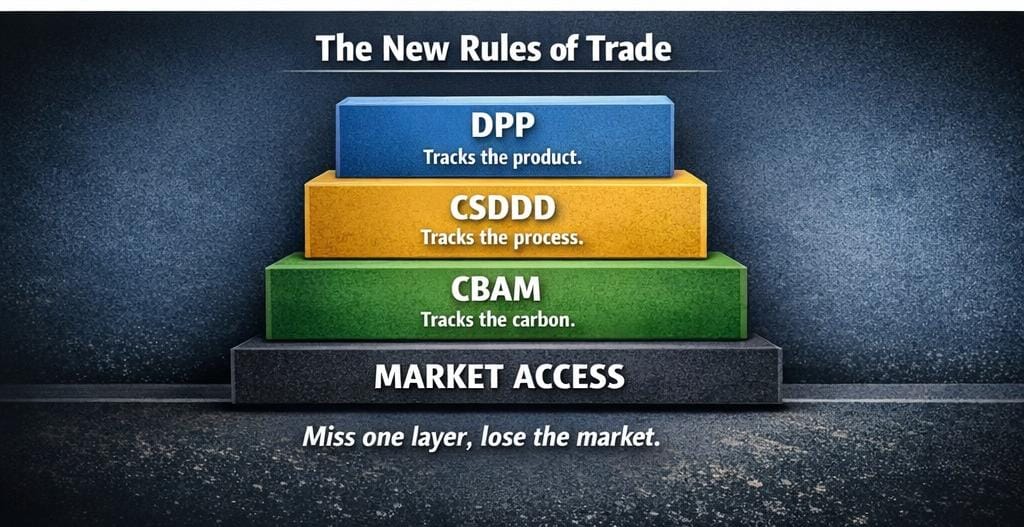
As we present this feature as part of our year-end series, 'Wrap Up 2025, Outlook 2026', the global textile and... Read more
The Circular Yield Why 2026 is the year sustainability paid the dividend
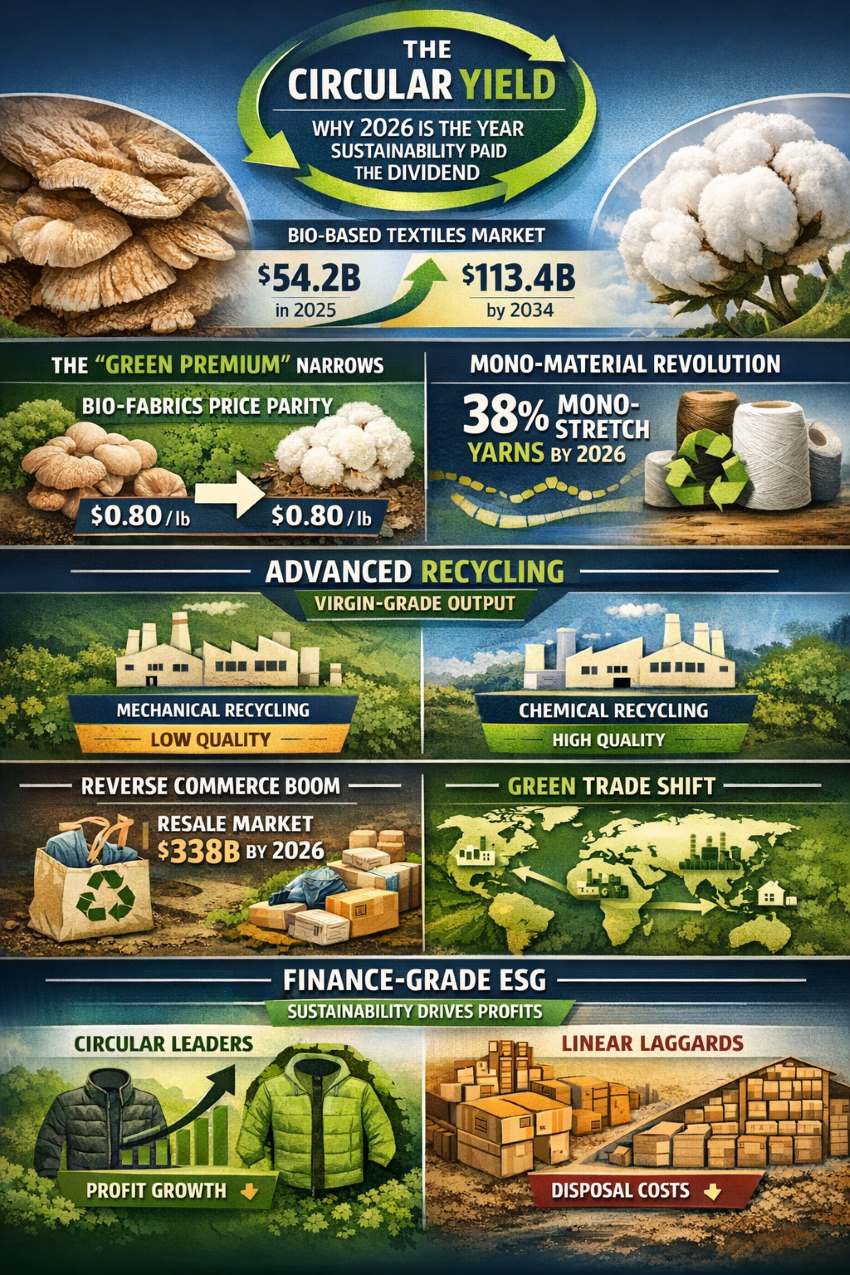
As the global textile industry moves through the final quarter of the year, this feature serves as a cornerstone of... Read more
The Great Decoupling: The global play and regional and country trade outlook
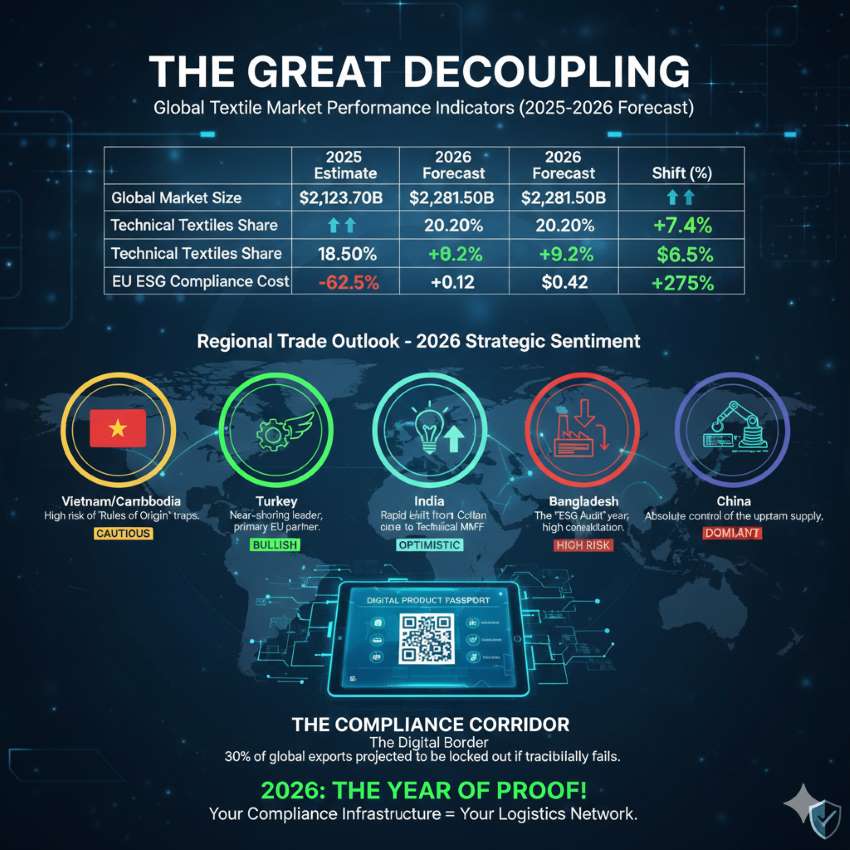
This feature marks the second article in our exclusive series, "Wrap Up 2025 | Outlook 2026," where we dissect the... Read more
The Global Trade Landscape- Sourcing Reset, Resilience, Revolution: Macro driver…

The Great Pull-Forward: A 2025 retrospective The global textile and apparel industry spent much of 2025 in a state of hyper-vigilance.... Read more

