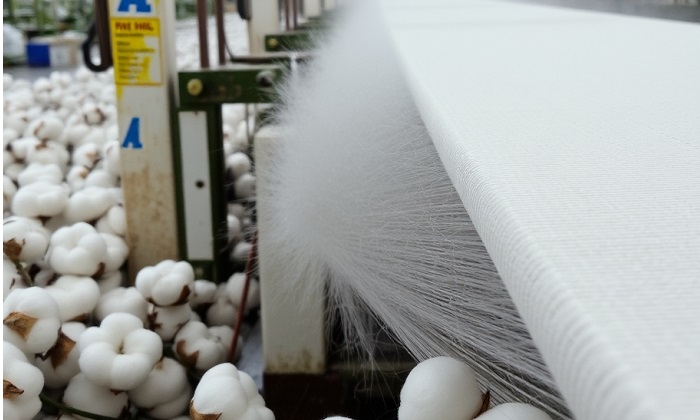
Already a major economic engine, India’s textile and apparel (T&A) market is poised for significant expansion over the next decade. A new report from IMARC Group notes, valued at $222.08 billion in 2024, the market is projected to grow to $646.96 billion by 2033, reflecting a strong CAGR of 11.98 per cent from 2025-33.
India's textile sector is currently at a critical transformation point, blending its deep heritage in cotton, silk, and artisanal craftsmanship with cutting-edge modern textile mills and brand-driven fashion ecosystems
Growth is being fueled by a confluence of strong market drivers including rising disposable incomes, increasingly brand-conscious consumers, and the expansion of both domestic and international retail channels are boosting demand for ready-to-wear, athleisure, and premium garments. There is also a notable shift toward high-end fashion and smart textiles.
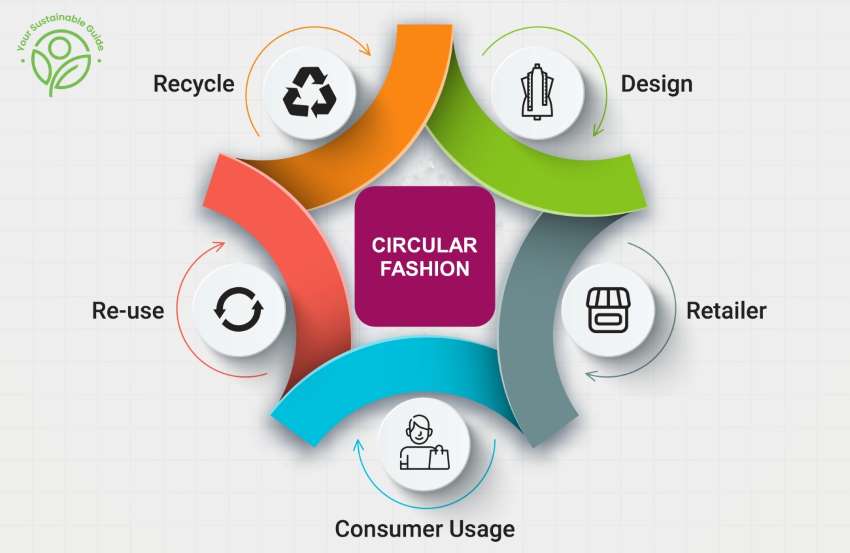
Environmental awareness is driving market changes, with demand for ethical and environmentally sustainable materials, recycled fibers, plant-based fabrics, and circular textile models growing across the entire fashion value chain.
Key initiatives, including the PM MITRA textile parks, Production Linked Incentive (PLI) schemes for man-made fibers, and digital support for weaver clusters, are accelerating modernization efforts and improving the country's export competitiveness.
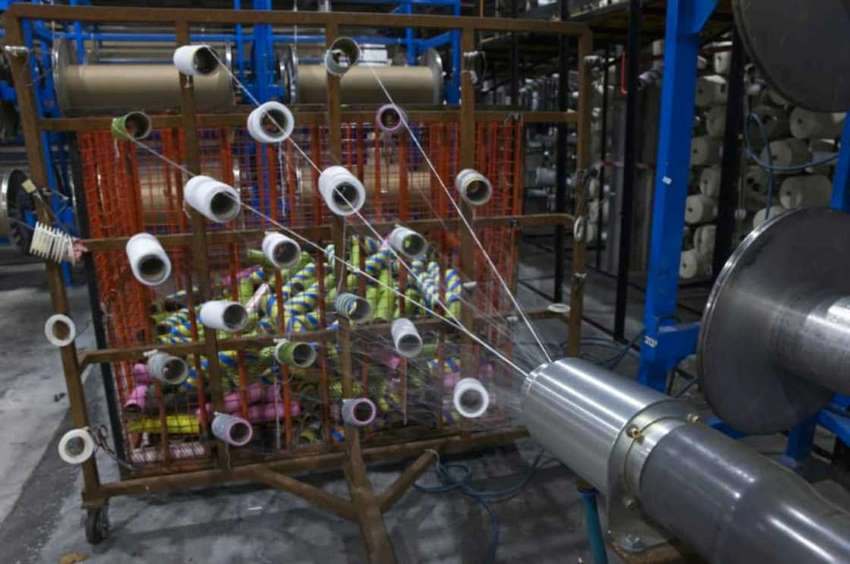
Investments in technological improvements across spinning, finishing, dyeing, and digital printing are enhancing both product quality and overall production efficiency.
While India’s traditional strengths, such as skilled labor and abundant natural fiber availability, remain essential, the IMARC report highlights, future success lies in design innovation, establishing leadership in sustainability, and adopting vertically integrated manufacturing models. For brands to capture higher-margin opportunities, they must invest heavily in supply chain transparency, digital retailing, and compliance with strict export-market standards. Meanwhile, supporting artisan communities and MSMEs will be vital to preserving India's unique craft identity in the global market.