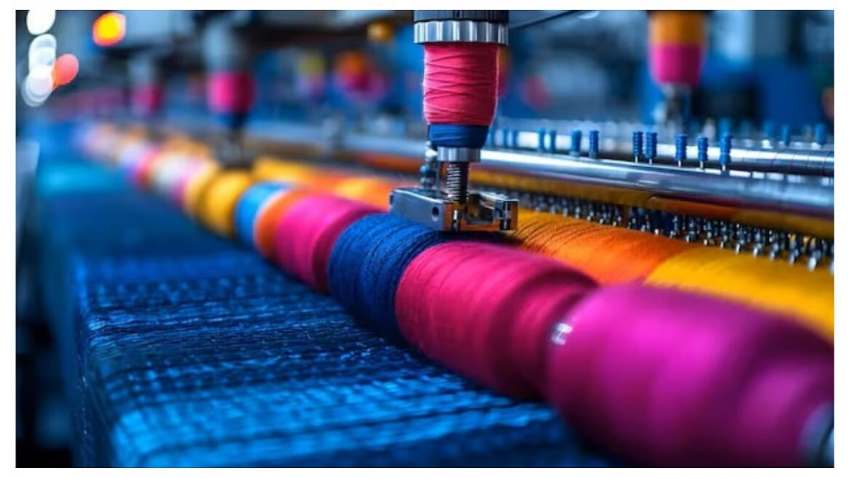
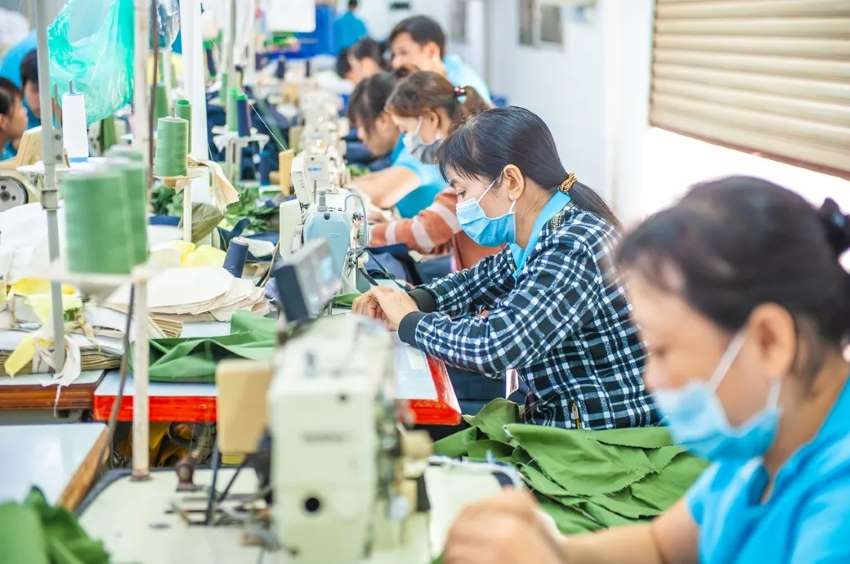
The 58th edition of Texworld Apparel Sourcing Paris has concluded with a decisive shift toward high-tech, traceable manufacturing, as the global textile and apparel market climbs toward a projected $2.36 trillion valuation in 2026. Hosting over 1,300 exhibitors from 35 countries, the event highlighted a critical transition: sustainability is no longer a marketing ‘add-on’ but a baseline requirement for European market entry.
With the Econogy Tour and Econogy Finder tools, Messe Frankfurt has institutionalized traceability, allowing buyers to verify circularity metrics in real-time. This structural change addresses the European Green Deal’s upcoming material passport mandates, ensuring that the 11,000+ professional visitors can secure reliable partners in an increasingly regulated landscape.
Diversification and high-performance segments
As brands navigate rising raw material costs and a 4.2 per cent CAGR in the clothing textiles segment, sourcing strategies are diversifying beyond traditional hubs. While China and Turkey maintain dominance, the 2026 showcase saw a surge in high-value participation from India and South Korea, particularly in the ELITE sector. Notable additions like OCM India and Reliance indicate a move toward premium menswear and technical fabrics. The integration of the Avantex Fashion Pitch winner, GoldenEye Smart Vision, further underscored the industry's reliance on AI-driven quality control to reduce waste. According to industry analysts, this "smarter" layout, which bridges the gap between raw fibers and finished garments, is essential for a retail sector where e-commerce is expected to grow by 21.5 per cent this year.
Europe’s premier fashion and textile sourcing platform
Texworld Paris is Europe’s premier sourcing platform for the global textile and fashion industry. Managed by Messe Frankfurt, it connects international manufacturers—primarily from Asia and Eastern Europe—with high-volume buyers and luxury labels. The fair focuses on diverse categories including cotton, denim, functional fabrics, and trims, aiming for 15 per cent annual growth in sustainable exhibitor participation to align with global ESG standards.