Following its 43rd AGM on June 20, 2026, the Bangladesh Garment Manufacturers and Exporters Association (BGMEA) has signaled a shift in strategy, emphasizing fiscal incentives alone are insufficient to secure the sector’s future. Instead, the newly approved roadmap for the FY25-26 prioritizes technological modernization, aggressive energy efficiency initiatives, and the transition toward high-value manufacturing. Mahmud Hasan Khan, President, highlighted, the industry is moving past a growth-centric phase into a period of ‘holistic development,’ where production transparency and operational agility will determine market survival.
Addressing the compliance and energy imperative
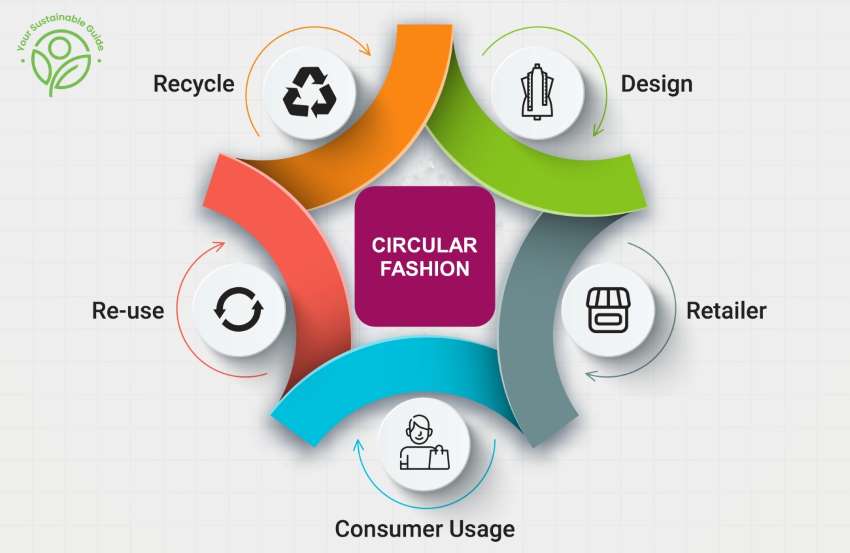
A central pillar of the BGMEA’s current agenda is the rapid integration of green manufacturing standards to meet increasingly stringent EU market requirements, including supply chain due diligence and decarbonization. To this end, the association has operationalized a landmark partnership with the German agency GIZ, focusing on circularity and digital supply chain traceability. This collaborative effort aims to mitigate the rising costs of raw material procurement and the persistent energy crisis that has hampered output capacity throughout early 2026. As Bangladesh approaches its graduation from the Least Developed Country (LDC) category, the BGMEA is lobbying for sustained state support to reduce business costs, particularly regarding port procedures and the availability of affordable, reliable electricity, which remain the primary barriers to reclaiming lost market share in the activewear and synthetic fiber segments.
Backbone of the national economy
The Bangladesh ready-made garment (RMG) sector serves as the backbone of the national economy, contributing over 84 per cent of total export earnings. Comprising thousands of manufacturing units, the industry is currently transitioning from low-cost, volume-based production toward high-value, sustainable apparel, supported by institutional modernization and international strategic partnerships.