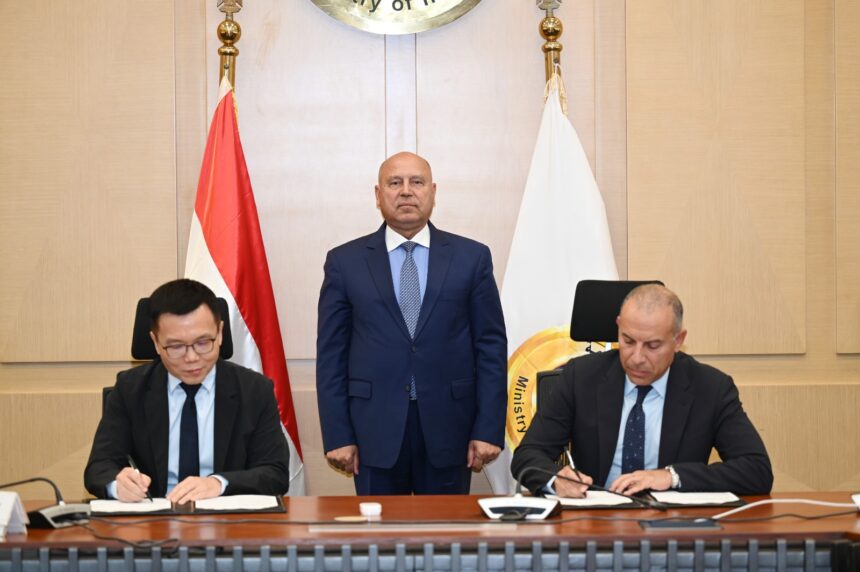
Pakistan will sign a Free Trade Agreement (FTA) with Thailand in January.This aims at enhancing bilateral trade between the two countries.
Matters that have been discussed relate to trade in goods, rules of origin, technical barriers to trade, trade remedies, customs procedures, legal and institutional issues and trade facilitation.
Pakistan has relative advantages over Thailand in some 684 commodities including cotton yarn and woven textiles, readymade garments, leather products, surgical instruments and sports goods.
The ninth round of FTA negotiations would start between Pakistan and Thailand by November this year, in which both sides would presenting the complete offer list for reaching the final agreement.
The trade volume between Pakistan and Thailand stood at 952 million dollars at the end of 2015-16. Pakistan’s exports constitute107 million dollars while imports amount to 845 million dollars.
While negotiating a free trade agreement with Thailand, Pakistan is also looking to access a huge untapped market in the east Asian region. Pakistan already has free trade agreements with Malaysia and Indonesia.
Pakistan is working on a FTA with China. China has agreed to provide market access to 65 items, shared by Pakistan, besides providing concessions on all items included in the offer list.
- 1
- 2
- 3
- 4
- 5
- 6
- 7
- 8
- 9
- 10
Beyond the DTC Rush: Levi’s hybrid channel strategy sets a new retail benchmark
The global apparel sector is entering a phase where channel strategy is no longer a tactical lever but a core... Read more
The New Rules of Resale: EPR turning secondhand into fashion’s strategic growth …
The global fashion industry is facing a decisive regulatory and commercial reset. What began as a sustainability narrative around reuse... Read more
The 2027 Mandate: Why denim’s future hinges on verifiable data
For decades, the global denim industry has relied on a narrative of durability, heritage, and authenticity. That narrative is now... Read more
Europe’s textile core unravels as costs, imports and policy pressure bite
Europe’s textile and apparel sector, long seen as a benchmark for craftsmanship and industrial depth, is slipping into a prolonged... Read more
Automation, innovation, regulation are the forces shaping textiles in 2026
The global textile sector has entered a new era. Early 2026 saw the industry breach a $1.06 trillion valuation, reflecting... Read more
The new Brussels rulebook, every EU apparel order is now a balance-sheet risk
The humble export order sheet is undergoing a transformation. What was once a straightforward commercial instrument: SKU, volume, FOB price,... Read more
Why 2026-27 could be a defining cotton year for India’s farm-to-fashion economy
The global cotton economy is entering a more constrained phase, and for India, the implications run far beyond the farm... Read more
Luxury resale’s next big battle is no longer digital, it is about who controls s…
For nearly a decade, the luxury resale story was written in the language of platforms. Market leadership was measured by... Read more
Digital Arms Race: Indian apparel giants deploy AI to neutralize tariff crisis
The Indian textile and apparel sector is in a digital survival phase in 2026, shifting from traditional labor-intensive models to... Read more
Europe’s Textile Endgame: Why Project FAE is becoming fashion’s most critical in…
Europe’s apparel majors are no longer treating circularity as a branding layer. With Project FAE or Feedstock Activation Europe, the... Read more