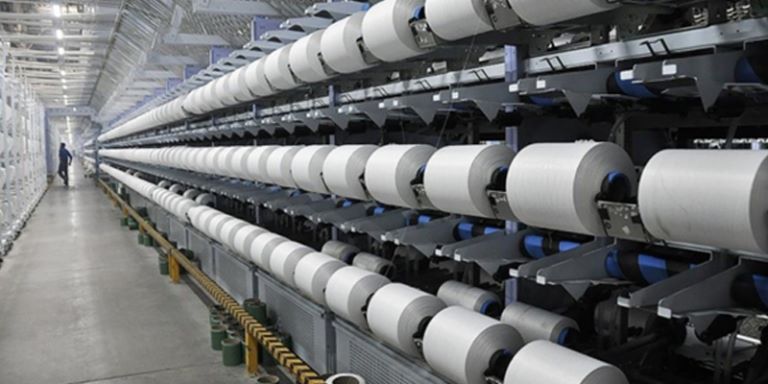
In 2018, export earnings of Myanmar’s garment sector touched nearly $4.6 billion dollars. And by 2024, total export earnings are expected to reach $20 billion. While the garment sector has seen a five-fold increase in the number of workers their income has increased tenfold. There are 356 garment factories in the country. The garment industry has been on an upward trend. In 2022, export earnings from the garment industry are projected to reach eight to ten billion dollars. The industry is expected to create 1.5 million jobs. Most of workers will be female.
Myanmar exports items from seven major commodity groups. These include: manufactured goods consisting mainly of garments as well as agriculture produce, minerals, cattle, fisheries and forestry products. Myanmar’s major import items are divided into four groups — capital goods, intermediate goods, consumer goods and cut-make-pack garment products. The higher volume of exports reflects the government’s efforts to reduce the trade deficit by screening luxury imports, encouraging import substitutes and boosting exports. They also come at a time when foreign direct investments into the country have eased over the past year. Myanmar’s current account deficit, which includes the trade deficit, is financed mainly by foreign direct investments into the country.

- 1
- 2
- 3
- 4
- 5
- 6
- 7
- 8
- 9
- 10
Click-and-Collect: Why retailers are turning pickup counters into sales machines
Modern retail has changed the role of the physical store. Once viewed primarily as a point of sale or inventory... Read more
Why fashion e-commerce returns persist despite smarter sizing technology
For over a decade, the fashion sector has invested heavily in virtual fitting rooms, AI-powered size recommendations, and 3D body... Read more
A Quest for Essence: Unveiling the 2027 A/W Trends at Intertextile Shanghai Appa…
As the global textile industry looks toward the upcoming season, the Intertextile Shanghai Apparel Fabrics – Autumn Edition stands ready... Read more
Beyond globalization, local consumer behavior rewriting fashion retail strategy
The traditional blueprint for global fashion expansion is being rewritten. For decades, apparel companies assumed globalization would gradually create a... Read more
Virtual wardrobes redraw retail boundaries as gaming platforms become fashion ec…
The boundary between physical clothing and digital apparel is rapidly eroding as gaming environments evolve into fully functioning consumer markets.... Read more
From Estimates to Audits: Virgin PET data disrupts global synthetic fiber econom…
The global textile industry is recalibrating how environmental impact is measured, priced, and regulated. While polyester continues to dominate global... Read more
Retail’s new growth map in China, rise of premium wealth, senior spending
For decades, global fashion and retail companies built their China strategies around the rapid expansion of an aspirational middle class... Read more
Post-peak correction global cotton markets adjust amid shifting fundamentals
Following a period of aggressive increase, global cotton benchmarks have entered a cooling phase. The bullish momentum that propelled prices... Read more
From Runway Blueprint to Retail Rack: How Milano’s ‘Ready to Show’ shapes global…
As the fashion elite prepare their calendars for the Spring/Summer 2027 runway shows, an equally vital, multi-billion-dollar machinery is quietly... Read more
Natural fibers gain ground as microplastic awareness alters apparel demand
The global apparel industry is entering a new phase of disruption as consumer concern over microplastic pollution begins to materially... Read more