The global textile industry is recalibrating how environmental impact is measured, priced, and regulated. While polyester continues to dominate global fiber production at roughly 60 per cent, the underlying data used to assess its environmental cost has long relied on generalized global averages that mask significant regional variation. That gap has now been sharply narrowed.
A 306-page Life Cycle Assessment (LCA) report released by Textile Exchange, in collaboration with SCS Consulting Services, gives the first publicly available, primary-source dataset for virgin polyethylene terephthalate (PET) chip, melt, and staple fiber production in Southeast Asia. Given that the region supplies over half of global virgin synthetic fiber output, the findings effectively reset the baseline for carbon accounting in fashion supply chains.
Mapping the synthetic chain
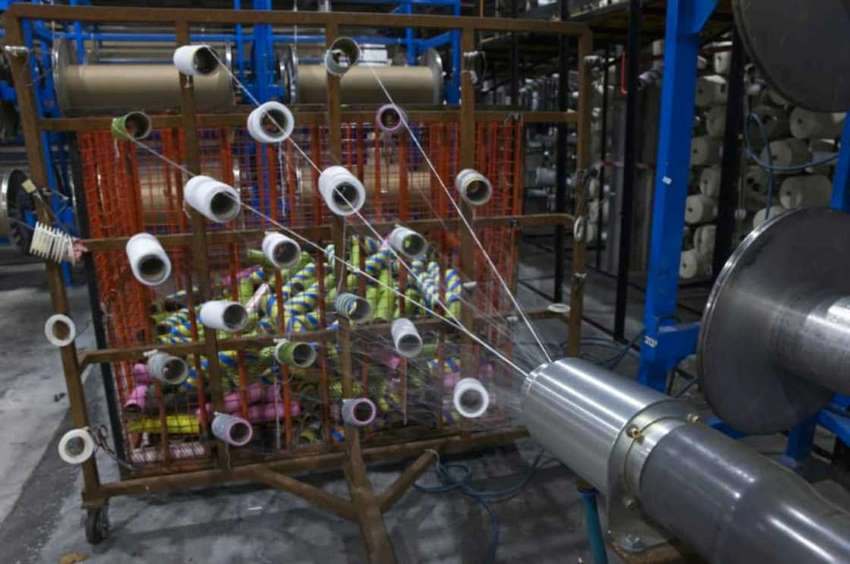
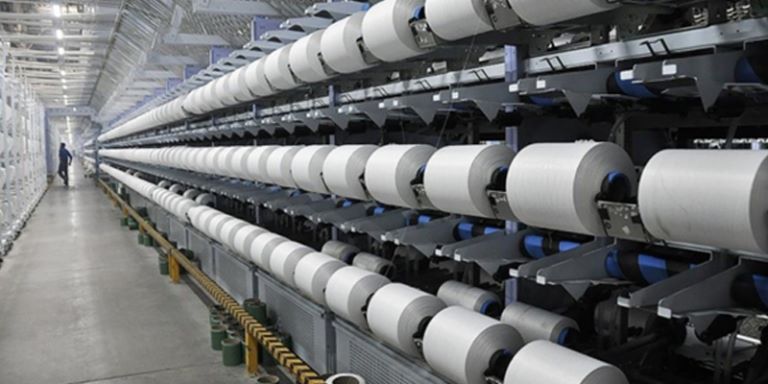
The report breaks polyester production into three sequential, energy-heavy transformation stages. Each stage increases emissions as fossil-fuel-based electricity grids in manufacturing hubs intensify conversion losses.
Table: Localized manufacturing footprint (per kg output)
|
Material phase / process |
Global warming potential (kg CO₂ eq/kg) |
Primary energy demand (MJ / kg) |
Blue water consumption (L/ kg) |
Particulate matter emissions (disease incidence × 10⁻⁸) |
|
Virgin PET Chip |
2.15 |
68.4 |
14.2 |
4.12 |
|
PET Melt Stage |
2.38 |
74.1 |
16.5 |
4.89 |
|
PET Staple Fiber |
2.62 |
82.3 |
19.8 |
5.67 |
The progression reveals a 22 per cent rise in carbon intensity from raw PET chips to finished staple fiber. This increase is not marginal; it reflects the thermodynamic reality of polymer melting, extrusion, and texturization processes that require sustained high-temperature energy inputs.
Why fiber conversion increases emissions
The critical insight is not simply that polyester is carbon-intensive, but that emissions are structurally layered. Each refinement stage compounds energy demand, particularly in regions where electricity generation remains fossil-fuel dependent. By exposing granular operational data rather than modelled estimates, the LCA replaces theoretical benchmarks with verifiable industrial inputs, forcing a relook at how efficient modern synthetic production truly is.
Virgin vs circular systems
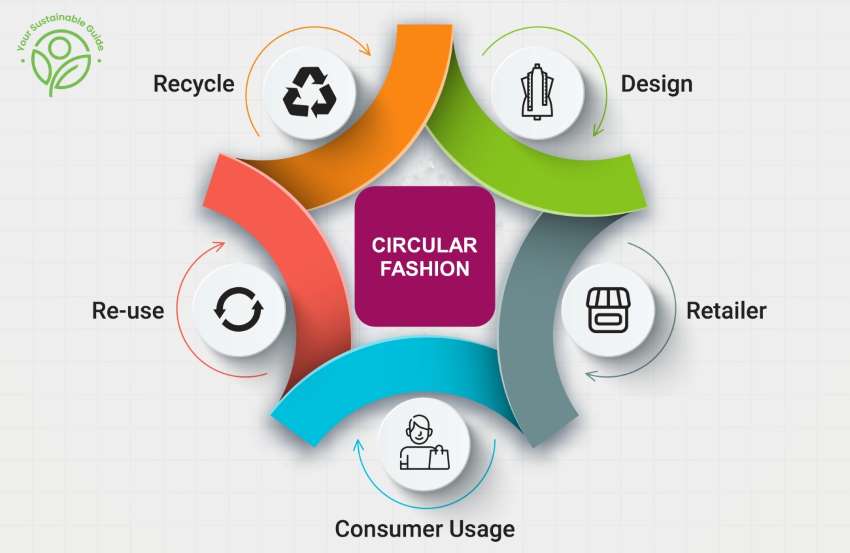
The report’s most consequential contribution is its comparative framework between virgin polyester and circular alternatives. It positions thermomechanical and chemical recycling as not just supplementary systems, but as fundamentally lower-carbon production pathways.
Carbon pathway comparison (per kg fiber)
- Virgin Polyester (SEA baseline): 2.62 kg CO₂ eq → 100% impact
→──────────────────────── baseline ────────────────────────←
- Chemical Recycling (depolymerization): 1.44 kg CO₂ eq → 55% of virgin footprint (45% savings)
- Thermomechanical Recycling: 0.76 kg CO₂ eq → 29% of virgin footprint (71% savings)
Thermomechanical recycling shows the lowest immediate emissions but suffers from feedstock limitations due to contamination and polymer degradation. Chemical recycling, while slightly more energy-intensive, enables higher material purity and broader feedstock flexibility, making it structurally more scalable for complex textile waste streams.
Supply chain pressure points
A Gujarat-based polyester exporter supplying European athletic brands experienced immediate revaluation after auditors applied the new Southeast Asia dataset. Its previously reported emissions baseline of 1.90 kg CO₂ eq/kg jumped 38 per cent when recalculated under the new framework.
Under tightening regulatory regimes such as the EU Corporate Sustainability Due Diligence Directive (CSDDD), this triggered pressure. The exporter was compelled to invest in on-site renewable energy infrastructure, including a 12-megawatt solar installation, to stabilize compliance exposure.
Green claims under audit pressure
A multinational activewear brand marketing eco-optimized synthetics faced reputational and legal risk when environmental advocates used the dataset to challenge its sustainability claims. The findings demonstrated that mill efficiency improvements cannot offset upstream petrochemical emissions embedded in virgin PET production. The result was a shift: the company withdrew eco-synthetic claims and committed to phasing out virgin PET staple fibers in favor of chemically recycled inputs across its sourcing portfolio.
Environmental stress beyond carbon accounting
The dataset also expands impact analysis beyond emissions to include broader ecological stress indicators tied to polyester manufacturing.
Table: Cradle-to-gate eco-indicators (per kg fiber)
|
Indicator |
Value |
Relative stress |
|
Fossil Fuel Depletion |
82.3 MJ |
100% |
|
Freshwater Ecotoxicity |
18.4 CTUe |
74% |
|
Terrestrial Acidification |
0.012 kg SO₂ eq |
41% |
High fossil energy demand reinforces dependence on carbon-intensive grids, while freshwater toxicity reflects chemical discharge risks. The acidification metric highlights localized environmental degradation through sulfur and nitrogen emissions, often concentrated in industrial textile corridors.
The overlooked dimension
Beyond environmental factors, the report introduces a combined social-risk overlay integrating labor conditions, community exposure, and human rights vulnerability into material assessment frameworks. This marks a significant shift: sustainability is no longer defined solely by carbon or water intensity but by the full socio-environmental integrity of the production chain. As regulatory regimes tighten globally, particularly in Western markets, materials that fail to meet integrated benchmarks risk exclusion from compliance-driven supply networks.
Thus the Textile Exchange-SCS dataset is more than an update to emissions factors; it establishes a new accounting regime for synthetic textiles. By grounding polyester’s footprint in audited, region-specific data, it exposes the structural underestimation embedded in legacy global averages.
For manufacturers, exporters, and global apparel brands, the implication is direct: efficiency claims must now withstand granular verification, not statistical approximation. In this emerging framework, competitive advantage will depend not only on production scale but on demonstrable transparency across every stage of the polyester lifecycle.